10 most fragrant flowers to put in a Bali bedroom
Discover the 10 most fragrant flowers that thrive in Bali's tropical climate and will fill your bedroom with natural scent every day of the week.
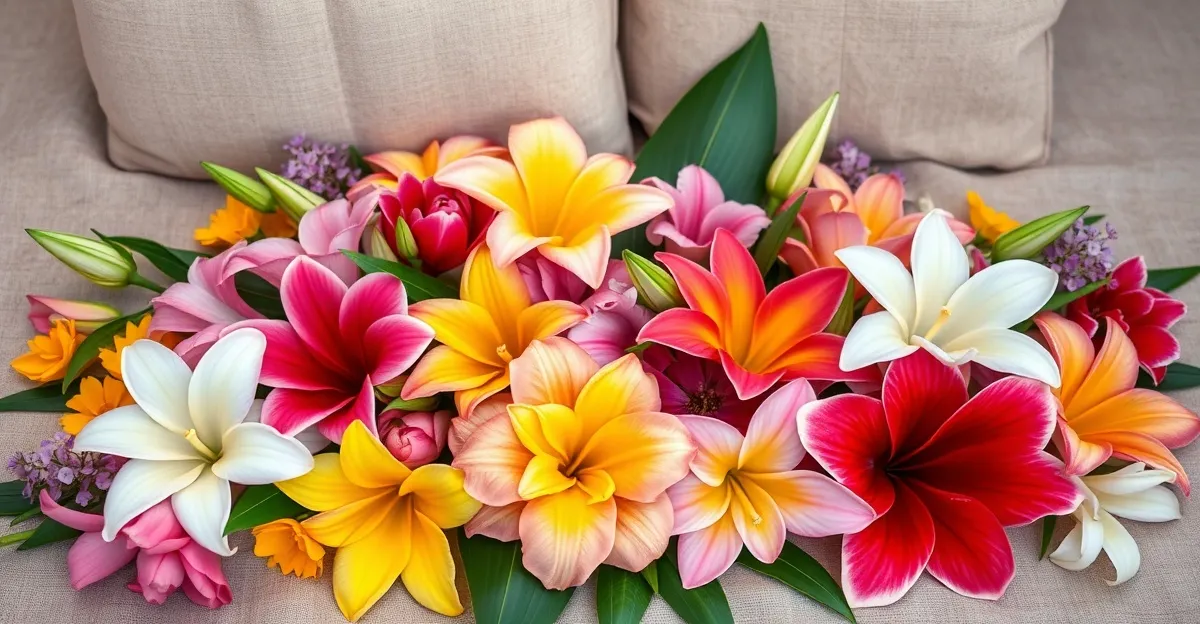
Waking up to natural floral scent is one of the small pleasures that makes life in Bali feel particularly good. Walk past any family compound in the morning — through Ubud's rice terraces, along the backstreets of Sanur, or near the temples of Mengwi — and the air carries something layered and sweet. That scent comes from flowers placed deliberately: on shrines, over doorways, at the base of trees. Bringing that sensibility into your bedroom is straightforward once you know which flowers to choose.
In a tropical climate, fragrance delivery works differently than in temperate places. Warmth and humidity amplify volatile aromatic compounds — so a single stem can fill a room in ways a cooler environment would not allow. That is the advantage. The challenge is that many flowers also fade faster in the heat, so choosing varieties with genuine staying power matters.
Here are the ten most fragrant flowers worth putting in a Bali bedroom, ordered roughly from most universally available to more specialist finds.
1. Frangipani (Plumeria / Jepun)
Bali's most iconic flower is also its most fragrant bedroom flower. The white-and-yellow variety (Plumeria alba and P. acutifolia) has a sweet, slightly waxy scent that is distinctly Balinese — found everywhere from hotel lobbies to morning offerings. Individual blooms last 3–5 days in a shallow dish of water; the tree itself blooms constantly through the dry season (April–October).
Place three or four fallen blooms in a ceramic or terracotta dish on your bedside table. No vase, no water needed — frangipani blooms naturally last longer dry than submerged. The scent is strongest in the evening and early morning.
2. Tuberose (Polyanthes tuberosa / Sedap Malam)
The name in Indonesian is sedap malam — "pleasant at night" — and the name earns itself. Tuberose is the flower used in many of the world's most famous perfumes: Chanel No. 5, Fracas, Carnal Flower. In Bali, it grows easily and is sold in long wand-like stems at markets including Pasar Badung in Denpasar and the Ubud market.
A single stem placed in a tall vase near an open window will flood a bedroom with dense, heady scent. It intensifies after dark. One warning: some people find tuberose overwhelming in an enclosed space — start with a single stem and gauge your comfort level before adding more.
3. Jasmine (Melati)
Small, unassuming, and extraordinarily fragrant, jasmine flowers are used throughout Bali in offerings, hair adornments, and decorative garlands. The Jasminum sambac variety (common jasmine / melati putih) has a clean, sweet scent that is not as heavy as tuberose but is pleasantly persistent.
Jasmine cut stems last about 2 days at room temperature in Bali's heat, but the flowers continue to open and release fragrance for their full bloom period. A small bunch in a glass of water beside your bed gives you 48 hours of natural scent.
4. Gardenia (Gardenia jasminoides / Kaca Piring)
Gardenia has a rich, creamy floral scent that is often described as one of the most beautiful in the plant world. In Bali, gardenia plants are common in villa gardens and temple grounds, particularly in the cooler areas around Ubud and Tabanan. The single white blooms are large and last 3–4 days when cut.
Gardenias bruise easily — handle the petals as little as possible and keep them away from direct air conditioning drafts, which brown them quickly. Place in a spot with good ambient air but no strong directed airflow.
5. Ylang Ylang (Cananga odorata / Kenanga)
Ylang ylang trees grow widely across Bali and produce distinctive star-shaped yellow-green flowers with a deep, exotic scent — part floral, part slightly spicy, part fruity. The oil is used extensively in perfumery and aromatherapy. In Bali, kenanga flowers appear frequently in religious ceremonies and in hair adornments.
Fresh ylang ylang cut flowers are not always available at mainstream florists, but you can find the flowers if you know anyone with a kenanga tree — and many people do. Alternatively, kenanga essential oil is widely available and can be used in a diffuser if fresh blooms are not accessible.
6. Champak / Magnolia Champaca (Cempaka)
Cempaka is one of the most spiritually significant flowers in Bali, used extensively in temple offerings. The small orange or white flowers have a rich, honeyed fragrance that is sometimes likened to a combination of orange blossom and jasmine. Cempaka trees are common in temple grounds across Bali — you will often smell them before you see them.
Fresh cempaka flowers are sold at flower markets and some temple-adjacent roadside stalls. They last 1–2 days but the scent intensity in that time is remarkable. A small handful placed in a bowl with a little water is the traditional presentation.
7. Lotus (Nelumbo nucifera / Teratai)
Lotus has a delicate, cool, slightly watery fragrance — lighter than most flowers on this list, but distinctive and calming. In Bali, lotus holds profound religious significance in Balinese Hinduism, representing purity and spiritual awakening. The pink and white varieties both bloom and carry light scent, though it is subtle compared to frangipani or tuberose.
Fresh lotus flowers last one day cut, opening fully in the morning and closing at night. For a bedroom, cut a stem in late morning when it is fully open and enjoy the fragrance through the afternoon. Learn more about lotus in Balinese Hinduism: meaning and ritual use if you want to understand the full depth of this flower's cultural significance here.
8. Ginger Lily (Hedychium coronarium / Kantan)
Ginger lily is native to Southeast Asia and grows readily in Bali's wet areas — along irrigation channels, in garden borders, and around rice fields. The white flowers have a sweet, slightly spicy, fresh scent that is different from any of the previous flowers — green and alive in a way that is distinctly tropical.
Ginger lily cut stems last 4–5 days if kept well-watered. Because the scent is lighter than tuberose or gardenia, it layers nicely in a room that already has other fragrances — or it works well as the solo flower if you prefer something subtler.
9. Night-Blooming Jasmine (Cestrum nocturnum / Melati Malam)
Sometimes called queen of the night, Cestrum nocturnum is not technically a jasmine but carries a powerful sweet fragrance that appears specifically at night — the plant is effectively unscented during the day. In Bali, it grows as a garden shrub and is sometimes planted near sleeping quarters or around villas specifically for its nocturnal scent.
If your villa or home has one of these shrubs, cutting a few stems for the bedroom is genuinely extraordinary — the fragrance that appears after dark can fill the room completely. For some people it is too intense; for others, it is the most beautiful thing they have ever smelled in a bedroom.

The team
your florists
weekly subscription · Bali
We write about flowers because we love them. We deliver them because someone should — properly, weekly, across Bali.
— heyflowerPay once for 3, 6, or 12 months, no auto-renewal.
10. Rangoon Creeper (Quisqualis indica / Udani)
A climbing plant with tubular flowers that transition from white to pink to deep red as they age, Rangoon creeper has a sweet, almond-like fragrance that intensifies in the evening. It grows on garden walls and fences across Bali, particularly in lowland areas. Cut stems last 2–3 days.
The visual appeal of having a cluster of flowers in three different colours (all from the same plant at different stages) gives an added dimension beyond pure fragrance. It pairs well with other white flowers as part of a mixed bedroom arrangement.
Keeping Fragrant Flowers Fresh in Bali's Heat
The main challenge for bedroom flowers in Bali is the combination of heat and air conditioning. Cut flowers hate being directly in the path of cold AC air — it desiccates them rapidly. Place your flowers out of the direct AC flow, where the room temperature is moderated but the air is not constantly blasting cold and dry across them.
Change the water every day in the tropics — bacterial growth in warm water is the main killer of cut flowers. A small pinch of salt or a drop of bleach in the vase water slows bacterial growth. Trim stems at an angle every two days to maintain water uptake.
For related ideas on scent-forward flowers for home spaces, the guide on 6 tropical flower scents for a calming bedroom covers the aromatherapy angle in more depth.
FAQ
Is it safe to sleep with fragrant flowers in the bedroom? Yes, for most people and most flowers. Some very strongly scented flowers (tuberose, ylang ylang) may cause headaches in enclosed spaces, particularly for sensitive individuals. If you are trying a new flower, open the window slightly the first night to test your tolerance. Flowers do not produce carbon dioxide in meaningful amounts at room scale.
How often should I replace bedroom flowers? In Bali's heat, most cut flowers need replacing every 3–5 days. Frangipani placed dry can last longer. Jasmine and cempaka have shorter lives of 1–2 days. Ginger lily and rangoon creeper with fresh water can stretch to 5–7 days.
Where do I buy fragrant flowers in Bali? Pasar Badung in Denpasar is the largest and cheapest flower market on the island, open early morning. The flower market strip along Jl. Raya Ubud is good for more decorative varieties. Many roadside stalls near temples sell jasmine, marigold, and frangipani daily. For reliable weekly delivery of fresh-cut flowers to your home, consider a subscription service.
Do fragrant flowers attract insects? Some fragrant flowers can attract moths and insects, particularly those with heavy night fragrance (tuberose, night jasmine). Keeping windows screened helps. Frangipani and jasmine are generally not problematic indoors.
Can I grow fragrant flowers in an Bali apartment or villa without a garden? Yes. Jasmine, tuberose, and gardenia all grow in large pots on balconies. Frangipani can be grown in pots on a terrace with full sun. Ylang ylang and champak are large trees but can be grown in very large containers when young. Even one or two potted fragrant plants near a bedroom window transforms the morning air quality significantly.
Ready to fill your Bali bedroom with fresh flowers every week without the hassle of market runs? Explore our weekly flower subscription and get handpicked blooms delivered to your door every week.



