Turning dried flowers into potpourri sachets
Transform your dried Bali flowers into fragrant potpourri sachets with this simple guide covering tropical blooms, essential oils, and humidity-proof packaging.
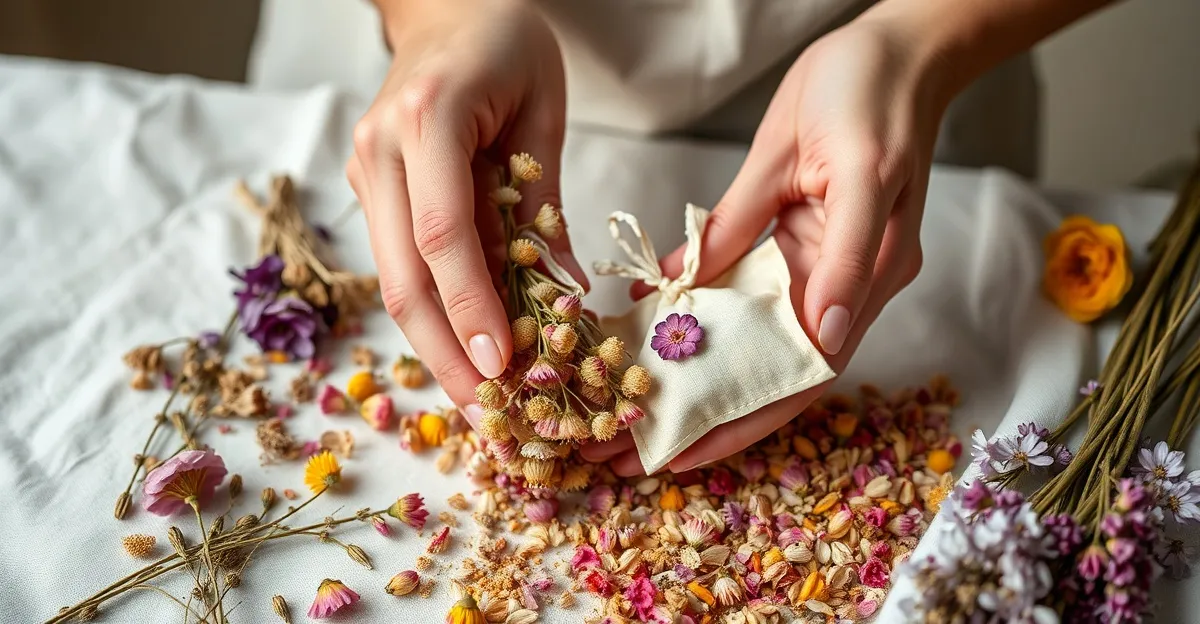
There's a particular pleasure in using something fully — getting the beauty of fresh flowers while they're alive, then extending their presence in another form once they've dried. Potpourri sachets are one of the simplest and most satisfying ways to do that, and living in Bali gives you access to an extraordinary range of raw materials: frangipani, ylang-ylang, ginger flower, dried hibiscus petals, and more.
The challenge in a tropical climate is making sachets that actually hold up rather than wilting into a damp, musty mess within a few weeks. Here's how to do it properly.
Choosing the right dried flowers for potpourri
Not every flower dries well enough for potpourri, and not every dried flower contributes anything useful beyond visual interest. The best potpourri combines flowers with natural fragrance, sturdy petals that hold their structure, and colors that stay appealing when dry.
Frangipani is the obvious star. Even dried, frangipani retains fragrance for months — longer if you add a few drops of frangipani essential oil to refresh it. The petals dry to a papery cream or pale yellow and look beautiful layered with other blooms.
Ylang-ylang is underused in home potpourri but incredibly effective. The distinctive sweet, slightly tropical scent holds well when dried, and the long yellow petals add visual texture to a sachet mix.
Rose petals from garden roses (rather than the long-stemmed commercial varieties) tend to hold more natural scent. In Bali's highland areas around Bedugul and Kintamani, local roses are grown at higher elevation where the cooler temperatures concentrate fragrance.
Jasmine (melati) — Bali's ceremonial workhorse — dries quickly and lightly, and its scent lingers surprisingly well. Small white petals add brightness to a mix and evoke the smell of temple offerings.
Marigold petals (gemitir) are practically indestructible when dried. The vibrant orange and yellow colors hold for over a year, and they add bulk to sachets without contributing much scent — think of them as the visual filler that lets fragrant flowers take center stage.
Dried hibiscus gives a deep cranberry-red color that contrasts beautifully against pale frangipani. It has mild tartness rather than floral fragrance, but it contributes body to a blend.
Avoid flowers that dry translucent or papery and colorless — they add nothing to the visual appeal and often create a crumbled mess inside the sachet.
Drying flowers properly before making sachets
The biggest mistake people make with potpourri in Bali is not drying flowers thoroughly enough before bagging them. Residual moisture in a sealed sachet equals mold, and mold smells nothing like flowers.
For potpourri purposes, air-drying on a mesh rack works well for most tropical blooms. Hang bunches upside down in a well-ventilated room away from direct sun — a shaded balcony or an air-conditioned room with a dehumidifier running is ideal. The process takes one to three weeks depending on the humidity level and petal thickness.
Silica gel drying is faster (three to seven days) and preserves color better, but requires more product and is harder to scale for large batches. For potpourri, air-drying is usually sufficient since you're going to enhance the scent with essential oils anyway.
Oven-drying at very low temperature (60–70°C) works for petals and small flowers, but check frequently — Bali's humidity means oven time can vary significantly. The goal is completely papery-dry petals with no soft spots.
A key test: take a petal between your fingers and try to bend it. If it snaps or crumbles, it's ready. If it flexes or feels soft at all, it needs more drying time.
Building a fragrance blend
Fresh-dried tropical flowers have good natural scent, but for sachets that stay fragrant for months, you'll want to add fixatives and essential oils.
Orris root powder (from iris root) is the traditional potpourri fixative. It has a faint violet scent of its own but mainly works by absorbing essential oils and releasing them slowly over time. A tablespoon per cup of dried material extends fragrance life significantly. It's available from spice markets in Denpasar and some specialty stores in Seminyak.
Essential oils to try: Frangipani essential oil is obvious and beautiful. Ylang-ylang oil works in small amounts — it's strong, so start with just a few drops. Sandalwood complements tropical flowers without overpowering them. Clove or cinnamon adds warmth and has natural antimicrobial properties that help resist mold (useful in Bali's humid conditions).
A simple starting ratio: 2 cups dried petals, 1 tablespoon orris root, 10–15 drops total essential oils. Mix in a sealed container or zip-lock bag for 24–48 hours before filling sachets, so the fragrance distributes evenly.
Making the sachets themselves
The sachet material matters. In Bali's humidity, choose breathable fabrics that won't trap moisture but are tight enough to keep petals from spilling: muslin, cotton voile, or fine linen. Organza bags (available cheaply at craft suppliers in Kuta and Denpasar) are practical and look elegant.
Fill each bag about two-thirds full — too tightly packed and the fragrance can't circulate; too loose and the bag collapses. Tie off with a ribbon or a piece of natural twine. If you're making gifts, dried leaves from tropical plants (pandanus, palm) pressed flat make beautiful additions to the tie decoration.
For drawer sachets meant to protect clothes, adding a few dried cloves or a cinnamon stick to the blend does double duty: the spice scent works as a mild moth deterrent and complements the floral blend.
For room sachets hanging from door handles or placed in bathrooms, smaller bags with stronger fragrance blends work better than the subtle mixes you'd use in a drawer.
Dealing with Bali's humidity in storage
Even well-dried sachets can absorb moisture over time in tropical climates. To extend their life:
Keep a small silica gel packet in the storage container where you keep extra sachets. Silica gel is cheap and widely available, and it makes a real difference in keeping dried petals crisp.
Refresh sachets every few months with a few drops of your essential oil blend, applied to the outside of the fabric (not directly to the petals, which can create damp patches). Gently squeeze the sachet to release the fragrance inside and redistribute the oil.
If sachets start to smell musty rather than floral, it's usually because moisture has gotten in. The best fix is to carefully empty the contents, re-dry the petals in a low oven or back on a drying rack, then re-fill the bag.
For sachets used in closets and drawers, the humidity is generally lower than open room air, so they tend to last better than hanging room sachets in naturally ventilated Bali spaces.

The team
your florists
weekly subscription · Bali
We write about flowers because we love them. We deliver them because someone should — properly, weekly, across Bali.
— heyflowerPay once for 3, 6, or 12 months, no auto-renewal.
Gift packaging ideas for Bali-made sachets
A set of three to five sachets packaged together makes a genuinely memorable gift — especially for tourists heading home from Bali who want something lightweight, fragrant, and locally made. Package them in a small bamboo box or a kraft paper bag tied with banana leaf cord. Add a handwritten note with the flower ingredients and a line about how to refresh the scent.
Markets in Ubud, particularly around Jalan Dewi Sita and the Ubud Art Market, sell beautiful small boxes suitable for gift packaging. The combination of local packaging and locally-sourced dried flowers creates something that feels authentically Balinese.
If you're working with flowers from a regular subscription delivery, how to turn a subscription bouquet into a dried wreath gives ideas for another creative use of your weekly flowers, and DIY dried flower bookmarks from your Bali trip covers quick pressing projects for individual blooms.
FAQ
How long do potpourri sachets last in Bali? Properly made and stored sachets last 6–12 months before needing refresh. Adding essential oil drops every few months extends this significantly. In air-conditioned rooms, they last toward the longer end of that range.
Can I use canang sari flowers for potpourri? Yes, though check that the flowers have been used in an offering that's already been completed — taking flowers from an active offering is disrespectful. Spent offering flowers can be collected, dried, and used. Marigolds, frangipani, and jasmine from canang sari all work well.
What's the best way to dry flowers quickly in Bali's humidity? Silica gel drying (3–7 days) or oven drying at 60–70°C are the fastest reliable methods. Air-drying works but can take 2–3 weeks in humid conditions and risks mold if airflow is poor.
Do potpourri sachets work as moth deterrents? Adding dried cloves, lavender, or cedarwood to the blend helps, but sachets aren't a replacement for proper clothing storage. They're a pleasant supplement rather than a complete pest solution.
Can I sell Bali-made potpourri sachets? Yes — handmade floral sachets are popular in local markets and with tourists. Check whether your product uses any protected plant materials (rare orchids, certain endemic species) before selling. Standard garden flowers and market blooms are fine.
Making potpourri sachets from dried Bali flowers connects the pleasure of fresh blooms to something lasting — a small, fragrant piece of the island that carries well in a suitcase or looks beautiful in a Seminyak villa bathroom. The process is simpler than it sounds, and the results are genuinely lovely when the drying and blending are done with care.
Ready to bring fresh flowers to your Bali home or event? Explore our weekly flower subscription and get handpicked blooms delivered to your door every week.



