The History and Origin of the Gardenia
From its Chinese origins to Bali's villa gardens — trace the gardenia's journey through history, botanical discovery, and its place in modern Bali floristry.
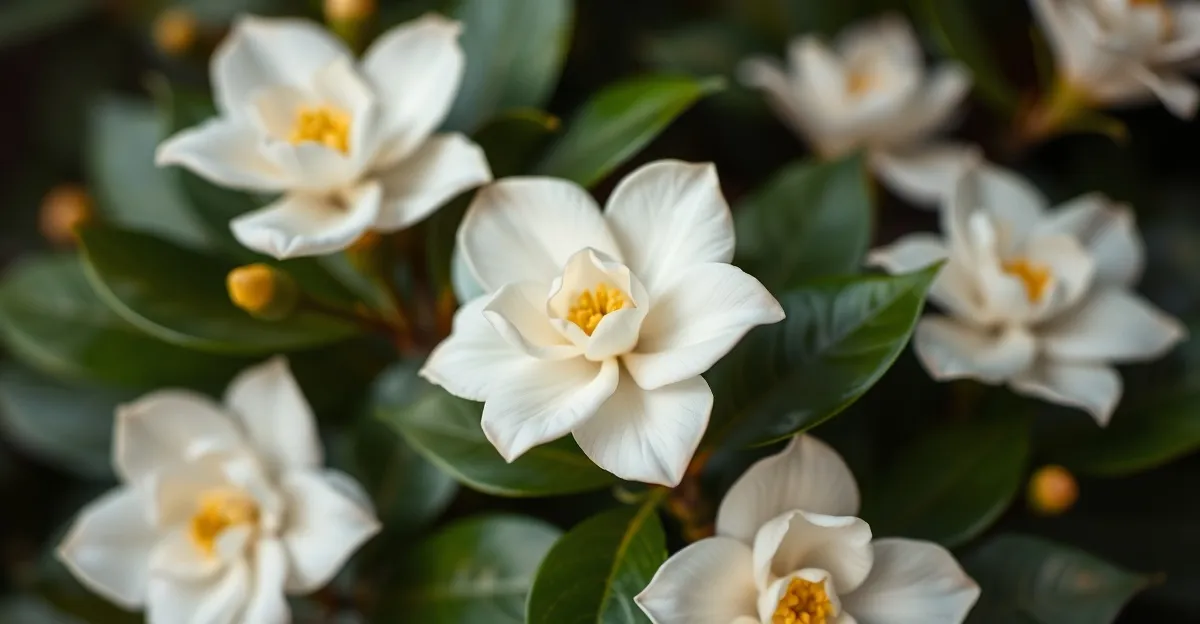
Gardenia is a flower that arrived in Bali carrying centuries of history from China, the Atlantic trade routes, and the Victorian era's obsession with botanical classification. It is not indigenous to the archipelago — unlike frangipani, lotus, or hibiscus, which have deep roots in the region — but it has been so thoroughly absorbed into Bali's sensory landscape that it feels native. You find it in hotel lobbies, spa welcome trays, temple market offerings, and the florist arrangements that decorate the island's finest villas and restaurants.
Understanding where gardenia comes from deepens the appreciation for what it is: a flower that has crossed the world several times over in pursuit of the right conditions for bloom.
Origins in East Asia
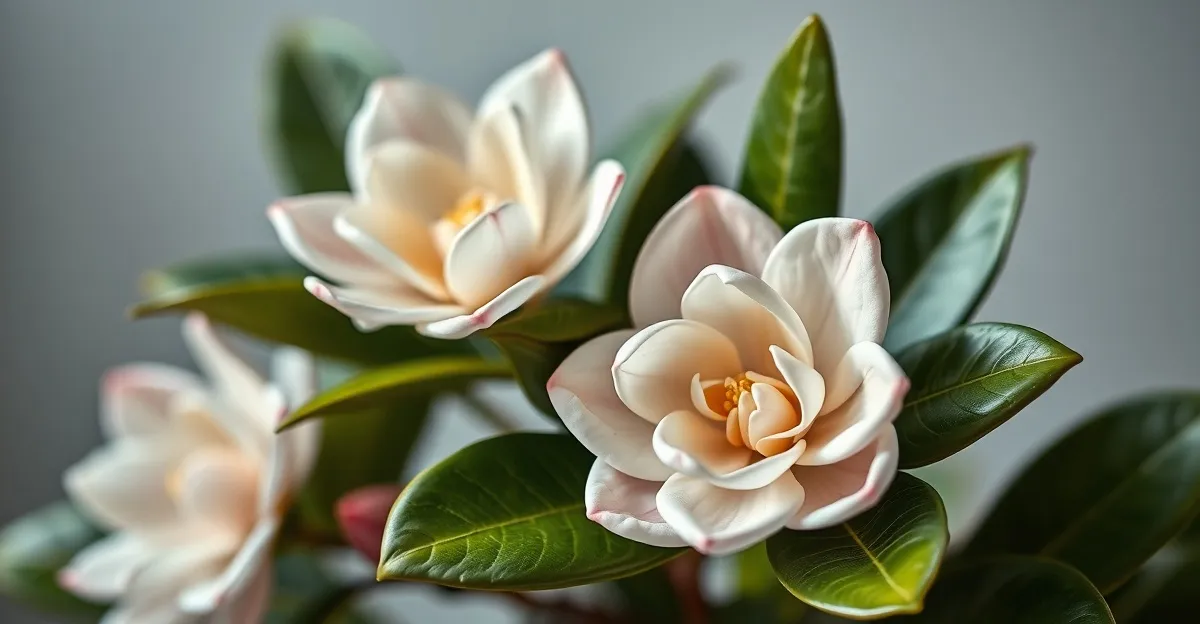
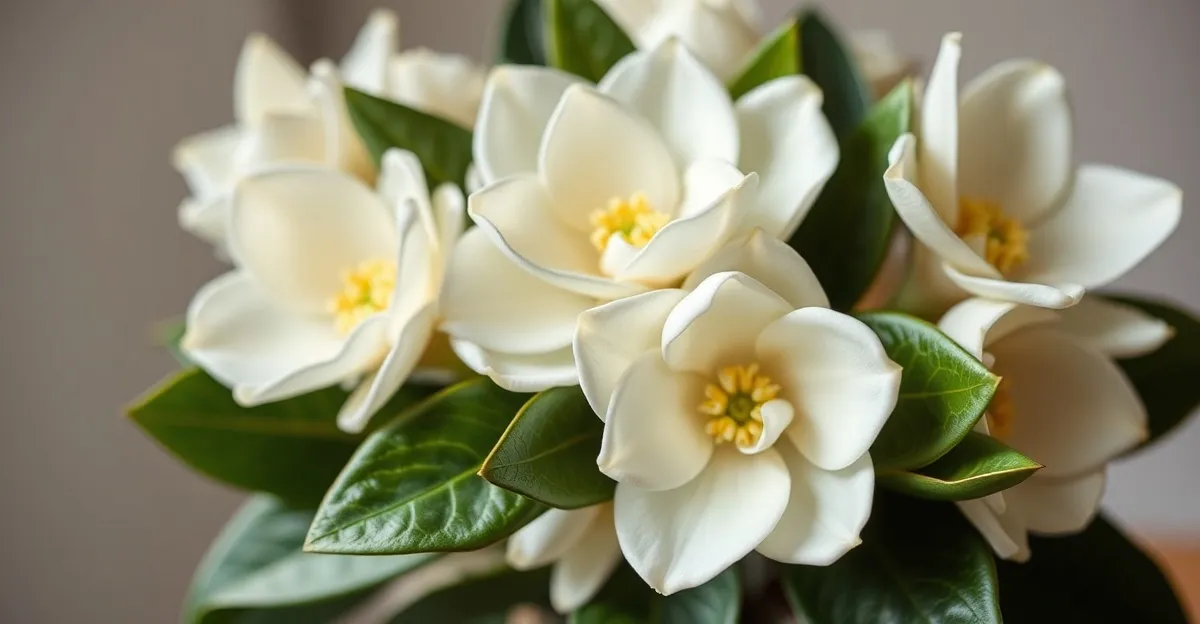
Gardenia (Gardenia jasminoides) is native to southern China, Japan, Korea, Taiwan, and parts of Southeast Asia. It has been cultivated in China for at least a thousand years — Chinese records reference it as zhizi and document its use in traditional medicine, natural dyeing, and as a fragrant decorative plant in garden design.
The Chinese used gardenia's brilliant orange-red fruits as a dye source for food, fabric, and ceremonial objects. The fruits contain the compound crocin — the same compound that gives saffron its colour — and produced a vivid, lasting yellow-orange dye. This practical use was as significant as the ornamental one for much of gardenia's cultivated history in China.
In Japan, the flower is called kuchinashi (くちなし), which translates literally as "no mouth" — a reference to the fruit, which remains closed as it ripens, unlike most fruits that split open when mature. The flower carries associations in Japanese culture with purity and with the idea of keeping something precious unexpressed — a meaning that dovetails with its Western symbolism of secret love.
The European discovery
Gardenia arrived in Europe through the 18th-century Atlantic botanical trade, which moved plants between Asia, Europe, and the Americas on an unprecedented scale during the colonial period. The flower reached England and Continental Europe via the East India Company's plant collectors, who were sourcing ornamental plants from China with the same systematic intensity they applied to commercial goods.
The genus was named in 1761 by Carl Linnaeus — considered the father of modern biological taxonomy — in honour of Alexander Garden, a Scottish-American physician and botanist based in Charleston, South Carolina. Garden never saw the flower in its natural habitat; he worked in correspondence with Linnaeus and contributed extensively to the documentation of North American plant and animal species. Having a genus named after you was the highest honour in 18th-century natural science.
The irony that a plant native to Asia was named after an American physician by a Swedish botanist reflects the thoroughly globalised nature of Enlightenment-era plant science — a network of correspondents, specimens, and dried herbarium sheets connecting naturalists across continents.
Gardenia in the 19th and 20th centuries
By the Victorian era, gardenia was an established hothouse flower in European and North American gardens — cultivated under glass because most of Europe is too cold for a subtropical plant. The hothouse, or conservatory, was a status symbol of the 19th century, and gardenia became one of its defining plants alongside camellias, orchids, and asparagus ferns.
The flower's place in floriography — the Victorian language of flowers — assigned it the meaning of "secret love" or "you are lovely," contributing to its use as a romantic gesture. Gentlemen in the late 19th century would sometimes wear a gardenia boutonnière as a statement of romantic availability or interest. The Waldorf-Astoria hotel in New York famously maintained a tradition of gardenia corsages for women guests well into the mid-20th century.
In the jazz era, gardenia became particularly iconic: Billie Holiday wore a gardenia in her hair at performances from the late 1930s onward, turning the flower into one of the most recognisable personal symbols in American musical history. The image of a white gardenia against dark hair in a spotlight became a cultural touchstone.
Gardenia's journey to Southeast Asia
The pathway by which gardenia reached Indonesia and specifically Bali is less precisely documented than its European journey, but the broad outline is clear. The Dutch colonial presence in the East Indies (now Indonesia) from the 17th century onward created extensive botanical gardens — most notably the Bogor Botanical Gardens (Kebun Raya Bogor) in West Java, founded in 1817 — where tropical and subtropical plants from across the world were cultivated and studied.
Gardenia's natural habitat in southern China and Japan meant it adapted reasonably well to Java's highland climate, particularly in the cooler areas around Bogor, Bandung, and the Dieng Plateau. From Java, the flower moved into Bali through the ongoing trade and cultural connections between the islands.
In Bali, gardenia sits within a tradition of fragrant flower cultivation that predates Dutch influence by centuries. The island's culture of floral offering — the canang sari prepared daily for temples and shrines — creates constant demand for fragrant blooms, and gardenia joined frangipani, jasmine, and tuberose as flowers whose scent made them valuable for offering as well as decoration.

The team
your florists
weekly subscription · Bali
We write about flowers because we love them. We deliver them because someone should — properly, weekly, across Bali.
— heyflowerPay once for 3, 6, or 12 months, no auto-renewal.
Gardenia in Bali today
Today gardenia appears throughout Bali in multiple contexts. In the luxury hospitality sector — from the high-end resorts of Nusa Dua to the boutique villas of Seminyak and the wellness retreats of Ubud — gardenia's fragrance has become a signature element of the curated arrival experience.
Local jamu (traditional herbal medicine) practitioners have used gardenia fruit extract in preparations for skin brightening, following the same chemistry that made it a dye source in historical China. Gardenia oil is used in aromatherapy and skincare products manufactured in Bali's growing wellness product sector.
In the flower market at Badung (Pasar Badung) in Denpasar — one of the largest traditional markets in Bali — gardenia buds are sold alongside frangipani, jasmine, and marigold for daily temple offerings. Most of these come from Java rather than being locally grown, reflecting the flower's ongoing dependence on cooler highland growing conditions. But the demand is consistent and year-round.
For related context on growing gardenia locally, can gardenia grow in Bali? A florist's perspective covers the practical realities of cultivation in the island's climate.
FAQ
Who discovered gardenia? Gardenia has been known and cultivated in China and Japan for over a thousand years. It was "discovered" by European botany through 18th-century plant collectors working for the East India Company. Carl Linnaeus formally classified and named the genus Gardenia in 1761, naming it after the Scottish-American botanist Alexander Garden.
Why does gardenia have such a strong fragrance? Gardenia's fragrance comes from a complex mixture of volatile organic compounds, primarily linalool, benzyl acetate, and terpineol. These are the same compounds found in jasmine, with some additions that give gardenia its distinctive creamier, headier quality. The flower evolved this strong fragrance to attract nighttime pollinators — moths and other insects that navigate by scent rather than colour in low light.
Is the gardenia related to jasmine? Not closely. Despite their similar fragrance profiles, gardenia and jasmine are in different plant families. Gardenia belongs to Rubiaceae (the coffee family), while jasmine belongs to Oleaceae (the olive family). Their shared fragrance compounds evolved independently — a good example of convergent evolution in floral scent chemistry.
What did traditional Chinese medicine use gardenia for? In traditional Chinese medicine, gardenia fruit (zhi zi) is used as an anti-inflammatory and is classified as a herb that "clears heat" — used to treat conditions associated with inflammation, infection, and fever. It is also used for jaundice, anxiety, and insomnia in the TCM framework. The active compounds include geniposide, which has documented anti-inflammatory properties in modern pharmacological research.
How old is the Bogor Botanical Gardens connection to gardenia in Indonesia? The Bogor Botanical Gardens were founded in 1817 and quickly became one of the most important botanical institutions in Asia, cultivating thousands of species from across the tropics and subtropics. Gardenia would have been among the plants introduced to the collection in the early 19th century, making the Java-to-Bali journey of the flower likely to have begun sometime in the 19th century.
Ready to bring fresh flowers to your Bali home or event? Explore our weekly flower subscription and get handpicked blooms delivered to your door every week.
More on Gardenia