The history and origin of the freesia
Trace the freesia's journey from the Cape of South Africa to flower markets worldwide, including Bali. Learn its botanical history, naming, and how it became a global favourite.
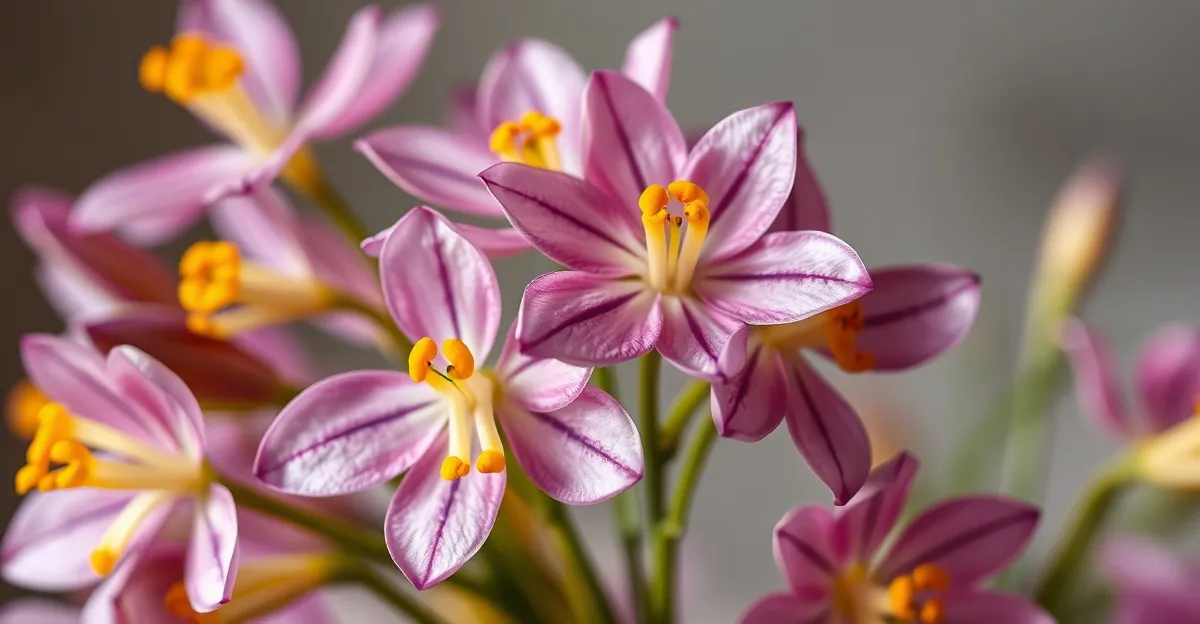
If you have ever brought a freesia to your nose and inhaled that sweet, slightly citrusy scent, you understand why this flower has been cultivated across the world for more than 150 years. Despite its South African origins, the freesia now grows in cut-flower farms on nearly every continent and lands in florists' refrigerators from Amsterdam to Denpasar. Understanding where it came from makes it a more interesting flower to work with — and to receive.
Botanical origins in South Africa
The freesia is native to the southern and eastern regions of South Africa, particularly the Cape Floristic Region — one of the world's six recognized plant biodiversity hotspots. The original wild species grew in fynbos (a type of shrubland unique to the Western Cape), alongside proteas, leucadendrons, and other plants that have become globally popular in contemporary floristry.
Wild freesias are quite different from the plump, multi-flowered hybrids sold in flower markets today. The original species — Freesia refracta and a handful of others — produced smaller, often white or pale yellow tubular flowers with a distinctive one-sided arrangement along the arching stem. This growth habit, where flowers open in sequence along one side of the stem, is the characteristic "freesia shape" you still see in modern varieties.
The plant thrives in a Mediterranean-type climate: warm, dry summers and cool, wet winters. This is worth noting if you are trying to grow them in Bali, where the climate is nearly the opposite — but more on that in another article.
The botanist who named it
The genus name Freesia honors Christian Friedrich Freese, a 19th-century German physician and amateur botanist who studied plants in the Cape region. The formal naming was done by Heinrich Gustav Reichenbach, a German botanist, in the 1860s.
This kind of botanical commemoration — naming a genus after a person — was standard practice in the 19th century, when European naturalists were systematically categorizing the plants they encountered in Africa, Asia, and the Americas. Freese himself is not particularly famous beyond this botanical legacy; his name lives on because Reichenbach chose to honor him when formalizing the taxonomy.
The irony is that the genus named after an amateur became one of the most commercially significant flower genera in the world. Few flower names carry as much international recognition.
Arrival in European gardens
Freesias reached Europe in the mid-1800s, carried by plant collectors who were systematically exploring southern Africa. The Cape of Good Hope was a significant stop on trade routes, and botanical gardens in Europe were hungry for new plant material from the region.
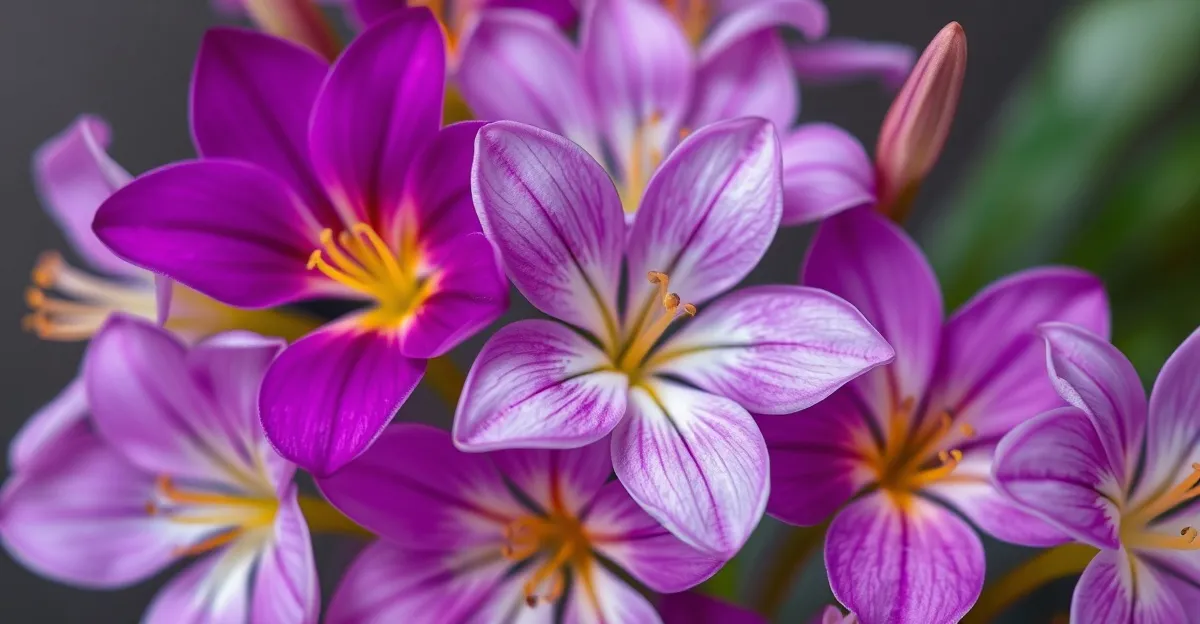
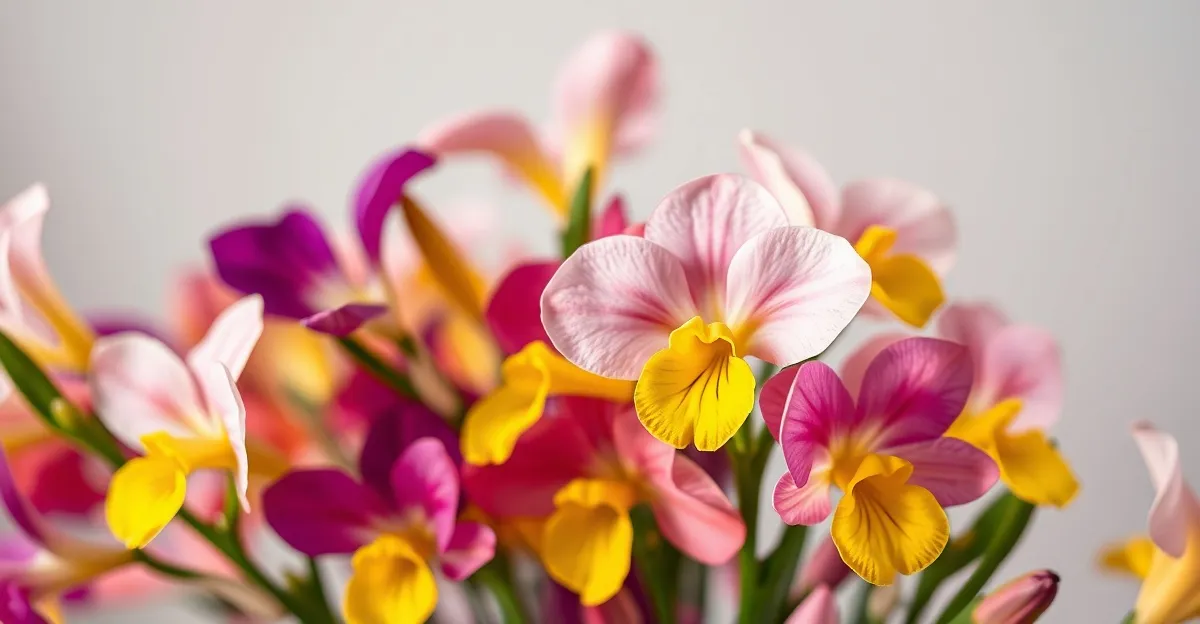
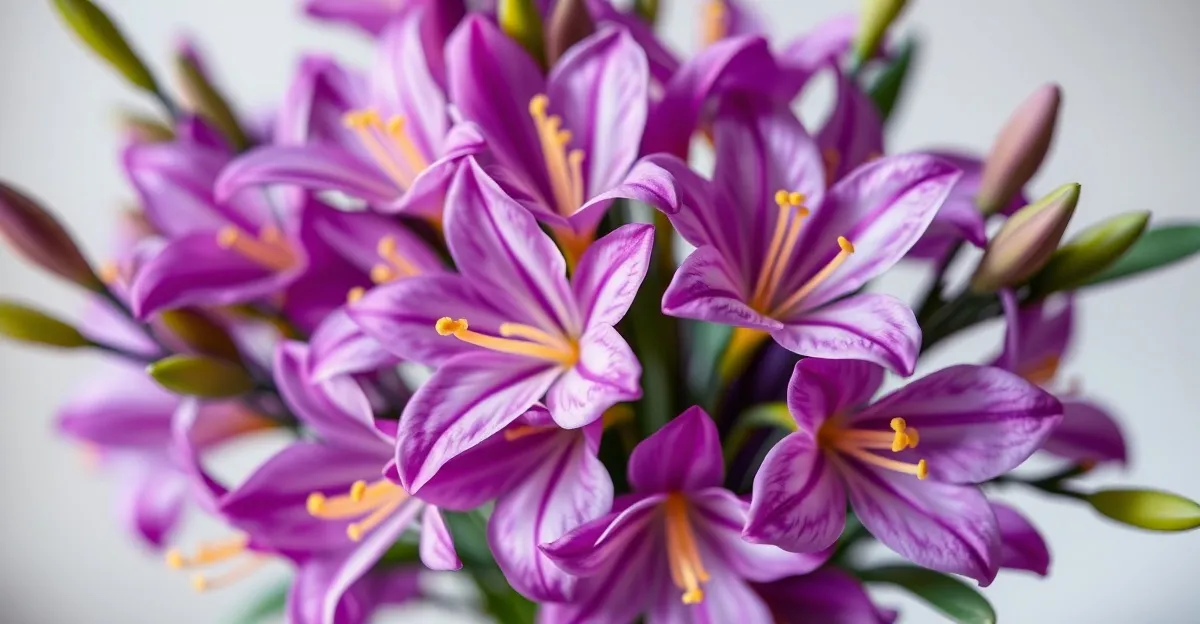
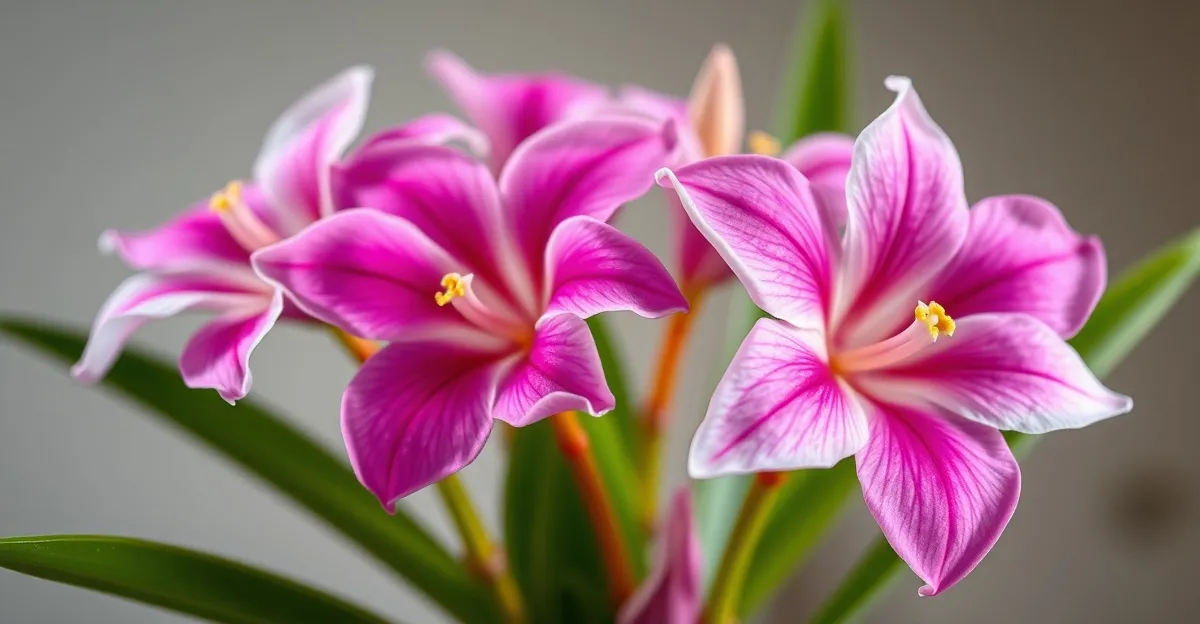
By the late 19th century, Dutch horticulturists — already experts in tulip and bulb cultivation — began breeding freesias seriously. The Netherlands became the center of freesia hybridization, and this is where the flower's story really transforms. Dutch breeders crossed the natural species to produce plants with larger flowers, stronger stems, wider color ranges, and longer vase life. The results were the modern freesias we know today: single and double-flowered varieties in white, yellow, pink, red, orange, purple, and deep lilac.
By the early 20th century, freesias were a standard cut flower in European florists. Their fragrance — distinctive enough to be used as a perfume base — made them desirable beyond just their visual appeal.
The freesia in commercial floriculture
Today, the Netherlands remains the world's leading producer and exporter of freesia bulbs, though cut-flower production has spread to countries with suitable climates, including Colombia, Kenya, and Israel. The global cut-flower industry handles freesias as one of its standard commodity flowers — you will find them in supermarket bouquets in London and Tokyo and Seoul.
In Bali, freesias are not grown locally at scale. Bali's year-round heat and high humidity make freesia cultivation difficult — the bulbs prefer cool winters to trigger flowering, and the high moisture encourages fungal problems. Freesias sold by florists in Denpasar and Ubud are typically imported, most often coming through Java's flower-distribution networks that source from highland farms in East Java or via air freight from international suppliers.
This import dependency means freesia prices in Bali tend to be higher than local tropical flowers, and supply can be variable. During major international flower holidays (Valentine's Day, Mother's Day), demand can outstrip local availability.
Fragrance: the freesia's signature
No history of the freesia is complete without talking about scent. The freesia's fragrance profile is complex and difficult to replicate synthetically — which is why perfumers have long been interested in it. The natural compounds include linalool (floral, slightly woody), geraniol (rose-like), and various citrus-adjacent notes.
The scent intensity varies by color. White and yellow freesias are typically the most fragrant; pink and red varieties are often milder. This is a result of breeding decisions — when hybridizers selected for darker pigmentation, they sometimes inadvertently reduced the volatile aromatic compounds. If you buy freesias specifically for their scent, white or yellow are your safest choice.
In Bali's humidity, the fragrance can be surprisingly intense. Tropical warmth accelerates the release of aromatic compounds, so a bunch of freesias in a Seminyak living room can perfume the entire space within a few hours.
Modern breeding and the freesia today
Breeding work on freesias has never stopped. Contemporary varieties include heat-tolerant lines developed specifically for warmer markets, varieties with extended vase life (some now lasting 10–14 days in ideal conditions), and novelty types with ruffled petals or unusually deep color saturation.
There has also been interest in developing varieties that perform better in tropical conditions — reducing the chill requirement that prevents natural blooming in warm climates. Whether this produces commercially viable tropical freesia cultivation remains to be seen, but the trend toward climate-adaptive breeding is relevant for markets like Bali where imported flowers carry a significant carbon footprint.
For events where multiple flower types are combined, freesias pair beautifully with many other blooms. See our guide to how to keep a wedding bouquet fresh through the ceremony for practical tips on keeping mixed arrangements looking their best in Bali's conditions.

The team
your florists
weekly subscription · Bali
We write about flowers because we love them. We deliver them because someone should — properly, weekly, across Bali.
— heyflowerPay once for 3, 6, or 12 months, no auto-renewal.
The freesia in gifting and meaning
The freesia arrived in the language of flowers — the Victorian-era floriography tradition — carrying associations with trust, friendship, and thoughtfulness. It was considered an appropriate gift between friends rather than a romantic flower, though pink and red varieties have been adopted into romantic bouquets over time.
In contemporary gifting, the freesia's greatest strength is its scent. A bouquet that smells as good as it looks is inherently more memorable, and the freesia delivers on both counts. For occasions where the recipient would particularly value fragrance — a gift for someone who spends a lot of time at home, for instance, or a housewarming — freesias make a thoughtful choice.
If you are looking for ideas on how to pair freesias with other flowers for different occasions, our article on the best flowers for dinner party host gift in Bali has some practical suggestions.
FAQ
Where does the name freesia come from? The genus was named by botanist Heinrich Gustav Reichenbach in honor of Christian Friedrich Freese, a German physician and amateur botanist who worked in South Africa in the 19th century.
Are freesias related to irises? Yes. Freesias belong to the family Iridaceae, which also includes irises, gladioli, and crocuses. They share the characteristic of growing from corms (a type of bulb-like underground storage organ) rather than true bulbs.
Why are white and yellow freesias more fragrant than colored ones? Breeding for intense pigmentation often reduces the production of aromatic volatile compounds. White and yellow varieties typically retain the highest fragrance levels because they have undergone less selective pressure for color.
Can freesias be grown in Bali? It is difficult. Freesias require a cool dormant period to trigger flowering. In Bali's warm year-round climate, this is hard to achieve without a refrigerated growing setup. Most freesias sold in Bali are imported from highland farms in Java or internationally.
How long do freesias last in a vase in tropical conditions? Expect 5–7 days in Bali's heat with proper care — clean water, cut stems at an angle, and placement away from direct sun and air-conditioning vents. This is shorter than in cooler climates but still reasonable for a cut flower.
Ready to bring fresh flowers to your Bali home or event? Explore our weekly flower subscription and get handpicked blooms delivered to your door every week.
More on Freesia