The history and origin of the dahlia
From Aztec gardens to Balinese bouquets — the extraordinary journey of the dahlia flower across centuries, continents, and cultures.
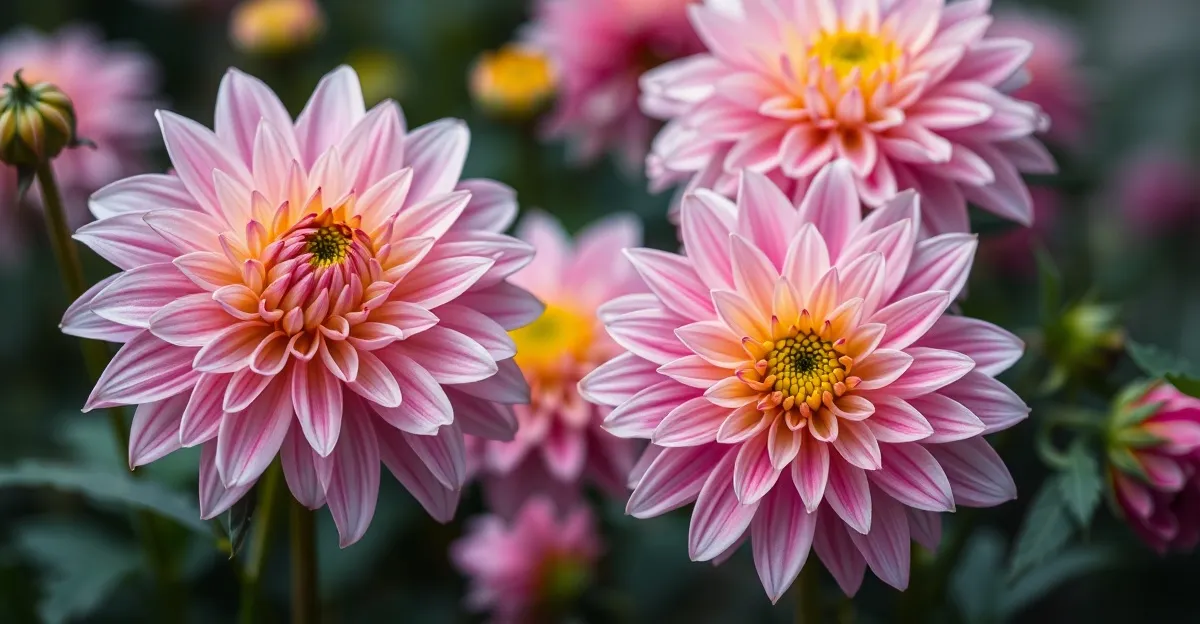
The dahlia you receive in a heyflower.co arrangement carries centuries of history. It's a flower that crossed oceans, sparked obsessions in European royal courts, survived political intrigue, and ultimately spread across the world to become one of the most beloved blooms in contemporary floristry. For a flower so widely available today, its journey here has been genuinely dramatic.
Understanding where dahlias come from adds a layer of appreciation to every arrangement. Here's the full story, from the mountains of Mexico to your vase in Bali.
The Aztec Origins of the Dahlia
Dahlias are native to Mexico and Central America, with the highest concentration of wild species found in the highlands of Mexico, particularly in the states of Oaxaca, Puebla, and Hidalgo. The Aztec people called them acocotli or cocoxochitl — the latter meaning "hollow-stemmed flower," a reference to the characteristic hollow stem that still defines dahlias today.
For the Aztecs, dahlias were not merely ornamental. The long, hollow stems were used as water pipes and conduits. The tubers — starchy, water-rich underground storage organs — were eaten as a food source and used medicinally. Aztec herbalists used dahlia preparations to treat epilepsy, and the tubers were valued as a kind of root vegetable during lean seasons.
The Aztecs also cultivated dahlias ceremonially, and the flowers appeared in ritual contexts throughout Mesoamerican culture. Tree dahlias (Dahlia imperialis) could reach five or six metres in height, and these towering plants were objects of particular reverence.
Before European Contact
When the Spanish arrived in Mexico in the early 16th century, they encountered dahlias in Aztec gardens and in the wild highlands. The plant was entirely unknown to Europe at the time — not a single species of dahlia existed anywhere else on earth. This fact makes dahlias, alongside tomatoes, potatoes, and chocolate, one of the genuinely New World contributions to human experience.
The Journey to Europe
The Spanish Conquistadors brought dahlia specimens and seeds back to Europe in the late 16th century, though the exact date is debated by historians. The plants initially went to the Royal Botanical Gardens in Madrid under the care of physician Francisco Hernández, who had been commissioned by King Philip II to catalogue Mexican natural history.
For over a century, dahlias were primarily a botanical curiosity in Spain. The Spanish were actually more interested in the edible tuber as a potential food crop (though it never really caught on culinary-wise) than in the flower's ornamental potential. The plant languished in relative obscurity.
The decisive moment came in 1789, when seeds were sent from Mexico City's botanical garden to Madrid's Real Jardín Botánico, and from there the dahlia's ornamental potential was properly recognised. The Swedish botanist Anders Dahl gave his name to the genus — Dahlia — when it was formally classified in 1791, an honour bestowed posthumously. Dahl had been a student of Carl Linnaeus, the father of modern botanical classification.
The Great Dahlia Craze in Europe
Once dahlias reached Paris and London in the early 19th century, their reception was nothing short of hysterical. The timing was perfect: the early Victorian era's passionate interest in gardens and botanical collecting created an ideal environment for a flower this spectacular and varied.
European horticulturalists quickly realised that dahlias hybridised readily — cross-pollinate two varieties and you might produce something entirely new. The range of possible forms proved almost infinite: double blooms, single blooms, pompon types, cactus forms, ball dahlias, waterlily dahlias. Each new variety generated excitement and competition.
By the 1830s, dahlia societies had formed across Europe. Shows were held, prizes were awarded, and wealthy collectors paid extraordinary sums for rare varieties. Accounts suggest that in some periods, a single new dahlia tuber could be sold for the equivalent of what a working person would earn in a month.
Royal Connections
Dahlias caught the attention of European royalty. Queen Charlotte of England and Empress Joséphine of France were both passionate dahlia cultivators. Joséphine's garden at Malmaison became famous for its dahlia collection — she reportedly had over 200 varieties growing at one point.
When Joséphine allowed another aristocrat to take cuttings from her prized dahlia collection, and that person quietly developed the plants and began selling them competitively, Joséphine is said to have been furious enough to have her entire dahlia collection destroyed. Whether the story is entirely accurate is debated, but it speaks to how emotionally charged dahlia collecting had become.
The Dahlia Name's Complicated History
Before being named Dahlia in honour of Anders Dahl, the flower was briefly known as Georgina in Russia and parts of Germany — a name that still persists in some languages. Russian florists and botanists used Georgina variabilis as the accepted name well into the 20th century. If you ever encounter the word "georgina" in a German or Eastern European flower context, it refers to what everyone else calls a dahlia.

The team
your florists
weekly subscription · Bali
We write about flowers because we love them. We deliver them because someone should — properly, weekly, across Bali.
— heyflowerPay once for 3, 6, or 12 months, no auto-renewal.
Dahlias Reach Asia
Dahlias reached Japan, China, and eventually Southeast Asia through European colonial trade routes in the 19th and early 20th centuries. Their adaptation to Asian highland growing conditions — particularly in Japan, where mountain climates suit dahlias well — established them as beloved garden plants across East Asia.
In Indonesia, dahlias found their way into highland growing regions via Dutch colonial horticultural networks. The Dutch were passionate about floriculture, and dahlias were among the flowers they cultivated in Indonesia's cooler highland areas during the colonial period.
Today, Indonesia's highland regions in Java and Sumatra, as well as Bali's own Bedugul area, produce dahlias for local flower markets. The story comes full circle — a flower that began as an Aztec food crop, crossed oceans, obsessed European aristocrats, and eventually found its way to Indonesian highlands, now arrives in Canggu villa arrangements courtesy of the very trade networks and botanical curiosity its beauty has always inspired.
For more on how dahlias work in today's Bali flower scene, our piece on dahlia in wedding bouquets covers their role in contemporary celebrations.
If you're curious about the significance of dahlia colours and how to choose the right one for a gift, see our dahlia meaning and symbolism: a full gifting guide.
Frequently Asked Questions
Where do dahlias originally come from?
Dahlias are native to the highlands of Mexico and Central America. They were cultivated by the Aztec people long before European contact and are one of the genuinely New World contributions to global horticulture.
Why is the flower called a dahlia?
The genus was named after Swedish botanist Anders Dahl, a student of Carl Linnaeus, when the flower was formally classified in 1791. Dahl died before the naming occurred — it was a posthumous honour.
Did Aztecs eat dahlias?
Yes — the tubers (underground storage organs) were eaten as a food source and used medicinally by the Aztecs. The hollow stems were also used as water pipes.
Why were dahlias so expensive in Victorian England?
Dahlias hybridise easily, producing an almost limitless range of new forms. The novelty of each new variety, combined with the Victorian passion for botanical collecting, drove intense competitive demand among wealthy collectors.
When did dahlias arrive in Indonesia?
Dahlias reached Indonesia through Dutch colonial horticultural networks during the 19th and early 20th centuries. They've been cultivated in Indonesia's highland regions ever since.
At heyflower.co, we source our dahlias from the best highland growers in Java and Bali, honouring a plant that has travelled a remarkable distance to reach your vase. Our weekly and fortnightly flower subscriptions bring you the season's finest blooms, delivered fresh to your door across Canggu, Seminyak, Ubud, and beyond. Explore our subscription plans today.
More on Dahlia