Sweet pea vase life in the tropics: how long do they last?
Sweet peas are delicate blooms that struggle with Bali's heat and humidity. Here's what to realistically expect and how to stretch their vase life.
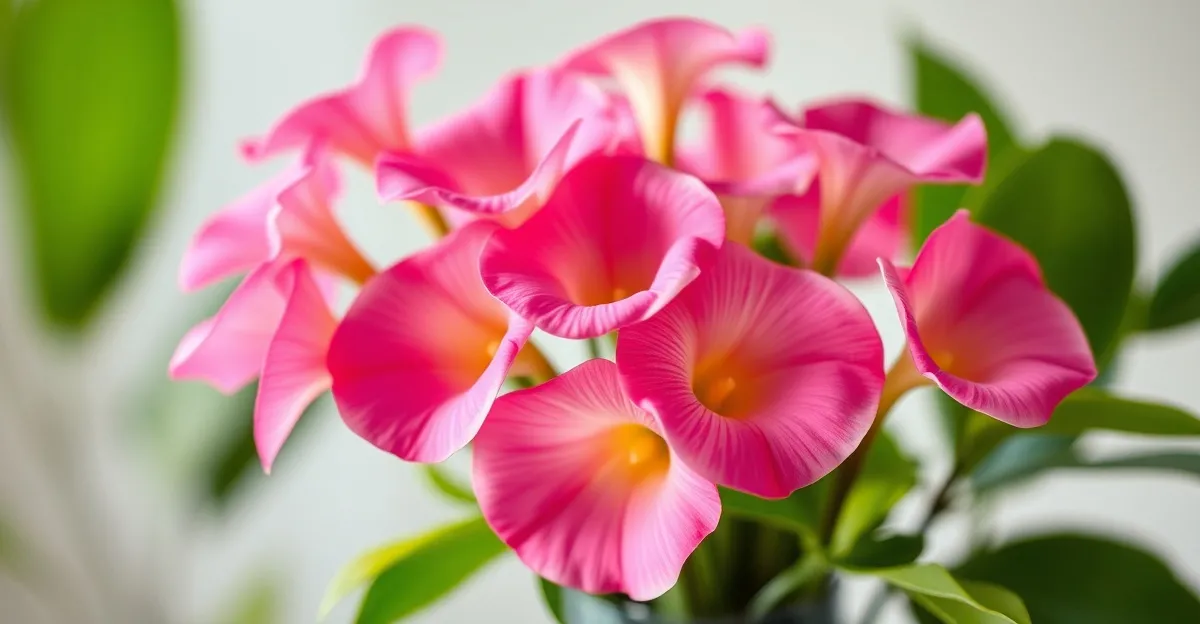
Sweet peas are among the most romantic flowers you can put in a vase — feathery petals, tendrils of fragrance, colours that range from the softest blush to deep wine purple. They're also, it has to be said, among the most temperamental flowers to keep alive in Bali's climate. Anyone who's bought a bunch in Ubud or had them delivered to a villa in Seminyak knows the mild heartbreak of watching them droop within a day or two of arrival.
So what's actually going on, and what can you do about it? This guide covers the honest facts about sweet pea vase life in a tropical environment, what affects it, and how to get the most from these beautiful but fleeting blooms.
Why sweet peas struggle in tropical heat
Sweet peas (Lathyrus odoratus) are cool-season flowers. They evolved in the Mediterranean — Sicily, specifically — and were later bred extensively in temperate European climates. Their natural preference is for temperatures between 10–18°C, ideally with cool nights and low humidity.
Bali sits at roughly 28–33°C through most of the year, with relative humidity often exceeding 80 percent in the wet season (November through March). For a sweet pea, that combination is genuinely hostile. Heat accelerates the flower's natural aging process by ramping up cellular respiration and water loss. High humidity encourages fungal growth on petals that are already soft and thin.
The result: where sweet peas might last 7–10 days in a cool European apartment, you're looking at 3–5 days in a typical Bali home, and sometimes less if the air conditioning isn't on or if the blooms were poorly handled in transit.
What actually affects how long they last
Temperature at the point of sale and transit. Flowers that have been kept properly cold — at a wholesaler in Bedugul or at a well-run florist with cold storage — will outlast flowers that spent hours on the back of a truck in the midday heat. This is one reason buying from a florist who knows their supply chain matters.
How the stems were cut. Sweet peas take up water through their stems, and if the stem was cut at a flat angle (or not recut after purchase), the cut surface can seal over, limiting hydration. Always recut at a 45-degree angle under running water before placing in a vase.
Vase water quality. Bacteria in vase water block the stem's ability to draw up water. Change the water every day in Bali's heat — not every two or three days as you might in a cooler climate. A drop of bleach or a proper flower food sachet helps significantly.
Placement. Even with air conditioning, avoid placing sweet peas near windows that get direct afternoon sun (typical in Seminyak and Kerobokan villas), near cooking areas, or directly under ceiling fans that dry the air around them.
Ethylene exposure. Ethylene gas, released by ripening fruit, is a known accelerant of flower aging. Don't put your sweet pea vase on the kitchen counter next to a fruit bowl. A ripe mango sitting nearby can take a day off the vase life on its own.
Realistic expectations by setting
Air-conditioned rooms (24–26°C): 4–6 days, sometimes up to 7 with excellent water management. This is the best case scenario for Bali conditions.
Open-air living spaces (tropical villas, bales, outdoor dining areas): 2–3 days maximum, often less during peak wet season heat. In these settings, sweet peas are better treated as a statement piece for a dinner party or event rather than a week-long arrangement.
Hotel rooms: Variable, but most Bali hotel rooms are kept well air-conditioned. If the room is set to 22–24°C, sweet peas can perform comparably to the air-conditioned home scenario above.
Rooms with minimal airflow and no AC: 1–2 days. In this environment, consider whether a hardier tropical flower like anthurium or heliconia wouldn't serve you better.
Tips to extend sweet pea vase life in Bali
- Recut stems immediately on arrival. Use sharp scissors or a knife, cut at a 45-degree angle, and place in water within 30 seconds.
- Use cool (not icy) water with a commercial flower food packet. The sugar in flower food provides energy; the biocide prevents bacterial growth.
- Change water daily. In Bali's temperatures, you won't get away with every other day.
- Strip any foliage below the waterline. Leaves in water rot quickly and increase bacterial load.
- Keep them away from direct sunlight and heat sources. Morning light is fine; strong afternoon sun through glass is not.
- Mist gently if you have no air conditioning. It doesn't replace proper hydration but can slow wilting marginally.
- Consider flower preservative spray if you're using them for an event and need them to look their best for a specific afternoon.

The team
your florists
weekly subscription · Bali
We write about flowers because we love them. We deliver them because someone should — properly, weekly, across Bali.
— heyflowerPay once for 3, 6, or 12 months, no auto-renewal.
When sweet peas are worth it despite the challenge
Given all of the above, you might wonder whether sweet peas are worth the trouble in Bali at all. For a long-lasting everyday arrangement, there are certainly more practical choices — check out advice on pairing gardenia with other blooms for combinations that tend to hold up better in humidity.
But for events — a wedding reception in Ubud, a romantic dinner in Seminyak, a birthday party at a Canggu villa — sweet peas are absolutely worth it. Their fragrance alone justifies their presence. Arranged the morning of an event and placed in air-conditioned spaces, they'll look spectacular for the duration. The key is managing expectations: these are event-day flowers in Bali, not weekly-refresh flowers.
For wedding bouquets, sweet peas are particularly prized. A bridal bouquet carried for 4–6 hours will hold up perfectly if the flowers were properly conditioned the night before — a skilled florist in Bali will keep them in cool storage right until the ceremony.
FAQ
How long do sweet peas last in a vase in Bali? Typically 3–5 days in an air-conditioned room. In open-air spaces or during peak wet season humidity, expect 2–3 days. With excellent care — daily water changes, cool temperatures, and no direct sun — you can sometimes reach 6–7 days.
Why did my sweet peas wilt so fast? The most common reasons are heat exposure during transit, bacterial buildup in vase water, stems that haven't been recut, or placement near heat sources or ripening fruit. In Bali's climate, all of these factors accelerate quickly.
Can I revive wilted sweet peas? Sometimes. If they wilted due to dehydration rather than age, recut the stems, place in cool water with flower food, and move them to the coolest room in the house. They may perk up within an hour or two. If the petals have started to brown or the stems are slimy, they've passed the point of revival.
Should I refrigerate sweet peas? If you have a spare fridge with space, placing sweet pea bunches in cool water in the fridge overnight can genuinely extend their life in Bali. Remove them a couple of hours before display so the petals aren't shocked by the sudden temperature change.
Are there sweet peas grown locally in Bali? Occasionally, growers in the cooler highland areas like Bedugul or Kintamani attempt sweet peas in the dry season. However, commercial quantities are generally imported. Ask your florist about the source — locally conditioned flowers will always outlast ones that have traveled a long distance.
Ready to bring fresh flowers to your Bali home or event? Explore our weekly flower subscription and get handpicked blooms delivered to your door every week.
More on Sweet pea