Sweet pea meaning and symbolism: a full gifting guide
Sweet pea carries meanings of blissful pleasure, gratitude, and new beginnings. This complete guide covers symbolism, color meanings, and when to give them in Bali.
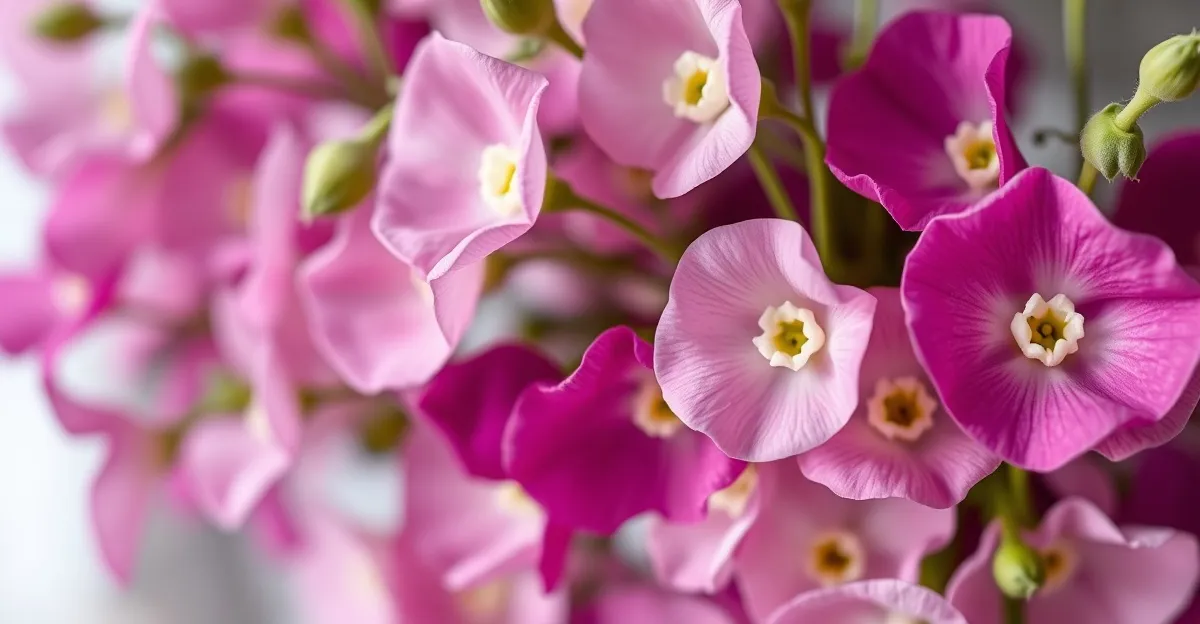
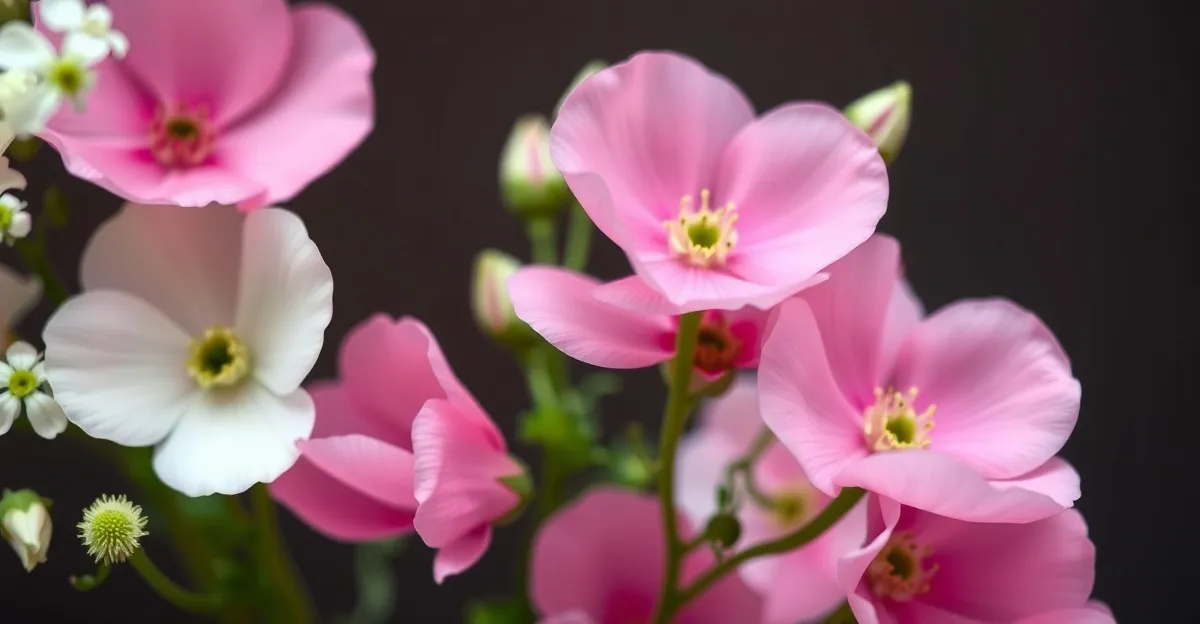
Sweet pea is one of those flowers that people immediately associate with a feeling before they can name exactly what it is. Delicate, ruffled, intensely fragrant in the right variety, with tendrils that curl and reach — there's something undeniably romantic about them. In Bali's flower market, they're one of the first things visitors pick up just to smell, hovering over a bucket of mixed stems before realising the scent is coming from a flower they half-remember from childhood.
Understanding what sweet pea means — in the language of flowers, in different cultural contexts, and in the practical terms of who to give them to and when — makes them more than just a pretty choice. They're a flower with genuine communicative power if you know what you're saying with them.
The origins of sweet pea symbolism
Sweet pea (Lathyrus odoratus) was discovered on the island of Sicily and first described formally by a Sicilian monk, Francesco Cupani, in 1695. He sent seeds to a colleague in England, and from that point the flower entered European cultivation with extraordinary speed.
By the 18th century, sweet pea was established in English gardens. By the Victorian era — the golden age of floriography, the language of flowers — it had accumulated a clear symbolic meaning: blissful pleasure, delicate pleasure, thank you for a lovely time, and in some readings, departure or goodbye.
This "goodbye" association comes from a tradition of giving sweet peas to departing guests as a thank-you for their visit — the idea that their time with you had been a delicate, precious pleasure. This is still the most emotionally precise reading of sweet pea: it says "I'm grateful for what we shared."
The deeper meaning around new beginnings and springtime comes from the flower's seasonal nature in temperate climates — it blooms in spring and early summer, making it culturally associated with fresh starts and renewal.
Sweet pea in the language of flowers
In the Victorian floral lexicon:
- Sweet pea (general): Blissful pleasure, delicate pleasure, thank you for a lovely time
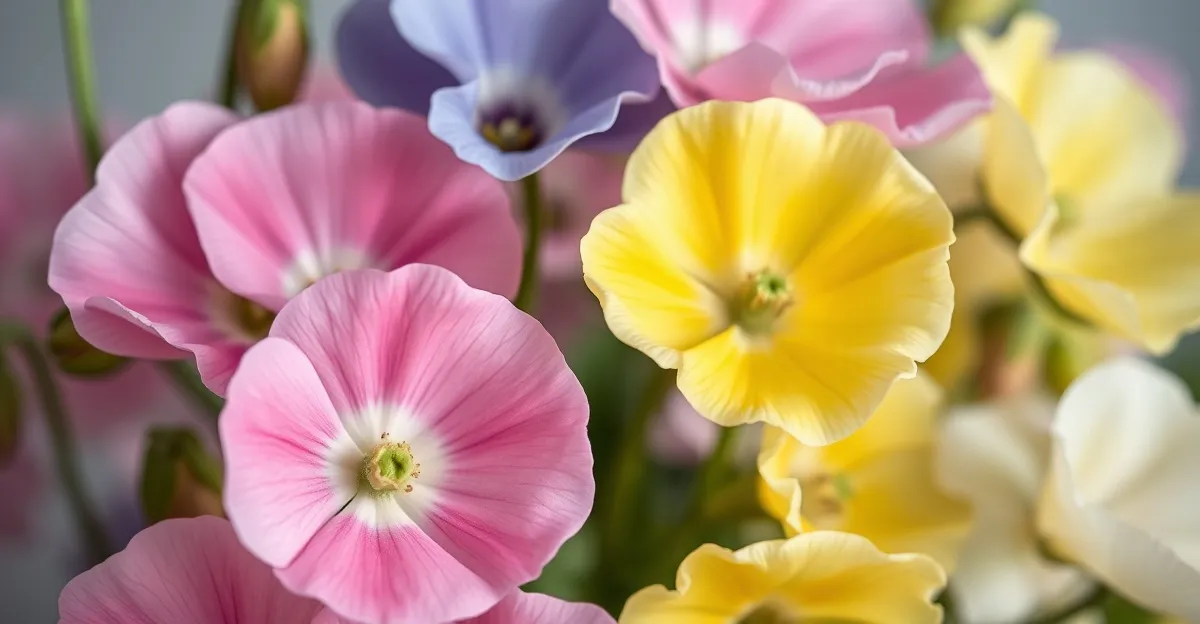
- Pink sweet pea: Affection, friendship, a gentle romantic feeling
- White sweet pea: Innocence, purity, a tender new beginning
- Purple/lavender sweet pea: Gratitude, nostalgia, a sense of something precious
- Red sweet pea: A strong, sometimes passionate feeling — used less in formal floriography, more modern in interpretation
The overall register of sweet pea is gentle and affectionate rather than passionate or dramatic. It speaks in a soft voice — which makes it perfect for moments that call for warmth without intensity.
What occasions call for sweet pea
Thank-you gifts: This is sweet pea's strongest suit. If someone has done something genuinely kind — hosted you for dinner, helped you through a difficult time, mentored you in some way — sweet peas say thank you with more specificity than a generic bouquet. In Bali, this is a lovely gesture for a villa host, a Balinese colleague who has gone out of their way, or a friend who has been consistently generous.
Births and new arrivals: The "new beginnings" symbolism makes sweet pea appropriate for welcoming a new baby. Combined with white or soft pink blooms, a sweet pea arrangement for a new mother in Sanur or Ubud is gentle and meaningful.
Friendship gestures: Sweet pea carries no romantic weight when given in the right color (pink, white, or lavender). A bouquet for a friend's birthday or to mark a milestone in a friendship reads as warmly affectionate without ambiguity.
Wedding anniversaries: Particularly for early anniversaries — first, second, fifth — sweet pea's sense of shared pleasure and gratitude is appropriate. For a longer marriage, you might want to balance it with more robust flowers.
Apologies: The "thank you for your patience" reading works here too. Sweet pea in soft pink or white with a sincere note can be a graceful way to acknowledge that you've put someone through something difficult.
Farewells and departures: The original "goodbye" meaning. If someone is leaving Bali after a long stay, a small bunch of sweet peas is a genuinely historically grounded gesture with a specific message.
Sweet pea as a gifting choice in Bali
In Bali's flower culture, sweet pea occupies the Western floristry space rather than traditional ceremony. It's neither part of Balinese ceremonial offerings nor a flower with any specific Indonesian cultural association — which means it's a neutral, affectionate choice for gifts within the expat community, tourist visitors, and internationally-minded Balinese friends and colleagues.
What makes it particularly valuable in Bali is its relative scarcity and distinctive scent. Most sweet pea sold in Bali is sourced from highland Java or occasionally imported, which means it has a "special occasion" feeling rather than being an everyday flower. When you show up with sweet peas, people notice.
For comparison of another fragrant, softly symbolic flower popular in Bali's gifting context, pastel flower bouquets and when to give them covers how soft-toned arrangements read in different social contexts.

The team
your florists
weekly subscription · Bali
We write about flowers because we love them. We deliver them because someone should — properly, weekly, across Bali.
— heyflowerPay once for 3, 6, or 12 months, no auto-renewal.
What sweet pea says that other flowers don't
Roses say romance or respect. Sunflowers say joy and warmth. Lilies say elegance or formality. Sweet pea says something more specific: this moment between us was precious, and I wanted you to know I felt it.
That level of specificity is rare in flowers. Most blooms are general-purpose. Sweet pea is personal. It asks for a moment of genuine feeling between giver and recipient — which is why it works best given in person, with a sincere word, rather than as a corporate gift or a casual delivery.
If you're sending flowers to someone in Bali after spending time together — a dear friend who visited, a colleague who worked on something meaningful with you, a family member who came and went too quickly — sweet pea is as close to a perfect choice as flowers get.
Pairing sweet pea with other flowers
Sweet pea's delicate scale means it needs thoughtful pairing. Heavy flowers overwhelm it. The best companions:
- Garden roses (especially open-cupped varieties) in complementary colors
- Lisianthus for a soft, ruffled texture match
- Stock flower for fragrance layering — both are scented and the contrast in form (spike vs. individual florets) is beautiful
- Gypsophila (baby's breath) for the classic romantic pairing
- Eucalyptus for a botanical, garden-gathered look
Avoid pairing with dramatic, large-headed tropicals (bird of paradise, heliconia, anthurium) — sweet pea's delicacy reads as timid next to those strong forms.
FAQ
What is the primary meaning of sweet pea? Blissful pleasure and gratitude — traditionally used to say "thank you for a lovely time" or to express affectionate appreciation.
Are sweet peas appropriate for romantic gifting? Yes, particularly in pink and red. They convey affection and gentle romantic feeling rather than passionate intensity, making them suitable for early-stage romance or tender, established relationships.
What is the "goodbye" meaning of sweet pea? Historically, sweet peas were given to departing guests to express that their visit had been a precious pleasure. This makes them appropriate for farewell gifts when someone is leaving Bali.
Are sweet peas easy to find in Bali? They're available through florists and the Badung market, particularly in the dry season (May–September) when highland Java supply is strongest. They're not always in stock year-round.
Can I use sweet peas in a Balinese ceremony context? Sweet pea has no established role in traditional Balinese ceremonial offerings. It works best in social and gift contexts rather than ritual ones.
Ready to bring fresh flowers to your Bali home or event? Explore our weekly flower subscription and get handpicked blooms delivered to your door every week.
More on Sweet pea