Restaurant flower subscription ideas for Bali venues
Practical flower subscription strategies for Bali restaurants — from Ubud's jungle cafes to Seminyak fine dining — covering placement, species, and weekly delivery logistics.
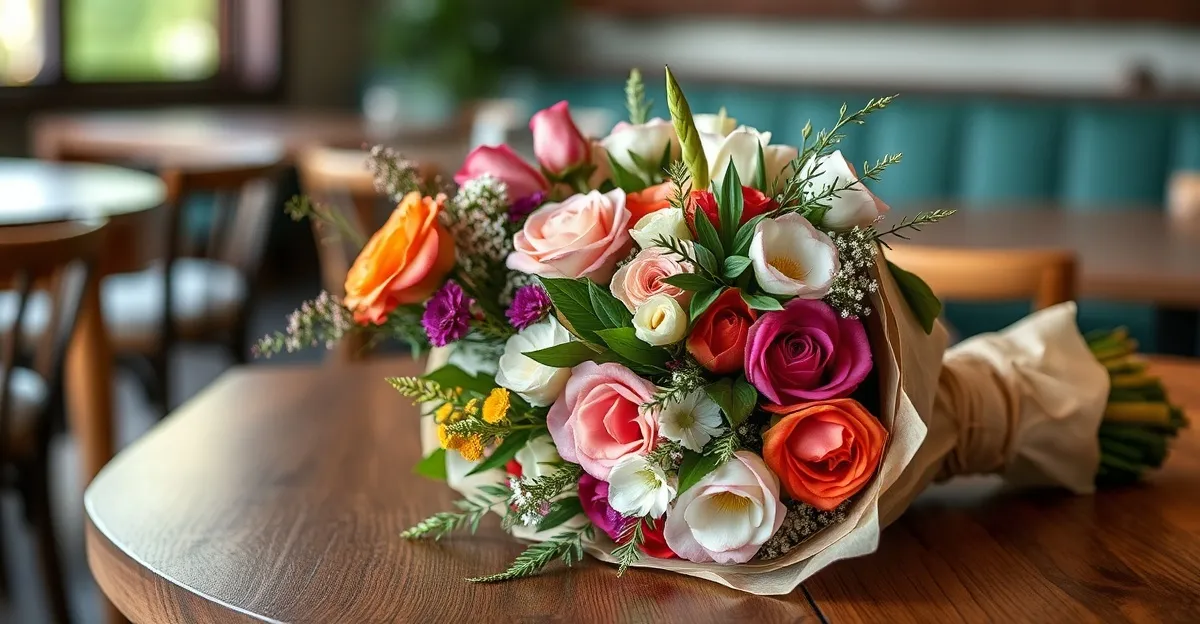
Walk into any restaurant that gets it right and you'll notice the flowers without consciously registering them. They're just there, adding warmth and colour to the space, making the tables feel considered rather than generic. Walk into one where flowers are an afterthought — a plastic orchid in the corner, or a wilted arrangement someone forgot to replace — and you feel the difference without being able to name it.
For Bali restaurant owners and managers, fresh flowers are a standard part of the aesthetic toolkit. The island's dining scene is competitive enough that every detail matters, from the playlist to the plating to what's sitting on the table between guests and the candle. Getting flowers right consistently is harder than it looks.
A flower subscription solves the sourcing and consistency problem. Here's how Bali restaurants are making it work.
Matching the arrangement to the restaurant's character
Bali has an extraordinarily diverse restaurant scene, and the right flower approach for each venue is different. A rustic wood-fired pizza place in Canggu doesn't need the same flower program as a fine-dining tasting menu restaurant in Seminyak.
Think about scale and texture. Casual cafes do well with simple bud vases on tables — a single stem or two in a small vessel, changed weekly. It's low-cost, low-maintenance, and genuinely charming without looking overdone. A three-stem arrangement of locally grown garden roses or seasonal blooms in a small vase on every table across a 20-table cafe costs relatively little but dramatically changes how the space reads.
More formal venues can invest in larger statement arrangements at the entrance, the host stand, and the bar, with smaller table arrangements scaled to complement them. The entrance arrangement does the most work — it's what guests see first and often photograph before they're seated.
For venues that lean into Balinese aesthetic — carved wood, traditional textiles, offerings at the entrance — arrangements that incorporate local elements work beautifully. Tropical foliage, heliconia, frangipani where appropriate, mixed with garden flowers for texture and colour depth.
Practical delivery logistics for restaurants
Restaurants operate on tight timelines and the people running them are busy. A flower subscription only works if the logistics are seamless.
The ideal delivery window for most Bali restaurants is early morning before service begins — between 7am and 10am. This gives kitchen and front-of-house staff time to distribute arrangements before guests arrive. Monday morning delivery sets the restaurant up for the week.
If your busiest days are weekend evenings, consider whether a Monday delivery still gives you reasonable quality by Saturday night. For high-humidity venues — particularly open-air restaurants in Ubud or beachfront properties in Seminyak — arrangements may need refreshing mid-week. Some restaurants build in a mid-week top-up delivery for their entrance or bar arrangements while table arrangements stay for the full week.
Communicate your layout clearly with your florist. How many tables? What's your table arrangement size preference? Are there specific display points — a bar, a host stand, a feature wall — that need their own piece? The more specific you are, the more consistently the subscription delivers.
Flower species that work in restaurant environments
Restaurants present specific challenges: candlelight in the evenings, air conditioning in some sections, open-air exposure in others, staff handling arrangements multiple times per day, and guests reaching across them.
For table arrangements, you want flowers that are sturdy enough to handle being bumped, compact enough not to block conversation across the table, and fragrant enough to add to the atmosphere without overwhelming the food aromas. Garden roses, carnations (which get unfairly maligned), lisianthus, and compact spray arrangements all work well.
For entrance and bar arrangements where size can be more dramatic, you have more flexibility. Anthuriums, tropical foliage, birds of paradise, and seasonal garden flowers in mixed arrangements all read well in restaurant environments.
Avoid flowers with very heavy fragrance in enclosed dining rooms — strong lilies can overpower a meal. And in Bali's heat, anything very delicate will struggle at outdoor tables. Have an honest conversation with your florist about your venue's specific conditions.
Pairing snapdragon with other blooms: a florist's guide is worth reading for ideas on mixing species in restaurant-scale arrangements where visual interest matters more than single-species purity.
Budget-conscious approaches for smaller venues
Not every Bali restaurant is operating on a hospitality group's budget. Small cafes and independent restaurants can still build a meaningful flower program on a tight budget — the key is choosing consistency over size.
One strong arrangement at the entrance or bar, changed weekly, costs far less than trying to put fresh flowers on every table. Guests notice the entrance piece and photograph it. A simple flower on each table can be achieved with inexpensive seasonal stems — a few stems of something cheerful in a simple glass bottle or jam jar, which has its own charm in a casual setting.
The economics of a subscription also help here. Consistent weekly ordering typically costs less than ad-hoc purchasing from the pasar, because you're planning ahead and your florist can source efficiently. You might spend Rp 600,000–800,000 per week for a small cafe subscription and get consistently better quality than irregular market purchases.
Event flower packages for a rice field pavilion in Bali has ideas on high-impact, budget-conscious flower approaches for Bali venues that can be adapted for restaurants.

The team
your florists
weekly subscription · Bali
We write about flowers because we love them. We deliver them because someone should — properly, weekly, across Bali.
— heyflowerPay once for 3, 6, or 12 months, no auto-renewal.
Communicating with your florist
The most successful restaurant flower subscriptions are ones where there's a genuine working relationship between the venue and the florist. WhatsApp communication in Bali is standard and works well for this.
Share photos of your space. Tell the florist what's not working — a particular arrangement was too tall and blocked sightlines, or a certain flower wilted faster than expected. Give feedback on what worked brilliantly — which arrangements guests commented on or photographed.
Good florists will incorporate that feedback and refine the subscription over time. After a few months, your weekly delivery should feel very dialled-in to your specific space and style.
Give advance notice for special occasions: Valentine's Day, Mother's Day, a private dining event, a restaurant anniversary. These are opportunities to upgrade the standard subscription to something more special, and good florists can accommodate this with enough lead time.
FAQ
How many arrangements does a typical restaurant need per weekly delivery? A small cafe with 10-15 tables typically needs one entrance/bar statement arrangement plus individual table arrangements. Larger restaurants might have three or four display points at different sizes. Start minimal and expand as you understand what works.
Can we pause the subscription when the restaurant closes for holidays? Yes. Most subscription services allow pauses for venue closures — essential in Bali where many restaurants take breaks during Nyepi or around Christmas. Confirm the pause policy before signing up.
What's the minimum budget for a restaurant flower subscription? For a small cafe in Bali, a meaningful subscription starts around Rp 600,000–900,000 per week. This covers a statement entrance arrangement and simple table bud vases for a modest-sized dining room.
How do we keep arrangements fresh through the week in a hot, open-air restaurant? Choose hardy tropical species for exposed positions. Change the water in table vases every two days. Trim stems at an angle when replacing water. Keep arrangements away from the hottest direct afternoon sun.
Should we coordinate flower colours with our restaurant's colour palette? It helps. Communicating your brand colours to your florist — or sharing photos of the interior — allows them to curate arrangements that feel deliberately considered rather than generic. It makes a visible difference in how guests perceive the overall design.
Ready to bring fresh flowers to your Bali restaurant without the weekly sourcing stress? Explore our weekly flower subscription and get handpicked arrangements delivered to your door every week.



