Red Rose Meaning and When to Give Them
Red roses say 'I love you' more clearly than any other flower — but the cliché is real. Here's how to gift them with intention, plus when to skip them.
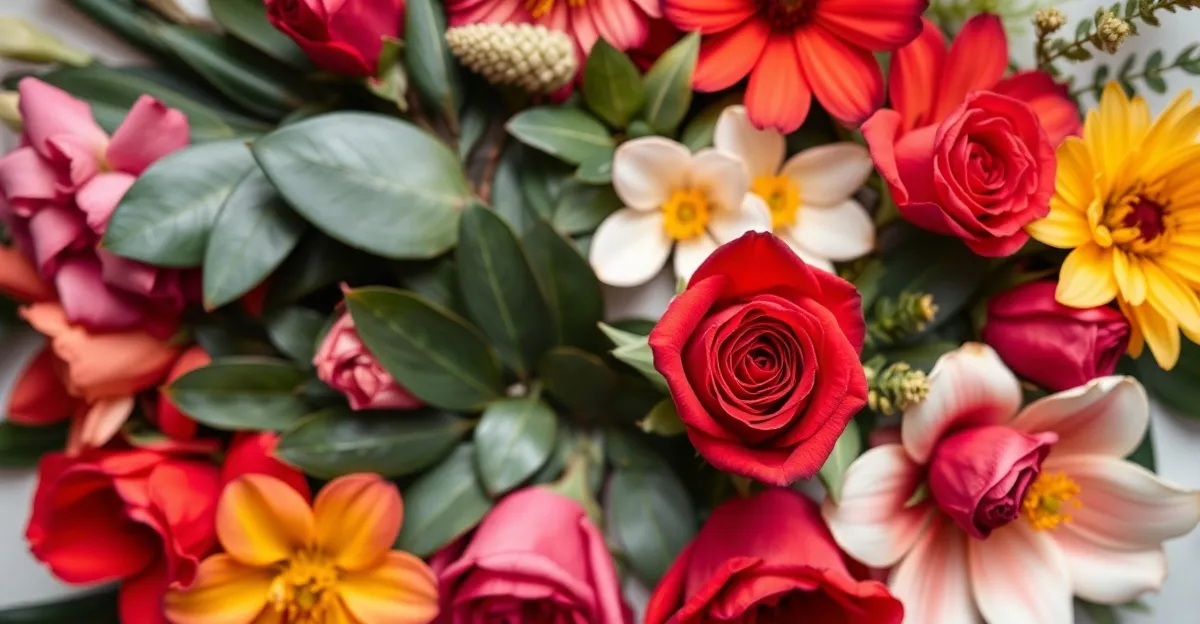
The red rose is the most decoded flower on earth. You don't need to explain a bouquet of red roses to anyone — the message is preloaded into the petals. Romantic love. Desire. Devotion. A red rose tells the recipient that you mean it, and it tells everyone in the room exactly what kind of moment they've walked into.
That universality is also the red rose's biggest problem. Because the meaning is so obvious, lazy gifting reads as lazy. A petrol-station bouquet on Valentine's evening doesn't say "I love you" so much as "I remembered." If you want red roses to actually land, you have to think a little harder than the average sender.
What the Red Rose Actually Means
The dominant meaning is romantic, passionate love — the kind you'd write into a wedding vow or a love letter. This isn't ambiguous. Across cultures, eras, and languages, red has been the colour of the heart's brighter weather, and the rose has been the flower of beauty, longing, and erotic attention. Put them together and you get a symbol that has survived empires.
Underneath that headline meaning, there are subtler shades. A deep, almost-burgundy red leans toward enduring love — the long-haul kind, weathered and serious. A bright crimson is more celebratory, the rose of new declarations and confident joy. A cherry red sits somewhere in the middle: alive, expressive, slightly playful. The deeper the colour, the more weight it carries; the brighter, the more energy.
Red roses also carry secondary meanings worth knowing. They communicate respect — which is why they're given to performers after a recital, to grandmothers on milestone birthdays, to leaders being honoured. They communicate courage and admiration. And in some literary traditions, a single red rose has stood for sacrifice, for the willingness to give something of yourself. That's a heavier register, but it's there in the lineage.
When to Give Red Roses
The obvious answers are the right ones. Valentine's Day is the busiest red-rose day of the year for a reason — the flower and the holiday were made for each other. Anniversaries, especially the bigger ones (one year, five, ten, twenty-five), call for red roses almost by default. Engagement nights, vow renewals, the night after a long fight finally ends — these are red-rose territory.
The more interesting question is when red roses do real work beyond the obvious. They land beautifully when used to mark a private milestone the recipient cares about: the day a partner finished their PhD, the night they signed a lease on the place you're moving into together, the morning after a difficult medical result came back clean. A small bunch of red roses with a note that names the moment is worth ten generic dozens. Specificity is the antidote to cliché.
Red roses also work as a recovery gesture. After a real argument — not a tiny one, not a manufactured one — a quiet bouquet of red roses can do work that words struggle with. The flower carries weight. Don't overload it with apology, just let it sit.
When NOT to Give Red Roses
There are situations where red roses actively misfire. A first date is the classic one — a dozen red roses delivered to someone you've met twice imports an intensity the relationship hasn't earned. It can read as overwhelming, possessive, or just weird. Pink or peach roses, or a single red stem, do the same emotional work without the pressure.
Professional contexts are another minefield. Red roses to a colleague, a client, or a boss carry romantic implication whether you want them to or not. For a work celebration, choose yellow, white, or mixed arrangements instead.
In Bali specifically, watch out for ceremonial contexts. While red is generally an auspicious colour in Balinese Hindu tradition, large red-rose bouquets are read as Western romantic symbols and can feel out of place at temple events or family ceremonies. For traditional occasions, ask your florist or host what's appropriate before defaulting to roses.
Pairings and Arrangements
Red roses are confident enough to stand alone, but they almost always look better with company. Baby's breath is the classic frame — a haze of small white flowers that throws the red into relief without competing. Eucalyptus adds a fresh, slightly herbal counterpoint that keeps the bouquet from feeling formal. Deep green tropical foliage — monstera leaves, ferns — gives the arrangement a lush, anchored quality that suits Bali's visual language better than the European fern-and-pink-ribbon look.
For something more unusual, pair red roses with white lisianthus for a bridal-elegant feel, or with dark burgundy dahlias for a moody, autumnal tone that photographs exceptionally well. A single red rose tucked into a frangipani arrangement is a beautiful Bali-specific gesture that bridges Western romance and local floral culture.
Red Roses in Bali
Red roses are widely available in Bali year-round, mostly imported from highland farms in Java and from Holland, with some local growers in the Bedugul region producing seasonal stems. Quality varies — the best red roses you'll find on the island come through florists who source carefully and store properly. Cheap roses bought roadside often arrive already past their peak and won't last more than a day or two in Bali's heat and humidity.
For weddings in Bali, red roses are a frequent choice for romantic, intimate ceremonies, often imported in bulk and arranged on the day. For everyday romantic gifting — anniversaries, birthdays, surprise deliveries — local florists like heyflower handle the logistics so you don't have to think about cold-chain or villa addresses.

The team
your florists
weekly subscription · Bali
We write about flowers because we love them. We deliver them because someone should — properly, weekly, across Bali.
— heyflowerPay once for 3, 6, or 12 months, no auto-renewal.
How to Choose a Good Red Rose
A good red rose has tightly closed buds that haven't fully opened yet — you want them to bloom in the recipient's vase, not on the way to the door. The stems should be firm, the leaves a clean dark green without yellowing, and the petals free of brown edges or bruising. Smell matters too: a real rose has a real scent, faintly sweet and slightly green. If the rose has no scent at all, it's likely a long-haul variety bred for transport rather than fragrance.
Look for the variety name if your florist provides it. "Red Naomi" and "Explorer" are two of the more reliably beautiful red rose varieties available in Southeast Asia, with deep colour, large heads, and good vase life. Browse our flower arrangements or find a florist near you on the Bali florist directory for sourcing options.
Frequently Asked Questions
How many red roses should I send for a romantic gift?
A dozen is the classic count and reads as a clear romantic statement. Six roses are slightly less intense — affectionate without being a full declaration. A single rose, well-presented, can be more powerful than a bouquet for the right person and moment.
Are red roses appropriate for a new relationship?
It depends on how new. For a first or second date, red roses can feel like too much. For a relationship that's three or four months in and clearly serious, a small bunch of red roses to mark a milestone is lovely. Trust your read of where the relationship is, not the calendar.
Do red roses last well in Bali's climate?
Yes, with care. Keep them in air-conditioning when possible, change the water daily, and trim the stems at an angle every two days. Roses bought from a quality florist with proper cold-chain handling will last five to seven days indoors.
What's a good alternative to red roses for Valentine's Day?
If you want to express romantic love without the cliché, pink peonies, deep red tulips, or a mixed arrangement of red roses with seasonal Bali flowers all carry the message beautifully. The key is that you've thought about the recipient specifically.
A red rose still does its job better than almost any other flower. The trick is to make sure the gesture is yours — that you've thought about the recipient, the occasion, and the version of love you're trying to communicate. Done with care, the cliché disappears and what's left is just the message, said clearly.



