Nyambutin (baby welcoming) flower arrangements
Nyambutin is the Balinese Hindu baby-welcoming ceremony performed 12 days after birth. Discover which flowers are used, their meaning, and gift ideas for new parents.
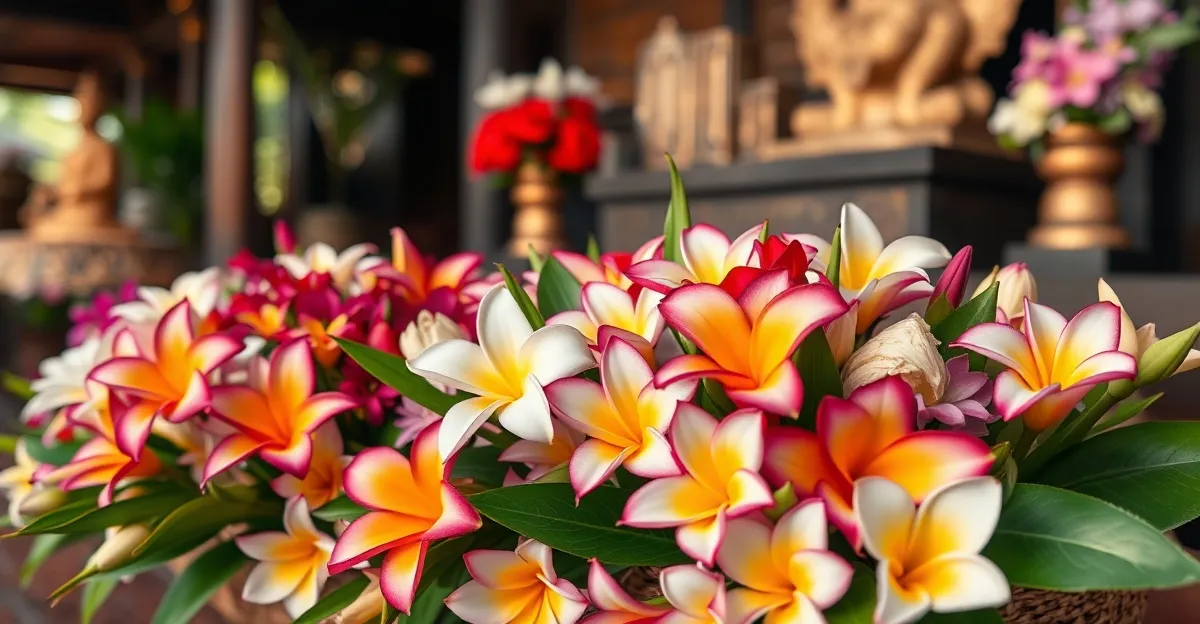
Twelve days after a baby is born, Balinese Hindu families perform nyambutin — the ceremony that formally welcomes the newborn into the human world. Until this ceremony is complete, the baby is considered to still be partially in the spiritual realm. The ritual includes prayers, offerings, the first touching of the baby's feet to the ground (a profoundly symbolic moment), and an elaborate set of offerings that include flowers at every level.
If you've been invited to a nyambutin ceremony, or if you want to send a meaningful gift to Balinese friends who have just had a baby, understanding the role of flowers in this ritual will help you choose well.
What nyambutin means and why flowers matter
Nyambutin (sometimes spelled nyambutan) comes from the word "sambut," meaning to receive or welcome. The ceremony is about receiving the soul of the child into this earthly life and introducing them to the elements: earth, water, fire, wind, and ether. The newborn's feet are placed on the ground for the first time, and prayers are offered to the ancestors and deities to protect the child.
Flowers are integral because offerings (banten) in Balinese ceremony are almost always flower-inclusive. The colours, arrangements, and types of flowers in ceremony offerings each carry intention. A well-made nyambutin offering reflects the family's gratitude, respect, and care for the new life they're welcoming.
Flowers used in nyambutin ceremony offerings
White frangipani (jepun putih): Present in nearly every ceremonial offering, but especially significant in nyambutin because white represents purity — the untouched soul of a newborn. Frangipani petals are often scattered and used in the water bowl (tirta) that's used for blessing.
Yellow marigolds (gumitir): The backbone of most Balinese offerings. In nyambutin, marigolds appear in canang sari offering trays, in the penek (large ceremony offerings), and often woven into decorative displays on the ceremony table.
Red hibiscus (pucuk bang): Red flowers in Balinese ceremony represent the energy of the earth and Brahma, the creator deity. For a birth ceremony celebrating new life, red hibiscus is culturally fitting.
Kemoning (white champak): Its sweet, clean scent and association with the divine makes white champak a ceremony staple. It appears in high offerings in nyambutin.
Pink water lily or lotus: When available, lotus or water lily flowers appear in nyambutin offerings because of their symbolic association with spiritual emergence — the same way a lotus rises clean from muddy water, the newborn arrives pure into the world.
Canang sari flowers: The daily offering trays that every Balinese household prepares include small pieces of fragrant flowers — frangipani, marigold, gardenia, and champak — arranged by colour direction (east, south, west, north). At a nyambutin ceremony, dozens of canang sari may be prepared.
Gift flowers for non-Balinese visitors
If you're a friend, colleague, or neighbour attending or acknowledging a nyambutin, you don't need to arrive with ceremonial offerings. That's the family's responsibility. What you bring as a gift is separate from the ceremony offerings.
Some good options:
A tropical flower arrangement in soft, warm tones: Think peach, soft yellow, pale pink, and white. Avoid all-white (that can signal mourning in some contexts) or very dark, heavy tones. Orchids, anthuriums, frangipani, and marigolds in a mixed arrangement work beautifully.
A living plant: A small tropical flowering plant — a peace lily, a kalanchoe, or even a bromeliad — is a gift that keeps growing as the child grows. Balinese families often appreciate this symbolism.
Flower-and-practical-gift combo: Flowers paired with a simple practical gift for the baby or mother (a fine fabric, a wooden toy, a practical household item) is a warm, understood gesture. The flowers elevate the whole package.
For ideas on gifts for new parents more broadly, new baby flower subscription ideas that keep giving has good suggestions for ongoing support after the ceremony.
Colours and their significance in nyambutin florals
Balinese colour symbolism is directional: white for east and purity, red for south and creation, yellow for west and prosperity, black or dark blue for north and protection. In a nyambutin ceremony, offerings are typically placed in all four directions, so flowers of all four colour groups appear.
When assembling a gift arrangement, a mix of white, soft yellow, and pale pink tends to read as celebratory and appropriate for a baby context without inadvertently crossing into ceremonial colour territory. If you're uncertain, ask your florist to guide you toward what feels right for welcoming a newborn in Bali.

The team
your florists
weekly subscription · Bali
We write about flowers because we love them. We deliver them because someone should — properly, weekly, across Bali.
— heyflowerPay once for 3, 6, or 12 months, no auto-renewal.
Timing the ceremony and when to visit
Nyambutin happens on the 12th day after birth, which in Balinese time follows the Pawukon calendar (the 210-day Balinese calendar cycle that determines many ceremony dates) alongside the wuku and uku cycles. The specific date is often set by a Balinese priest (pedanda) based on the baby's birth date and day of the week in the Balinese calendar system.
Families are usually happy to receive visitors and gifts in the day or two after the ceremony rather than during it — the ceremony itself is a family and close-community event. If you're sending flowers from outside Bali or can't attend, sending them on the ceremony day or the day after is appropriate.
Regional variations across Bali
Nyambutin practices vary between different Balinese communities. In Ubud and the highland villages, ceremonies tend to be more elaborate and longer-lasting, with multiple priest-led prayer sessions. In Denpasar and the more urbanised southern areas, ceremonies may be more condensed. In some parts of Karangasem and North Bali, slightly different flower types or arrangements may be traditional — local flowers that grow abundantly in those regions.
If you're unsure about what's most appropriate for a specific family, ask. Balinese families are usually warm and happy to explain their ceremony needs and what kind of support or gift would be meaningful.
FAQ
When exactly does nyambutin happen? On the 12th day after the baby's birth, based on the Balinese calendar. A priest may advise on the specific auspicious time within that day.
What flowers should I bring to a nyambutin as a non-Balinese guest? A mixed tropical arrangement in soft tones — white, pale yellow, peach, and pink — is warm and appropriate. Include some frangipani or marigold if possible, as these flowers have specific positive resonance in Balinese culture.
Is it okay to give flowers in an all-white arrangement? In some Balinese contexts, all-white can be associated with funeral ceremonies. It's safer to mix white with other warm tones for a baby welcoming gift.
Can I order a flower arrangement for nyambutin if I'm not on the island? Yes — local Bali florists can arrange and deliver on your behalf. Include a card explaining the occasion and your relationship to the family.
Do Balinese families appreciate non-traditional flowers at nyambutin? Generally yes, especially from non-Balinese friends. The gesture matters more than strict adherence to ceremony flower types. Avoid flowers with strong negative associations (some people consider all-yellow chrysanthemums as funeral flowers in parts of Asia), and you'll be fine.
Ready to bring fresh flowers to your Bali home or event? Explore our weekly flower subscription and get handpicked blooms delivered to your door every week.



