How to ship dried flowers internationally from Bali
Sending dried tropical flowers from Bali overseas requires navigating customs rules and packaging carefully. Here's a practical guide to shipping them legally and safely.
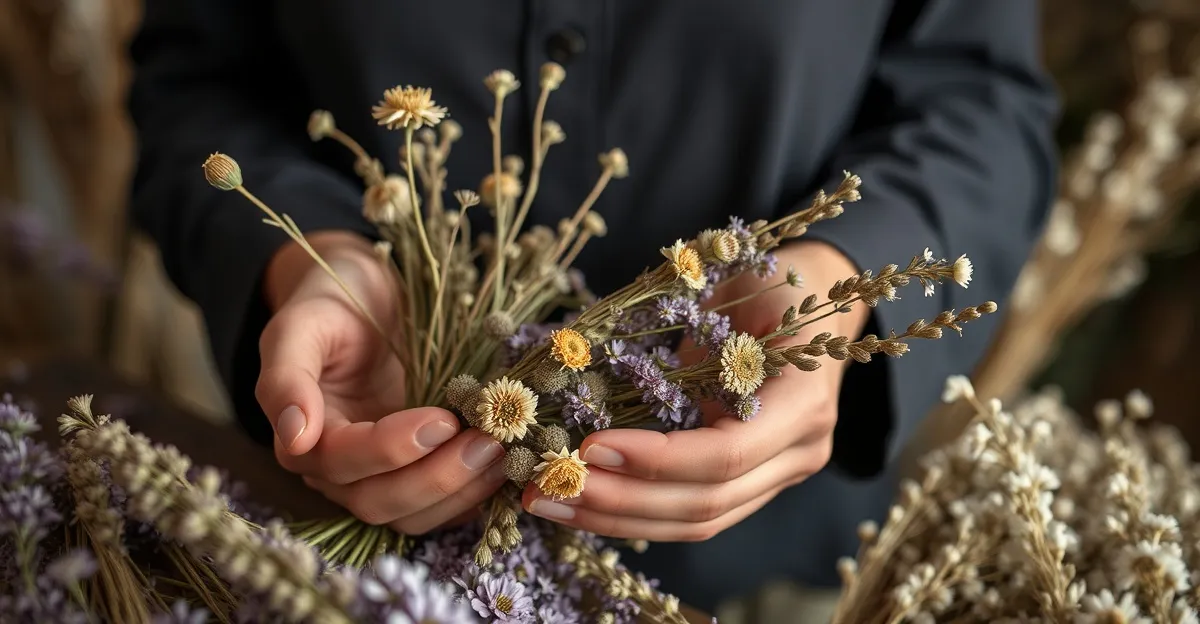
Bali's tropical flora produces extraordinary dried flowers — frangipani, hibiscus, lotus petals, exotic seed pods, and palm materials that simply don't exist in most parts of the world. The idea of shipping a package of pressed Bali flowers home, or sending dried arrangements to someone overseas, is very appealing. But international plant material shipping involves regulations that catch many people off guard.
This guide covers what's legal, what's not, how to package dried botanical material safely for international shipping, and the practical process for sending from Bali.
The regulatory reality: biosecurity rules are serious
Every country has biosecurity regulations that control the import of plant material — dried or fresh. These rules exist to prevent plant pests and diseases (including insects, fungi, and bacteria that may be dormant in dried material) from entering new countries and damaging agriculture or local ecosystems.
The key point: dried does not mean unrestricted. Even dried flowers, pressed botanical material, and seed pods may be subject to quarantine inspection, require phytosanitary certificates, or be prohibited entirely depending on the destination country.
Major destination countries and their rules (as of early 2026, but always verify before shipping as rules change):
Australia and New Zealand: Among the strictest biosecurity regimes in the world. Many dried plant materials are prohibited or require pre-approval. Dried flowers without seeds or soil, commercially processed, may be acceptable — but anything with seed material, bark, or unknown botanical content faces significant scrutiny. Phytosanitary certificates from Indonesia are required for most plant material and even then, items may be confiscated at the border.
United States: Generally allows many dried botanicals but has restrictions on items that could harbor insects or diseases. Properly dried and commercially processed materials with no seeds or soil are often acceptable. A phytosanitary certificate strengthens the shipment's case. Raw or artisanal processed material is riskier.
European Union: More permissive than Australia for many dried botanicals, but specific restrictions apply for wood-based materials, certain seeds, and materials from tropical countries under plant health regulations. Phytosanitary certificates are required for plant material shipments from Indonesia to EU countries.
Japan: Strict but workable — dried botanical material typically requires a phytosanitary certificate from the Indonesian Ministry of Agriculture. Commercial quantity shipments require additional documentation.
Other Southeast Asian countries and many others: Often less strict regulations for plant material between tropical countries.
Getting a phytosanitary certificate in Bali
A phytosanitary certificate is issued by the Indonesian Ministry of Agriculture (Kementerian Pertanian) and certifies that the plant material in a shipment has been inspected and is free from pests and diseases.
To obtain one:
- Bring your dried botanical material to the nearest Plant Quarantine office — the main one for Bali is at the Ngurah Rai International Airport area in Tuban, or through the Denpasar office.
- The material is inspected by a quarantine officer.
- If it passes inspection, the certificate is issued — this typically takes one to three working days.
- The certificate fee is modest (around Rp 50,000–200,000 depending on the shipment).
This process is most practical for planned, larger shipments. For a single package of pressed flowers, some people ship without a certificate and declare the content honestly — some shipments pass through without issue, but this is a risk and the recipient country's customs officers have the authority to confiscate the material regardless.
What can be shipped more freely
Some dried botanical materials have fewer restrictions than others:
- Fully dried, processed flowers with no remaining seeds or soil
- Commercially dried and packaged materials (store-bought potpourri, for example)
- Pressed flowers and petals that have been fully dried and mounted (in frames, for instance)
- Wood-free, bark-free dried botanical material from known common species
Materials that attract more scrutiny:
- Seed pods with intact seeds
- Any material with soil or growing medium attached
- Bark or wood-containing material
- Items from less common plant species that may be on restricted or protected lists
Lotus seed pods — popular as decorative items from Bali — often fall into a grey area. The seeds within may be germination-capable, which many countries restrict. If you want to ship lotus pods, remove all seeds first and document this clearly.
For frangipani, hibiscus petals, and common dried flower material that's well-processed and clearly decorative, many shipments pass customs without issue when declared honestly. But Australia and New Zealand remain exceptions where scrutiny is much higher.
Packaging dried flowers for international shipping
Good packaging prevents two types of damage: physical crushing during transit, and moisture ingress that can cause mold or rehydration of dried material.
Inner packaging: Wrap dried flowers in tissue paper and place in a rigid inner box or frame. For pressed flowers, they should be mounted under glass or in a sealed flat frame to prevent movement. For three-dimensional dried arrangements, use crumpled tissue or recycled paper to fill all void space and prevent movement inside the container.
Moisture protection: In the journey from Bali's humidity to an international destination, temperature and humidity changes can cause condensation inside packaging. Include a silica gel packet in the inner packaging — this absorbs any moisture and keeps dried material stable during transit.
Outer box: Use a rigid cardboard outer box. The outer packaging takes the physical shock of international courier handling, which can be rough. Double-boxing (inner box inside outer box with padding between) is ideal for fragile items.
Clear labeling: Label the outside of the package clearly: "Dried botanical material — for decoration only — no soil, no seeds." Include the phytosanitary certificate number if you have one. Unclear or incomplete declarations create delays and increase confiscation risk.

The team
your florists
weekly subscription · Bali
We write about flowers because we love them. We deliver them because someone should — properly, weekly, across Bali.
— heyflowerPay once for 3, 6, or 12 months, no auto-renewal.
Choosing a shipping service
International courier services from Bali include DHL, FedEx, and local service Tiki through their international arm. All offer options from Denpasar with international shipping capability.
DHL has experience with plant material shipping from Indonesia and their staff can often advise on documentation requirements. They don't guarantee clearance — that's customs' decision — but they're familiar with the process.
Shipping times vary: express options (DHL Express, FedEx International Priority) reach major destinations in two to five business days. Economy options take one to three weeks but cost significantly less.
For fragile dried arrangements, it's worth paying for express shipping to reduce the total time the package is in transit — shorter transit means fewer temperature and humidity cycles and less cumulative stress on delicate dried material.
FAQ
Can I carry dried flowers in my luggage when leaving Bali? Many countries allow reasonable personal quantities of clearly dried botanical decorative items, but the same rules apply as for shipping — your destination country's biosecurity controls will apply. Declare the items on your arrival customs form and be prepared for inspection.
How do I know if a specific flower is restricted in my destination country? Check the biosecurity agency for your destination: Australia's DAFF (daff.gov.au), USDA APHIS for the US, the EU's plant health portal. Alternatively, contact the Indonesian embassy or trade office in the destination country.
Is there a weight limit for phytosanitary-certified shipments? No specific weight limit for the certificate itself, but customs duties at the destination end may apply to shipments above certain value thresholds. This varies by country and declared value.
Can commercial vendors in Bali ship dried botanical products internationally? Yes — many of the artisan shops in Ubud that sell pressed flower art, dried arrangements, and botanical products ship internationally as part of their business. They often have more experience with the process and existing relationships with customs. Buying from them is an alternative to shipping yourself.
What happens if a shipment is confiscated? The destination country's customs authority will typically notify the recipient and may offer the option to re-export (ship back) the material at the recipient's cost. Items deemed biosecurity risks are more often destroyed. No refund is available from the shipping carrier for seized goods.
Bring Bali blooms into your home every week
While shipping dried flowers overseas has its complications, enjoying fresh flowers in Bali every week is easy. Explore our weekly flower subscription and get handpicked Bali blooms delivered to your door every week — no customs forms required.



