How to preserve your bridal bouquet: six methods compared
A practical comparison of six bridal bouquet preservation methods — from air drying to resin casting — with honest pros and cons for each, especially in Bali's tropical climate.
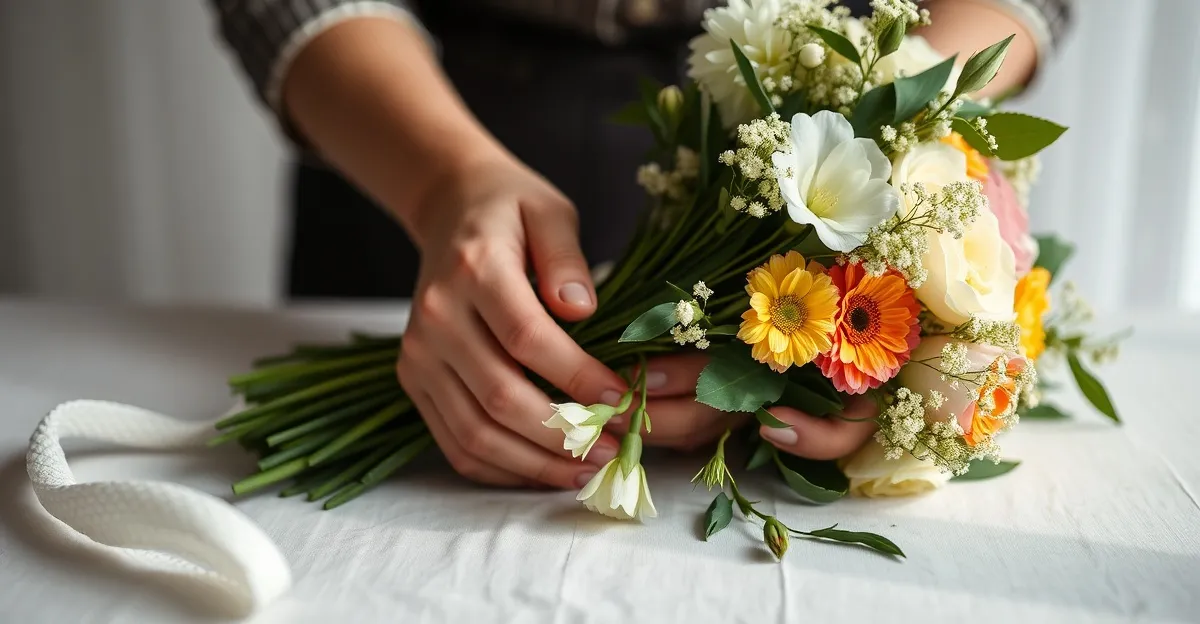
Your wedding flowers last one day. The memories last a lifetime — and so, if you choose the right preservation method, can a version of your bouquet.
Preserving a bridal bouquet is one of those decisions that most brides don't think about until after the wedding, when the flowers are already wilting and the window for the best preservation outcomes has narrowed. If you're getting married in Bali and you want to keep your bouquet, read this before your wedding day, not after.
Here are six preservation methods compared honestly — including how well each works in Bali's tropical climate.
Method 1: Air drying
How it works: Flowers are hung upside-down in a dry, dark, well-ventilated space for two to four weeks. The moisture evaporates, the flowers shrink and dry, and the arrangement holds its rough shape.
Pros: No cost, no special equipment, anyone can do it. The dried result has a classic, rustic charm that suits many aesthetics.
Cons: Colours fade significantly — particularly whites, which can yellow, and vibrant colours, which mute. Delicate flowers (peonies, sweet peas, ranunculus) often lose their form. Shrinkage is significant.
In Bali's climate: This is where the method gets tricky. Bali's high humidity — particularly during the wet season from October through March — works directly against air drying. Flowers need dry air to desiccate; Bali's air is rarely dry. You'll need a well air-conditioned space, ideally with a dehumidifier, to get good results. Don't try to air dry in an open-air villa or a non-AC room in the wet season.
Best for: Hardy flowers like lavender, roses, and eucalyptus. Less suited to tropical and delicate species often used in Bali wedding bouquets.
Result: 5–6 out of 10 for Bali conditions.
Method 2: Silica gel desiccant
How it works: Flowers are buried in silica gel crystals (available online and at craft stores in Denpasar) and left for three to seven days. The silica absorbs moisture rapidly while preserving flower shape better than air drying.
Pros: Much better colour and shape retention than air drying. Works with a wider range of flower types. Faster process.
Cons: Requires sourcing silica gel (not always easy in Bali outside of specialty stores). Individual flowers must be done separately — large arrangements need significant volumes of silica. The finished flowers are fragile and must be handled carefully.
In Bali's climate: Works significantly better than air drying because the silica gel manages the humidity problem. The airtight container required for the process insulates against ambient moisture.
Best for: Roses, carnations, gerberas, anthuriums, and most garden flowers used in Bali wedding bouquets.
Result: 7 out of 10 for Bali conditions.
Method 3: Freeze drying
How it works: A specialist freeze-drying machine removes moisture from flowers at sub-zero temperatures, preserving colour, texture, and three-dimensional form extraordinarily well. Professional freeze-dried flowers look almost fresh for years.
Pros: Best preservation outcome for colour and shape. Very long-lasting results. Works with almost any flower species.
Cons: Requires professional equipment — you cannot do this at home. Freeze-drying specialists are not common in Bali; you would need to ship flowers to a facility in Jakarta, Singapore, or your home country. Shipping fresh flowers internationally is complex and requires timing. Expensive.
In Bali's climate: The process itself is unaffected by Bali's climate since it happens in a controlled environment. Getting the flowers to a freeze-dryer in good condition is the challenge.
Best for: Couples who want museum-quality preservation and are willing to manage the logistics and cost.
Result: 9 out of 10 for outcome quality, complex logistics for Bali weddings.
Method 4: Pressing
How it works: Flowers are pressed flat between heavy objects or in a flower press, dried for two to four weeks, and then used in flat artwork: framed pieces, journals, resin projects, greeting cards.
Pros: Beautiful and versatile results. Pressed flowers can become wall art, framed keepsakes, or incorporated into other craft projects. Low cost.
Cons: Only works for flat or semi-flat flowers. Roses, peonies, and dimensional flowers lose much of their character. Results are two-dimensional.
In Bali's climate: Similar humidity concerns to air drying. Use weighted books in a dry, air-conditioned space, or a dedicated flower press. Change the absorbent paper every few days to manage moisture.
Best for: Bougainvillea petals, orchid petals, frangipani (which presses beautifully), and smaller individual flowers from the bouquet rather than the whole arrangement.
Result: 7 out of 10 — excellent for specific flowers, limited for whole bouquet preservation.
Method 5: Resin casting
How it works: Flowers or flower petals are embedded in clear resin and cast into blocks, paperweights, jewellery, coasters, or decorative objects. The resin encases the flowers permanently.
Pros: Creates genuinely beautiful, functional keepsakes. Long-lasting and protected from environmental damage. Very popular for wedding flower preservation.
Cons: Requires pressing the flowers first (or can yellow if fresh flowers are cast directly). Resin work requires some skill and equipment. Air bubbles are a common beginner problem.
In Bali's climate: Resin work is generally done indoors with air conditioning. The curing process needs a stable temperature — manageable in Bali with air conditioning but humidity should be controlled.
Best for: Petals from the bouquet incorporated into jewellery or decorative objects. Full stems in resin require very large moulds.
Result: 8 out of 10 — excellent keepsakes, requires skill or professional help.
Resin-casting pressed Bali flowers: beginner tutorial covers the resin casting process in detail — the right starting point if this method interests you.

The team
your florists
weekly subscription · Bali
We write about flowers because we love them. We deliver them because someone should — properly, weekly, across Bali.
— heyflowerPay once for 3, 6, or 12 months, no auto-renewal.
Method 6: Shadow box display
How it works: Flowers from the bouquet are air or silica dried, then artfully arranged in a deep shadow box frame with tissue paper, ribbon, and other wedding keepsakes (invitation, card, photo). The shadow box is sealed and hung as art.
Pros: Beautiful display that contextualises the flowers within the wedding story. Combines multiple keepsakes. Can be professional or DIY.
Cons: Flowers must be dried first — same challenges as methods 1 and 2. Requires sourcing shadow box frames (available in Denpasar or ordered online). Takes weeks for the full process.
In Bali's climate: The drying phase requires the same humidity management as other air-drying methods. The display phase is unaffected once flowers are sealed.
Best for: Couples who want a display piece rather than a functional object.
Result: 8 out of 10 — beautiful outcome with proper preparation.
Shadow box flower preservation: step-by-step walks through the shadow box method in full detail.
The most important thing: start immediately
Regardless of which method you choose, the window for best results is narrow. Bouquet preservation should ideally begin within 24 hours of the wedding. Every hour of wilting makes colour fading and structural degradation more pronounced.
Brief your maid of honour or a trusted friend on whichever method you're using. Have supplies ready before the wedding day. Designate someone to take the bouquet immediately after the reception and begin the process.
How to keep a wedding bouquet fresh through the ceremony covers keeping the bouquet in best condition through the ceremony itself — essential reading before you even get to preservation.
FAQ
Which preservation method works best for roses? Silica gel gives better colour and shape retention than air drying for roses. Freeze drying gives the best results of all methods. For DIY, silica gel is the recommendation for Bali's climate.
Can I preserve a bouquet that includes frangipani? Frangipani presses beautifully but doesn't air dry or silica dry as well as rose varieties. If your bouquet includes frangipani, consider pressing those flowers specifically and using other methods for the rest.
How long do preserved flowers last? Air-dried flowers: a few years with good storage. Silica dried: several years. Freeze dried: decades. Resin-cast: indefinitely, as the flowers are fully encased.
Is it possible to preserve a Bali bouquet if I'm flying home shortly after the wedding? Yes, but you need to start preservation before you fly. Fresh flowers don't hold well in checked luggage for long flights. Either begin silica drying in Bali and transport the dried flowers, or work with a Bali-based preservation specialist.
What if I missed the window and my bouquet is already wilted? Some preservation is still possible from partially wilted flowers — silica gel in particular can stabilise flowers at various stages of wilting. The colour and shape results will be less than optimal but still better than having nothing.
Your wedding flowers deserve to last. Explore our weekly flower subscription and keep fresh blooms in your life long after the bouquet has been preserved.



