How to Preserve a Magnolia Bouquet After the Event
Learn practical methods to dry, press, and preserve a magnolia bouquet after a wedding or special event in Bali — with honest guidance on what works in the tropics.
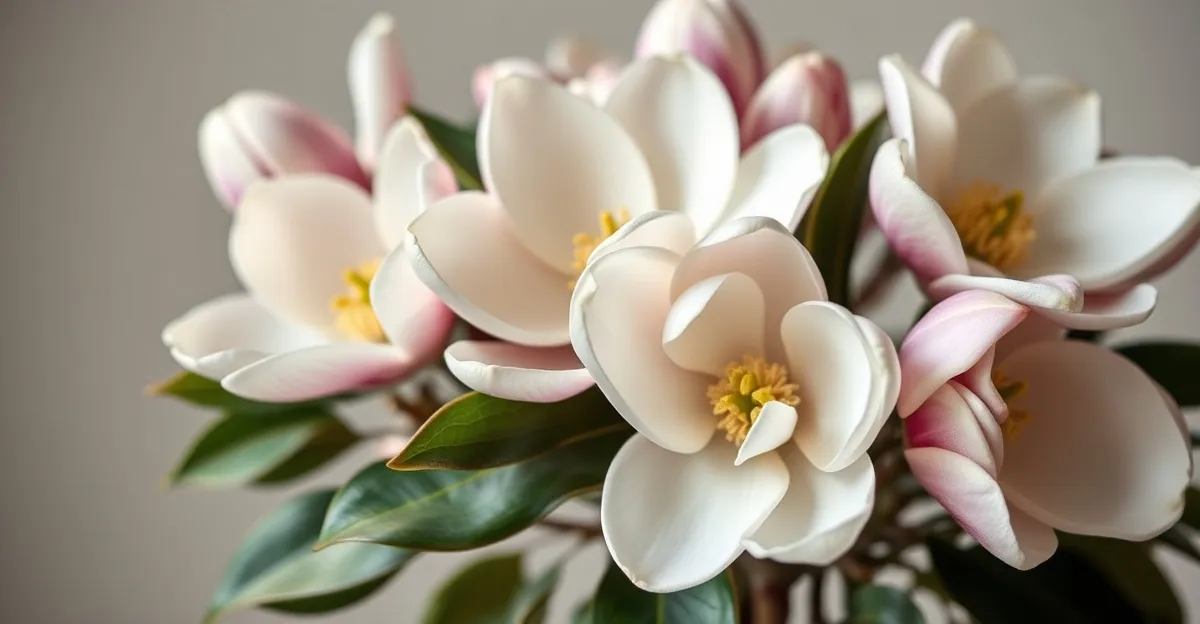
You carried it down the aisle, held it during every photograph, and now the ceremony is over. Your magnolia bouquet — so luminous and perfect this morning — is beginning its transition from fresh to spent. In Bali's tropical heat, that transition happens faster than you might hope. But if you want to preserve some element of the bouquet beyond the event itself, there are real options — some more suited to tropical conditions than others.
This guide walks through what works, what does not, and what honest expectations to carry into any preservation project.
Understanding Magnolia's Preservation Challenges in Bali
Before choosing a preservation method, it helps to understand why magnolia is harder to preserve than some other flowers.
Magnolia petals are thick, fleshy, and moisture-rich. This is what makes them so luminous and sculptural when fresh — but it is also what makes drying them difficult. The moisture content means they take longer to dry, and during that extended drying period in Bali's humidity, they are vulnerable to mold, color change, and structural collapse.
The good news is that certain preservation methods are specifically designed for high-moisture flowers, and the choice of method significantly affects the final result.
Method One: Silica Gel Drying
Silica gel is the most reliable method for preserving magnolia flowers in a humid tropical climate. Unlike air drying — which works reasonably well in cool, dry climates but struggles in Bali — silica gel actively absorbs moisture from petals, drying them quickly enough to prevent mold and preserve structure.
How to Use Silica Gel for Magnolia
- Purchase food-grade or floral silica gel crystals (available from craft suppliers or online in Bali)
- Cut magnolia stems to about five centimetres, leaving a short stem for handling
- Pour a layer of silica gel about three centimetres deep into an airtight container
- Place the magnolia blooms face-up in the gel, ensuring they do not touch each other
- Gently pour more gel around and over the petals until completely covered
- Seal the container and leave for five to seven days
- Carefully remove blooms by pouring out the gel slowly, then brushing residual crystals off petals with a soft brush
Results to Expect
Silica-dried magnolia petals will shrink slightly and shift in color — typically from fresh white or cream toward an ivory or parchment tone. They will be crisp rather than soft, but will retain much of the original bloom shape. In Bali's humidity, the dried blooms will need to be stored in an airtight environment to prevent rehydration.
Method Two: Pressing
Pressing works for individual magnolia petals rather than whole blooms — the flower's three-dimensional cup shape means pressing an intact bloom produces a flat, distorted result. However, individual pressed petals can be beautiful mounted as artwork or used in paper-making and resin projects.
Pressing Technique for Magnolia Petals
- Carefully separate the petals from the bloom
- Place petals in a single layer between sheets of absorbent paper (blotting paper or plain newsprint works well)
- Press inside a heavy book or flower press
- Change the absorbent paper after 24 hours to remove the initial burst of moisture
- Continue pressing for two to three weeks, changing paper every few days
Bali Humidity Caution
In Bali's humidity, pressed flowers are vulnerable to rehydration and mold even after pressing is complete. Store pressed petals in a sealed frame or laminated paper to protect them long-term.
Method Three: Professional Freeze-Drying
Freeze-drying is the gold standard for preserving wedding flowers and produces the most lifelike result — flowers emerge looking very close to their fresh state, with color and structure preserved with remarkable fidelity. The process removes moisture through sublimation (ice converts directly to vapor without passing through liquid) at very low temperatures.
Availability in Bali
Freeze-drying services for wedding flowers are limited in Bali. Most couples who want this approach ship their dried bouquet (or have it transported) to a service in Jakarta, Singapore, or Australia. If you are committed to freeze-drying, plan ahead — the logistics require coordination before the wedding day.
Cost Expectations
Freeze-drying a wedding bouquet typically costs the equivalent of Rp 1,500,000–4,000,000 depending on the provider and the complexity of the bouquet. Add shipping costs if sending overseas.
Method Four: Resin Casting
Encasing flowers in resin creates a permanent, handled object — a paperweight, a jewelry piece, or a decorative item — that preserves the flower indefinitely. Resin is completely impervious to Bali's humidity once cured, making it an ideal preservation medium for the tropics.
What Works Best
Resin works best for:
- Individual magnolia petals (rather than whole blooms, which are too thick)
- Small buds preserved at an attractive stage of opening
- Arrangements of pressed petals within a larger resin pour
Several craft artisans and resin artists in Canggu and Seminyak offer bespoke flower resin services. This is a growing specialty in Bali's creative community, and a few practitioners focus specifically on wedding flower preservation.
DIY Resin Casting
If you want to attempt resin casting yourself, start with individual petals that have been silica-dried first. Fresh petals contain too much moisture for resin to cure properly around them — the moisture causes cloudiness and bubbles in the final piece.
Method Five: Glycerin Preservation (For Magnolia Foliage)
Glycerin preservation works particularly well for the magnolia's own foliage — the glossy, dark leaves preserve beautifully in glycerin and can be used in dried arrangements long after the blooms themselves have faded.
The Glycerin Method
- Mix one part glycerin with two parts boiling water
- Allow to cool slightly, then submerge freshly cut magnolia foliage (stems in the solution, leaves above)
- Leave for two to four weeks until the leaves feel supple and have absorbed the glycerin
- Remove and hang upside down in a cool, dry space to finish
The leaves will change color — typically from fresh green to a richer olive or brown tone — but will remain flexible and long-lasting. These preserved leaves can be used as a base for dried flower arrangements and last for months.

The team
your florists
weekly subscription · Bali
We write about flowers because we love them. We deliver them because someone should — properly, weekly, across Bali.
— heyflowerPay once for 3, 6, or 12 months, no auto-renewal.
Immediate Care After the Event
Regardless of which preservation method you choose, the first hours after the event are the most critical for bouquet longevity.
- Immediately after the ceremony: Cut stems at an angle and place in water as soon as possible. Even during the reception, having a water-filled bucket available for the bouquet extends freshness
- Remove any crushed or damaged petals: They release ethylene gas that accelerates aging
- Keep in a cool, air-conditioned space: Bali's heat is the enemy of any preservation plan
- Photograph the bouquet immediately: Before any preservation attempt, take high-quality photographs while the bouquet is at its freshest — this is the most reliable way to capture its beauty
Realistic Expectations: What Preservation Can and Cannot Do
It is worth being honest about what flower preservation achieves and what it cannot. Preserved magnolia blooms — even the best freeze-dried specimens — are reminders of the fresh flower rather than the flower itself. Colors shift, scale reduces, and the luminous freshness of a live bloom is irreplaceable.
Many couples who have made peace with this find that a combination of approaches works best: one preserved specimen for a keepsake display, a beautifully pressed petal for a card or frame, and a set of photographs that capture the bouquet at its peak.
For regularly enjoying fresh magnolia beyond the wedding — whether weekly villa arrangements or celebratory occasions — explore our subscription offerings at heyflower.co.
Frequently Asked Questions
Can I air-dry magnolia blooms in Bali?
Air drying is not recommended in Bali's humid climate. Magnolia's thick, moisture-rich petals will almost certainly develop mold before they dry sufficiently. Silica gel is a far more reliable method in tropical conditions.
How long does silica gel drying take for magnolia?
Typically five to seven days for most magnolia blooms. Larger, thicker-petalled varieties may need up to ten days. The bloom should feel crisp and papery when complete.
Will my preserved magnolia keep its white color?
Dried magnolia typically shifts toward ivory or cream tones. Freeze-dried specimens preserve color most faithfully, but even freeze-drying produces some color change over time. Accept the shift as part of the preserved object's character.
Where can I find resin artists in Bali who work with wedding flowers?
The best place to start is Instagram — search Bali-based resin artists and look for wedding flower portfolios. Canggu and Seminyak have active creative communities that include floral resin specialists. Personal recommendations from your florist or wedding planner are also reliable.
Is it better to preserve the whole bouquet or select individual flowers?
For most preservation methods, selecting the best individual blooms — the ones that are freshest and most representative — produces better results than attempting to preserve the whole bouquet intact. Choose three to five standout stems and give them the best possible preservation treatment.
The memories of a special event deserve to last. At heyflower.co, we create bouquets designed with both the day and the days afterward in mind. Explore our subscription and gifting options for regular fresh flowers that make every week feel like a celebration.
More on Magnolia