How to care for bougainvillea in Bali's humid climate
Everything you need to know about growing and maintaining beautiful bougainvillea in Bali, from a florist with years of hands-on experience.
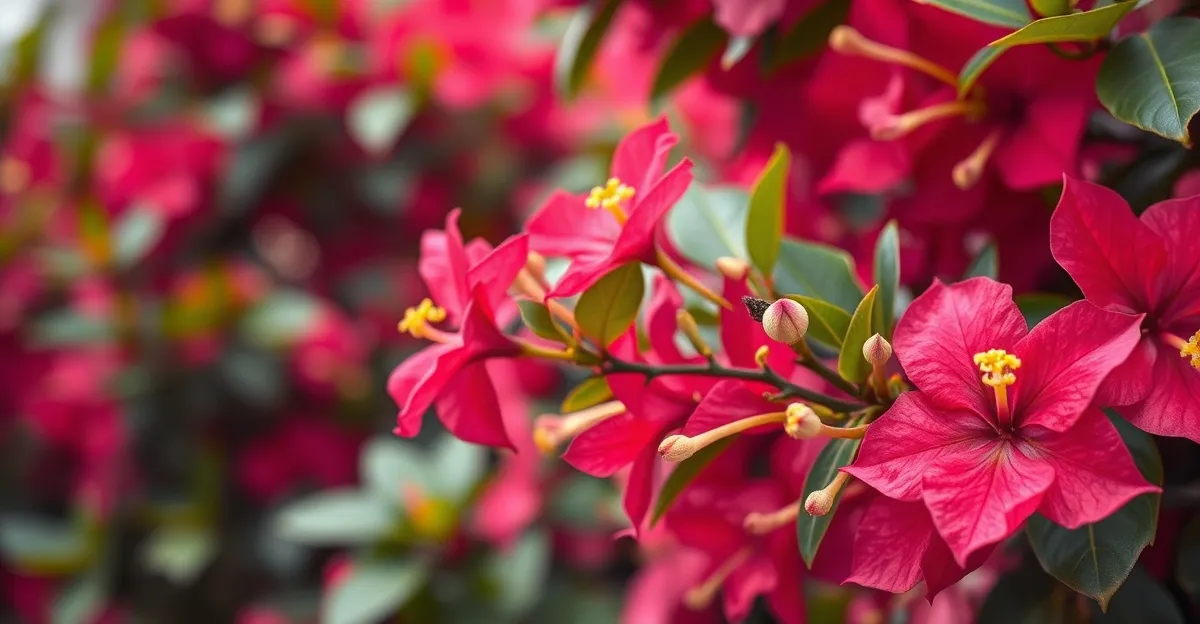
Here is the good news about growing bougainvillea in Bali: the plant was practically made for this climate. Unlike so many beautiful flowers that struggle against the tropical heat and humidity, bougainvillea positively thrives in conditions that would destroy them. The same sun and warmth that exhausts your roses and fades your hydrangeas just makes bougainvillea flower harder.
That said, "thrives in the tropics" doesn't mean "requires zero attention." Even in Bali, bougainvillea needs the right care to look its best and flower consistently. At heyflower.co, we grow with and source bougainvillea regularly, and this guide shares what actually works for this plant in Bali's specific conditions.
Why Bougainvillea Loves Bali
The Climate Match
Bougainvillea (Bougainvillea spectabilis and related species) is native to coastal Brazil — a hot, dry-season-and-rainy-season tropical climate not entirely unlike Bali's. It evolved to thrive in conditions where:
- Full sun is the norm (6–8+ hours per day)
- Temperatures stay warm year-round (ideally above 15°C at minimum)
- There's a distinct dry period that triggers flowering
- Soil drains quickly and doesn't waterlog
Bali's climate delivers most of these requirements naturally. The dry season (roughly April to October) creates the moisture stress that triggers bougainvillea's most spectacular flowering cycles. The year-round warmth means the plant never has to deal with the cold dormancy that limits it in temperate climates.
Where Bali Bougainvillea Shines
Walk around Canggu, Seminyak, or Ubud and you'll see the proof: bougainvillea growing on walls, fences, and trellises with extraordinary vigour. Mature bougainvillea vines in Bali can extend for many metres and produce cascades of colour that are genuinely spectacular, particularly in the dry season.
Planting Bougainvillea in Bali
Choosing the Right Spot
Full sun is non-negotiable. Bougainvillea produces its spectacular bract colour through a process partly triggered by heat and light intensity. In shade, it grows but flowers poorly. Choose the sunniest spot available — south-facing walls and open garden beds with no tree cover are ideal.
Good drainage is equally critical. Despite loving warmth and tolerating drought, bougainvillea is surprisingly sensitive to waterlogged roots. Poor drainage during Bali's wet season is one of the most common causes of struggling bougainvillea. Raised beds, sloped ground, or containers with drainage holes all help.
Wall or structure support: Bougainvillea is a vigorous climber that needs something to scramble up. A wall, fence, trellis, or pergola gives it the structure it needs. The plant anchors itself with curved thorns rather than true tendrils, so some initial training and tying is helpful.
Soil Preparation
Bougainvillea grows well in Bali's typical garden soil with some amendments. Incorporate coarse sand or perlite into the planting area to improve drainage. A slightly acidic to neutral pH (6.0 to 7.0) is fine — most Bali garden soil falls in this range naturally.
Avoid heavy clay soils that retain water, and avoid over-fertilising at planting — bougainvillea performs better in relatively lean conditions than in heavily amended rich soil.
Planting Method
Bougainvillea is sensitive to root disturbance. Plant from a container with minimal root disruption — don't break apart the root ball or try to tease out roots. Lower the whole root ball into the planting hole and fill gently around it.
Water well at planting, then allow the soil to dry somewhat before the next watering. Immediately after planting is one of the few times bougainvillea appreciates consistent moisture.
Watering in Bali's Climate
The Counter-Intuitive Rule: Less Is More
Many Bali gardeners — particularly those used to caring for lush tropical plants — overwater bougainvillea. This is the most common care mistake.
Bougainvillea produces its best flowering under mild drought stress. Well-watered bougainvillea grows lush and leafy with fewer bracts. Dry-stressed bougainvillea throws its energy into flowering.
During the dry season: Water deeply once per week for established plants. Allow the top 5–10 cm of soil to dry out completely between waterings.
During the wet season: In Bali's wet season, natural rainfall is usually sufficient — sometimes excessive. Ensure drainage is working well. If your bougainvillea is in a pot or raised bed, monitor that it isn't sitting in water.
For newly planted bougainvillea: More consistent moisture for the first four to six weeks until established, then gradually reduce to the drought-stress schedule.
Signs of Overwatering
- Yellowing leaves, particularly lower leaves
- Leaf drop without bract production
- Soft, mushy base of stems
- Soil that smells sour or remains wet for days after rain
If you see these signs, improve drainage immediately and reduce watering frequency.
Fertilising Bougainvillea in Bali
Bougainvillea benefits from fertiliser in Bali, but the type and timing matter.
What to Use
During flowering cycles: Use a fertiliser high in potassium and phosphorus with lower nitrogen. High-nitrogen fertilisers encourage leafy growth at the expense of flowering. Look for fertilisers marketed for flowering plants — the NPK ratio should show higher P (phosphorus) and K (potassium) than N (nitrogen).
During active growth periods (particularly early wet season): A balanced fertiliser is acceptable to support strong vegetative growth before the next flowering cycle.
Micronutrient supplements: Bougainvillea in Bali's slightly acidic soils can sometimes become deficient in iron and magnesium. If you see interveinal chlorosis (yellowing between the veins of leaves while veins stay green), a dose of chelated iron or Epsom salts (magnesium sulphate) can help.
Application Frequency
Every four to six weeks during active growth periods is typical. Ease off during peak wet season when the plant is absorbing soil nutrients from heavy rainfall.
Pruning for Maximum Flowering
Pruning is one of the most important care practices for getting the best from bougainvillea in Bali. Left unpruned, bougainvillea in Bali's climate can become a large, somewhat unruly vine that flowers only at the tips of long shoots. Regular pruning keeps the plant compact and triggers new growth — and new flowering cycles.
When to Prune
After each flowering cycle: Bougainvillea flowers on new growth. After a flowering display fades, pruning back the spent flowering branches (removing one-third to half of their length) triggers new growth that will produce the next display.
Annual hard pruning: Once per year — typically at the end of the wet season or beginning of the dry season — a harder prune that reduces the overall size of the plant keeps it vigorous and manageable. This more severe pruning typically triggers a spectacular subsequent flowering.
How to Prune
Use clean, sharp secateurs or loppers. Cuts should be clean, not tearing. Cut just above a leaf node or lateral branch. Remove dead, damaged, or crossing branches first, then shape.
Wear thick gloves: Most bougainvillea varieties have sharp, curved thorns that can cause painful wounds. Thick gardening gloves are essential.
Managing Bougainvillea as Cut Flowers
If you want to use bougainvillea cuttings in arrangements — either from your garden or purchased — a few specific practices extend their brief vase life:
Cut in the morning: Bracts hold better if cut in the cooler morning hours before the heat of the day.
Immediately into water: Cut stems should go directly into cool water with a drop of bleach or floral preservative to slow bacterial growth.
Change water daily: In Bali's heat, water quality degrades fast. Daily water changes are important for maximum bract life.
Keep away from heat and sun: Arrange in a shaded, cool spot. Direct sun or fans dry the bracts very quickly.
Expect 2–4 days: Bougainvillea cut flower life in Bali is genuinely short compared to fresh flowers like roses or chrysanthemums. Use it for maximum-impact, short-duration arrangements: table centrepieces for an event, a welcome arrangement for the first day of a stay.

The team
your florists
weekly subscription · Bali
We write about flowers because we love them. We deliver them because someone should — properly, weekly, across Bali.
— heyflowerPay once for 3, 6, or 12 months, no auto-renewal.
Common Bougainvillea Problems in Bali
Scale Insects and Mealybugs
Bougainvillea in Bali can be affected by scale insects (small armoured or soft-bodied insects that attach to stems and leaves) and mealybugs (cottony white masses in leaf axils). Both suck plant sap and can weaken the plant. A spray of neem oil solution, or a systemic insecticide available at Bali garden shops, addresses these effectively.
Fungal Issues During Wet Season
While bougainvillea is generally more disease-resistant than many ornamental plants, the wet season's sustained humidity can bring fungal issues, particularly on older or damaged stems. Ensure good air circulation around the plant by not letting it become too dense, and remove any dead or diseased stems promptly.
Leaf Drop During Dry Season
Some leaf drop during the dry season is completely normal — bougainvillea is partly deciduous and will shed leaves under stress, particularly drought stress. This is not a cause for concern and typically precedes or coincides with flowering.
Frequently Asked Questions
Does bougainvillea need full sun in Bali?
Yes, absolutely. Bougainvillea requires a minimum of six hours of direct sun per day and prefers eight or more. In Bali's bright tropical sunlight, even a spot with some afternoon shade will produce significantly less flowering than a full-sun location. This is the single most important factor in whether your bougainvillea flowers well.
How often should I water bougainvillea in Bali's wet season?
In Bali's wet season, natural rainfall usually provides sufficient moisture for established bougainvillea. Your primary job during the wet season is ensuring drainage, not providing water. If rainfall is particularly heavy and prolonged, check that the root zone is not sitting in standing water.
Why is my Bali bougainvillea not flowering?
The most common causes of poor flowering in Bali are: insufficient sunlight, overwatering, excess nitrogen fertiliser, and insufficient pruning. Check each of these. If the plant is in a shaded position, consider whether moving it (or the pot, if it's containerised) to a sunnier location is possible.
Can I grow bougainvillea in a pot in Bali?
Yes. Pot cultivation actually helps with bougainvillea because you control drainage and soil composition more precisely. Use a well-draining potting mix, ensure the pot has adequate drainage holes, and allow the soil to dry between waterings. Container bougainvillea often flowers particularly well because the root restriction can trigger flowering stress.
How fast does bougainvillea grow in Bali?
In Bali's climate, bougainvillea grows remarkably quickly — often 2 to 3 metres per year for established vines in optimal conditions. This makes it excellent for quickly covering walls, fences, and trellises, but also means it needs regular pruning to maintain the shape and size you want.
Beautiful Bougainvillea, All Year in Bali
At heyflower.co, bougainvillea is part of our Bali story. Whether you're growing your own in a Canggu villa garden or ordering an arrangement that celebrates this iconic Bali flower, we're here to help.
Our subscription service brings beautiful seasonal arrangements to your door regularly — crafted in our Canggu studio with the same care we bring to everything we create. Explore our options at heyflower.co/#subscriptions and bring more of Bali's natural beauty into your everyday life. For more on this island's stunning floral landscape, our flower subscriptions for villa rentals in Jimbaran guide shows how bougainvillea-rich Bali environments can be complemented with curated arrangements.
More on Bougainvillea