How to Care for Amaryllis in Bali's Humid Climate
Keep amaryllis blooms looking spectacular in Bali's heat and humidity with these practical florist-tested care tips for cut stems and growing bulbs alike.
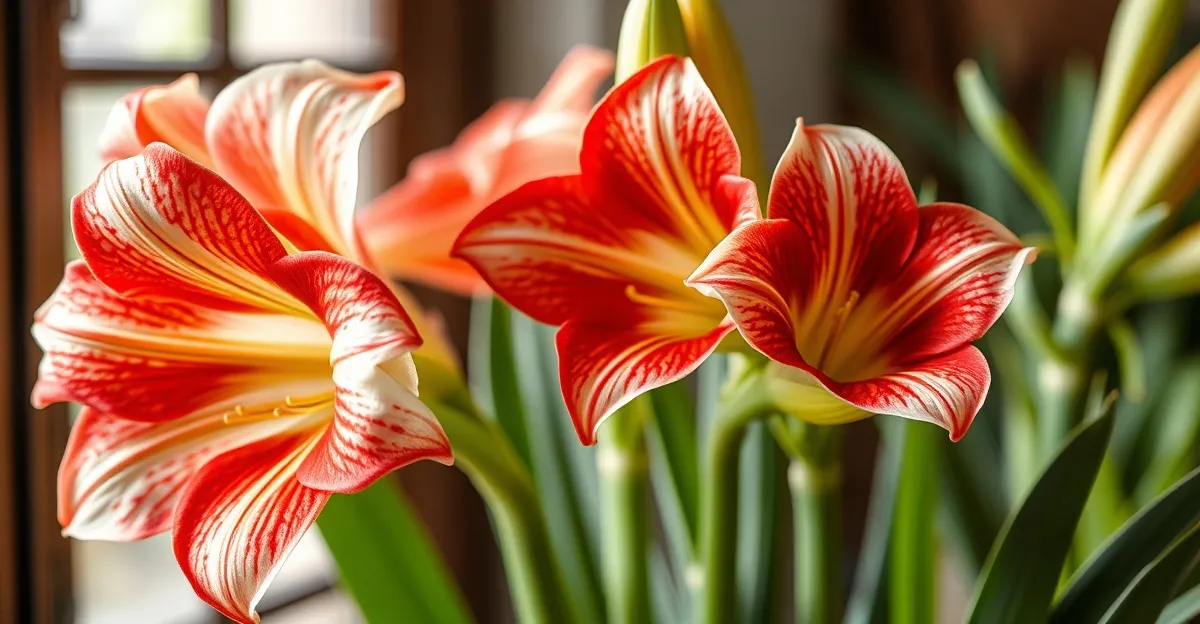
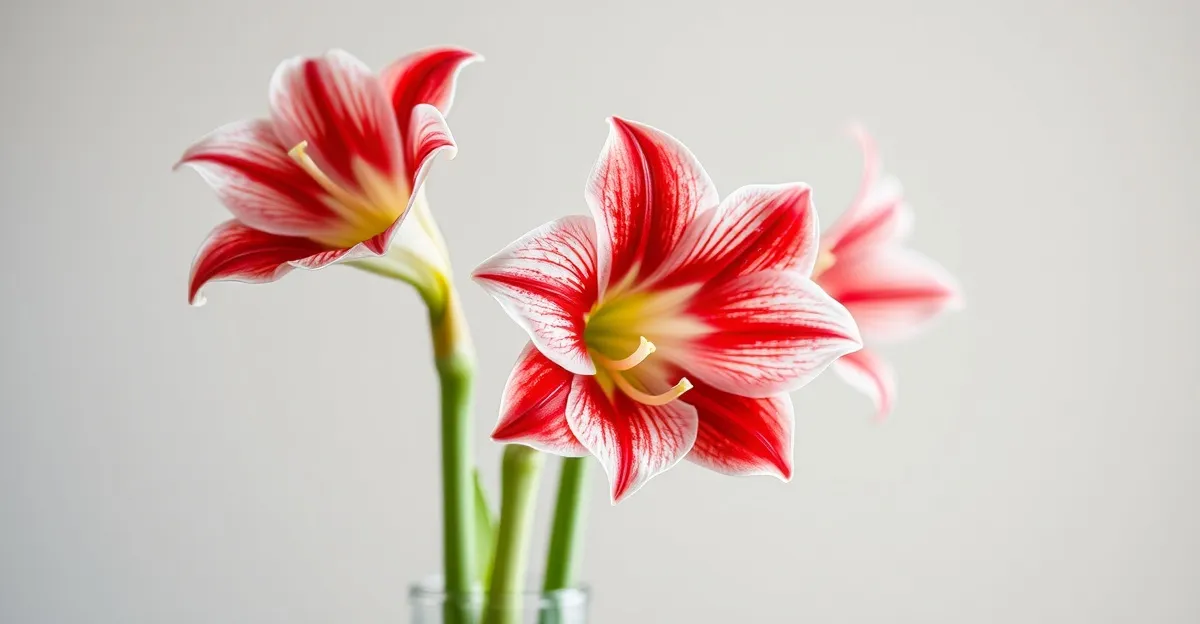
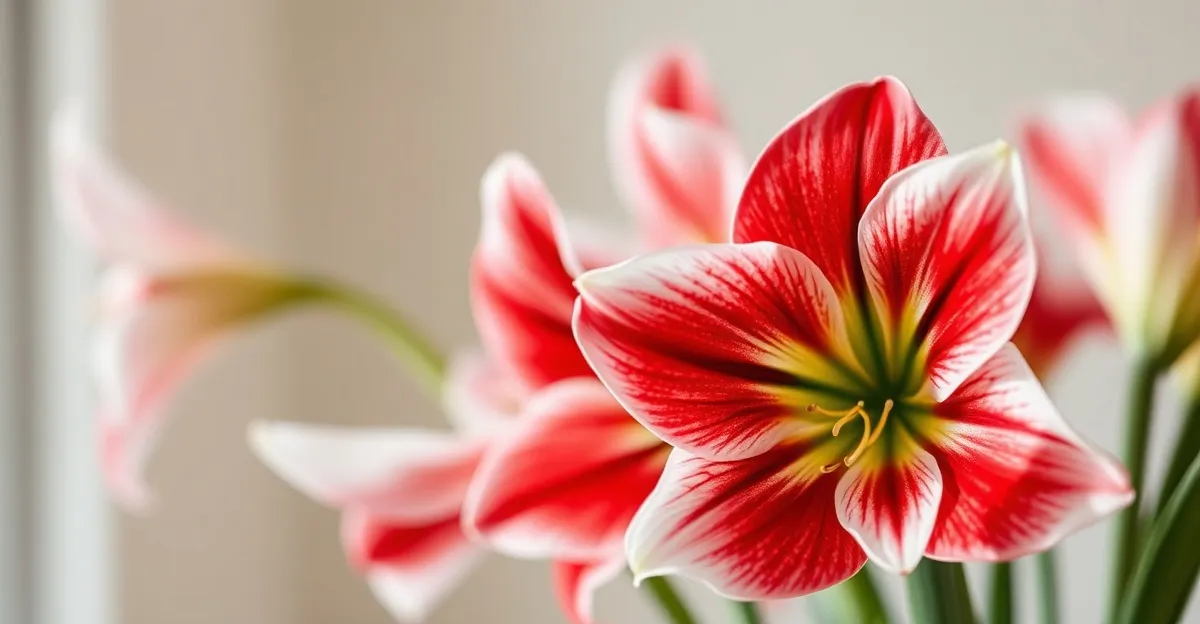
Amaryllis is one of the most visually impressive flowers you can have in your Bali home — those enormous trumpet blooms on tall, architectural stems command attention in a way that very few other flowers can. But in Bali's tropical climate, caring for amaryllis presents specific challenges that can dramatically shorten its display period if you are not prepared. With the right approach, amaryllis can last impressively well even in the tropics.
This guide covers care for both cut amaryllis stems (the most common form in floral arrangements) and amaryllis bulbs (for those growing them at home) — because the two require quite different approaches.
Understanding Amaryllis in the Tropical Context
Amaryllis (Hippeastrum species, though often labeled Amaryllis in markets) originates from the subtropical and tropical regions of South America. Unlike cherry blossom or magnolia, which are fundamentally temperate flowers struggling in the tropics, amaryllis is actually at home in warm conditions. This means that with good care, it performs better in Bali than many other premium flowers.
The Specific Challenges
Despite its tropical origins, cut amaryllis in Bali faces two main challenges:
Bacterial vase water: In warm, humid conditions, bacterial growth in vase water accelerates. Because amaryllis has hollow stems, bacteria enter the stem more readily than in most other flowers, causing premature wilting even when the flower appears to have sufficient water.
Rapid opening: Warm temperatures cause amaryllis buds to open very quickly. This is not necessarily a problem — open blooms are beautiful — but the transition from bud to full bloom to spent can happen faster than you might expect.
Caring for Cut Amaryllis Stems
When You First Receive Them
The first few minutes matter significantly for amaryllis stem care.
-
Re-cut the stems immediately — cut at a 45-degree angle with a sharp, clean knife. Because amaryllis stems are hollow, avoid using scissors that can crush the hollow tube.
-
Seal the hollow stem — this is specific to amaryllis and makes a significant difference. After cutting, stand the stem upside down briefly and fill the hollow stem with cool water. Then plug the base with a piece of cotton wool or a small piece of stem cut from another plant. This prevents air pockets and bacterial entry.
Alternatively, some florists briefly sear the cut end over a flame for two seconds — this creates a seal that prevents bacterial entry while maintaining water uptake through the stem wall.
-
Place in cool, deep water — amaryllis benefits from deep water placement, with the bottom third of the stem submerged.
-
Condition for two to four hours before arranging — place in a cool, dark space to allow full hydration.
Ongoing Care
Change water every two days — daily changes are ideal but every other day is the practical minimum in Bali's conditions. Adding a single drop of bleach or a floral preservative sachet to each fresh water change significantly extends vase life.
Re-cut stems at each water change — removing one centimetre of stem at each water change keeps uptake channels fresh. Always cut with a clean, sharp blade.
Placement matters enormously — amaryllis lasts significantly longer in a cool, air-conditioned space than in ambient Bali air. Direct sunlight will accelerate bloom opening and age the petals quickly.
Support the flower heads — as amaryllis blooms open fully, they become heavy. A tall vase that supports the stem at multiple points prevents the blooms from flopping sideways. Alternatively, a stem support wire inserted through the hollow stem provides invisible structural help.
Realistic Vase Life in Bali
With good care in a cool, air-conditioned environment, cut amaryllis typically provides:
- Day 1–2: Buds opening to half-bloom — beautiful, architectural, dramatic
- Day 3–4: Full, open blooms at peak display
- Day 5–7: Blooms mature and begin to age; secondary buds on the same stem may open
- Day 8–10: With excellent care, remaining buds still providing display value
Without care precautions, this timeline compresses significantly — you may see only three to four days of quality display.
One Stem, Multiple Blooms
One of amaryllis's practical advantages is that a single stem typically carries two to four buds that open in sequence. This means the display period extends as secondary buds open after the first blooms reach maturity. Removing spent blooms as they age helps secondary buds receive the full visual attention they deserve.
Caring for Amaryllis Bulbs
If you have received or purchased an amaryllis bulb for home growing in Bali — either as a gift or for decoration — the care approach is entirely different from cut stems.
Planting an Amaryllis Bulb in Bali
Amaryllis bulbs can be grown successfully in Bali's conditions, though some adjustments from standard temperate-climate instructions are required.
Container choice: A pot about 2–5 cm wider than the bulb diameter is ideal. Too large a pot can lead to waterlogging. Terracotta pots work well in Bali as they allow some moisture evaporation.
Soil: Use a well-draining potting mix — Bali's humidity means standard heavy soil will become waterlogged and cause bulb rot. Mix standard potting soil with perlite or coarse sand.
Planting depth: Plant with approximately one-third of the bulb above the soil surface. In Bali's humidity, this above-soil exposure helps prevent rot.
Watering: This is the critical factor in Bali. Water sparingly — once every five to seven days initially, and only when the top 3 cm of soil is fully dry. Overwatering is the most common cause of bulb failure in tropical conditions. Bali's ambient humidity means the bulb receives more moisture than you might realize even between waterings.
Light and Temperature for Growing Bulbs
Amaryllis bulbs growing in Bali benefit from:
- Bright, indirect light — a spot that receives morning sun but is shaded from the intense afternoon sun
- Good air circulation — this reduces the fungal risk that humidity creates
- Temperatures above 18°C — not a concern in most of Bali, where ambient temperatures are ideal for bulb growth
In Bali's warmth, an amaryllis bulb will typically send up its first stem within two to four weeks of planting (compared to four to six weeks in cooler climates). The warm conditions accelerate the growing process.
After Blooming
Once the blooms have finished, keep the foliage growing by continuing to water (more regularly than during the dormancy preparation phase). The leaves photosynthesize to replenish the bulb's energy. In Bali's climate, amaryllis may not require a strict dormancy period and may rebloom with appropriate care — something that is less reliable in temperate climates where cold winter temperatures trigger the dormancy cycle.

The team
your florists
weekly subscription · Bali
We write about flowers because we love them. We deliver them because someone should — properly, weekly, across Bali.
— heyflowerPay once for 3, 6, or 12 months, no auto-renewal.
Common Problems and Solutions in Bali
Hollow Stem Rot
Symptom: The cut stem end becomes soft and slimy, and the flower wilts despite appearing to be in water.
Cause: Bacterial entry into the hollow stem.
Solution: Re-cut the stem immediately, removing all soft tissue. Sear the new cut end briefly or seal with cotton wool as described above. Place in fresh water with a bactericide.
Buds Not Opening
Symptom: Buds swell but fail to open, or open incompletely.
Cause: Usually a combination of dehydration and stem blockage, or temperature conditions that are too cool.
Solution: Re-cut the stem, sear or seal the base, and place in a warmer position. In Bali's conditions, warmer is rarely the problem — check for stem blockage first.
Leaf Yellowing on Potted Bulbs
Symptom: Yellow leaves appearing while the bulb is otherwise healthy.
Cause: Usually overwatering or insufficient light.
Solution: Allow the soil to dry more completely between waterings and move to a position with better indirect light.
Frequently Asked Questions
How long does cut amaryllis last in Bali?
With careful care — sealed hollow stems, cool placement, regular water changes — cut amaryllis can last seven to ten days in Bali with multiple sequential bloom openings. Without these precautions, four to six days is more typical.
Can I grow amaryllis in a Bali garden?
Yes — amaryllis grows well in tropical conditions. In garden beds, the key is excellent drainage to prevent bulb rot. In containers, use a free-draining mix and water conservatively. Bali's warmth actually accelerates growth compared to temperate climates.
Why is my amaryllis stem rotting at the cut end?
Hollow stem rot is caused by bacterial entry into the stem's hollow interior. Prevent this by sealing the cut end immediately after cutting — either with a brief flame sear or by plugging with cotton wool after filling the hollow with water.
Can I reuse an amaryllis bulb in Bali?
Yes, with good post-bloom care. Keep the foliage growing after blooms finish, water appropriately, and the bulb will replenish itself. In Bali's warm climate, amaryllis may rebloom within a year without requiring a strict dormancy period.
What is the best placement for cut amaryllis in a Bali home?
A cool, air-conditioned room away from direct sunlight is ideal. Avoid placing near ceiling fans or AC outlets that blow directly onto the flowers, as dehydration from airflow shortens vase life. A dining table or console in a climate-controlled space is perfect.
Amaryllis rewards careful attention — and in Bali's climate, that care is both more important and more satisfying than in cooler places. At heyflower.co, we source amaryllis stems at their freshest and advise on care so you get the full duration of their extraordinary display. Explore our subscription options for regular fresh flower deliveries to your Bali home.
More on Amaryllis