Freesia in Balinese ceremonies: traditional uses in Bali
Explore how freesia fits into Balinese Hindu ceremonies — from temple offerings to weddings — and what you should know about sourcing and using this imported bloom in ritual contexts.
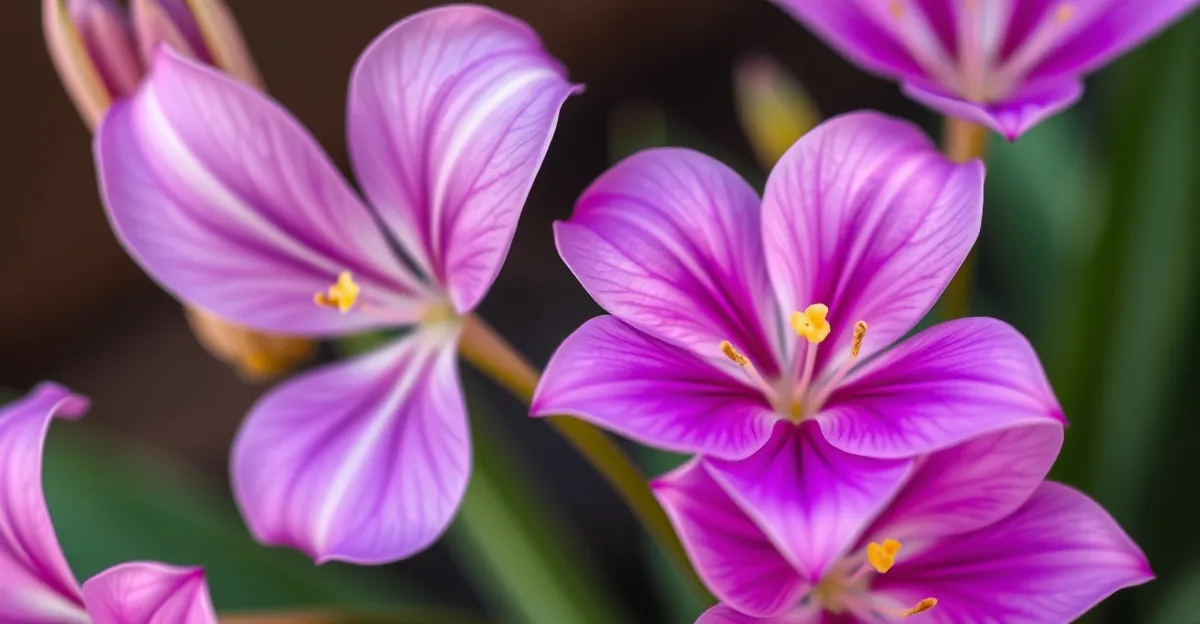
Bali runs on ceremony. Walk through any neighborhood in Gianyar or Tabanan on the right day and the air smells of incense, roasted rice, and flowers — layers of scent that together mean something sacred is happening. The floral element of Balinese Hindu ceremony is not decorative; flowers are active offerings to the divine, chosen for color, form, fragrance, and availability.
Freesia is a relatively recent addition to this world. It is not a traditional Balinese flower — it does not grow here naturally, and its use in ceremony has developed gradually as imported flowers became more accessible through Bali's flower markets. But it has found genuine acceptance in certain ceremonial contexts, and understanding where and why tells you something interesting about how Balinese ritual culture absorbs new elements.
Flowers and meaning in Balinese Hindu ritual
To understand freesia's place, you first need to understand how flowers function in Balinese Hinduism. Every offering (canang sari, banten, gebogan) is a multi-sensory gift to the divine. Flowers contribute color, form, and fragrance — all meaningful. Different colors are associated with different deities and the four cardinal directions: white for east (Iswara), red for south (Brahma), yellow for west (Mahadewa), black or blue for north (Wisnu).
Fragrance is particularly significant. The Balinese word sari in canang sari refers to essence or fragrance — the idea that the invisible, fragrant dimension of the offering rises to the divine. Flowers with strong natural scent carry extra spiritual weight in this system.
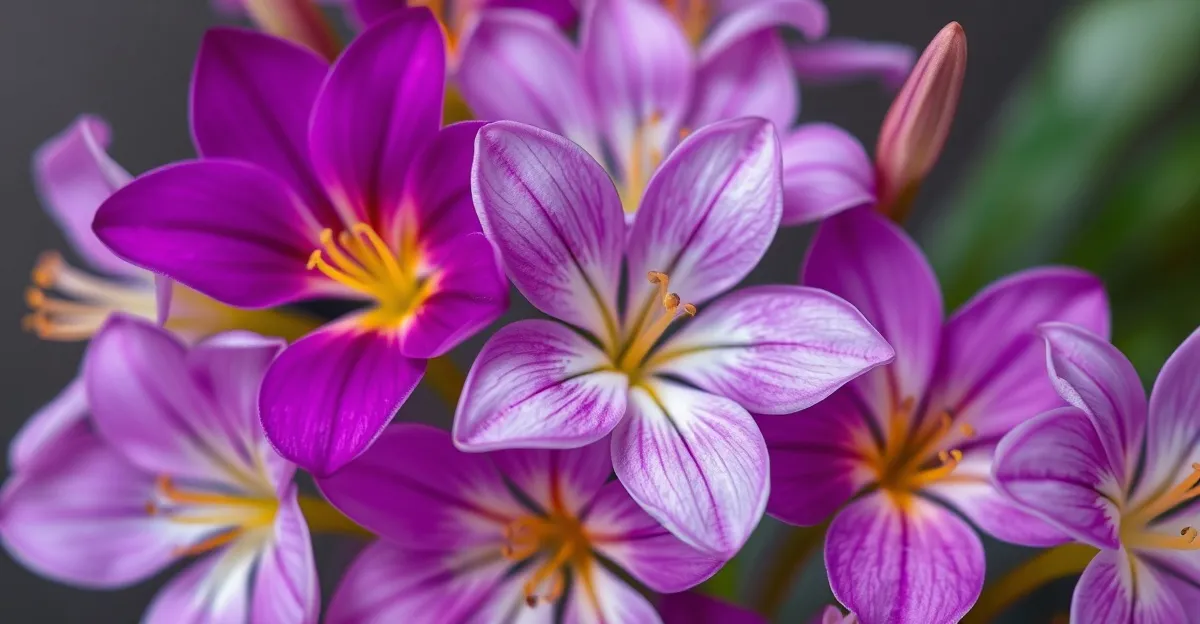
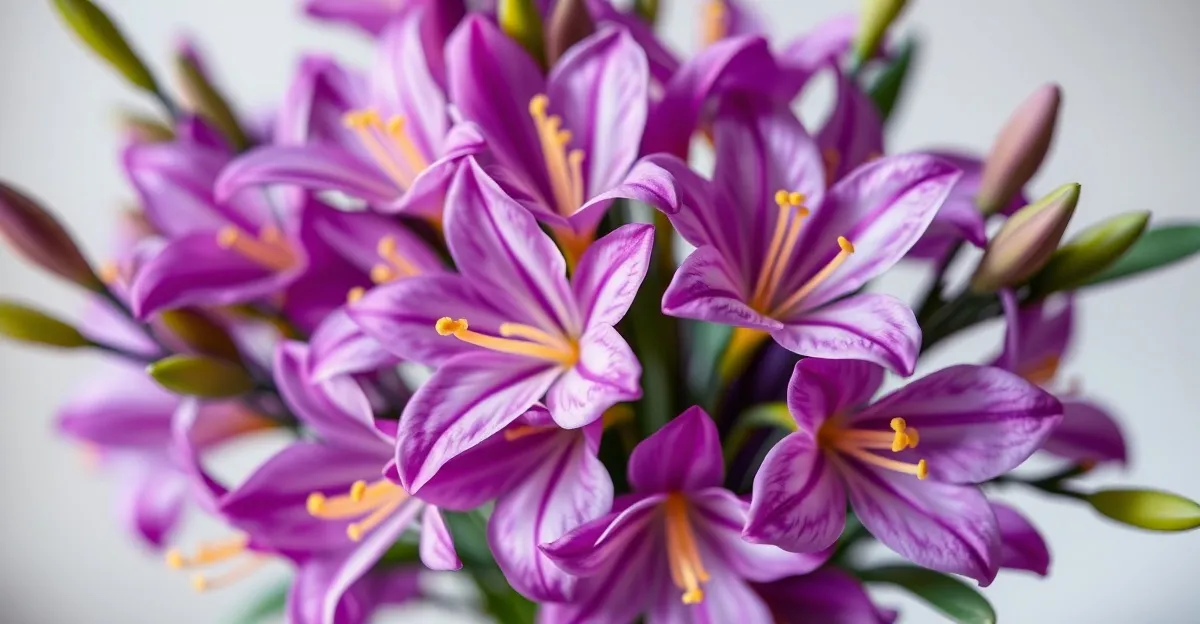
This is where freesia has genuine ceremonial relevance: it is one of the most fragrant cut flowers available. That citrusy-sweet scent is not just pleasant to humans; in the Balinese ritual logic of fragrance as offering, it holds real value.
Freesia in temple offerings
The standard daily canang sari uses small, inexpensive local flowers — frangipani, marigold, croton leaves, sometimes rose petals — because it is made fresh every day and the scale of daily offering practice across Bali is enormous. Freesia does not appear here; the cost and import dependency make it impractical.
Where freesia appears is in larger, less frequent ceremonial offerings — the elaborate gebogan towers carried to temple for odalan (temple anniversary festivals), the decorative arrangements placed at the feet of major temple shrines, and the flower arrangements that adorn ceremony stages (bade) and family compound shrines during significant life-cycle events.
In these contexts, florists in Denpasar and Ubud sometimes incorporate freesia alongside more traditional flowers — often mixed with white chrysanthemum, white calla lily, and gardenia for their combined fragrance and white color appropriate for purity-focused ritual contexts.
The fragrance of a freesia arrangement can fill a temple courtyard, which aligns with the ceremonial value of scented offerings. Pemangku (temple priests) and ceremony organizers who work with florists regularly sometimes specifically request fragrant flowers for significant ritual moments.
Freesia at Balinese weddings
The Balinese wedding ceremony (pawiwahan) is where freesia has made the strongest inroads. Modern Balinese weddings — particularly in the villa-dense areas of Seminyak, Canggu, and Ubud — often blend traditional Hindu ceremony with contemporary event styling. Florists catering to these weddings navigate both worlds: traditional Balinese arrangements for the ritual portions and more globally-influenced floral design for the reception.
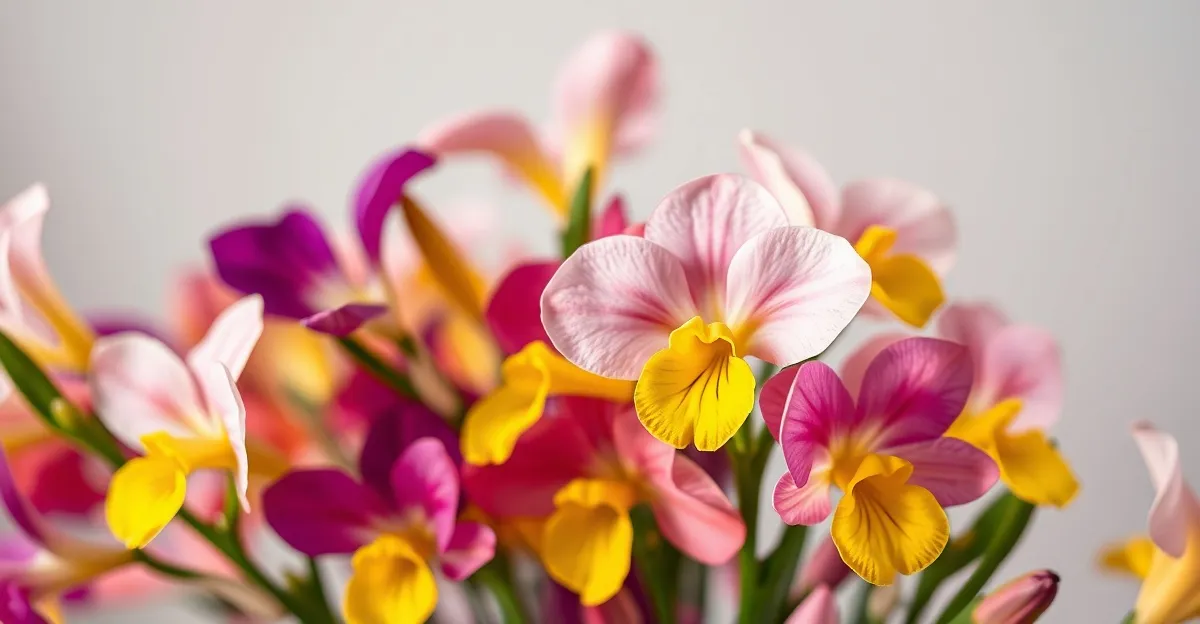
Freesia is a natural fit for this intersection. It carries associations of trust, friendship, and purity — appropriate wedding themes. Its fragrance fills ceremony spaces beautifully. And it photographs exceptionally well, particularly white and yellow varieties against the stone carvings and lush greenery typical of Balinese compound settings.
For the mepamit (farewell ceremony at the bride's family home before the wedding) and the mekala-kalaan (the central ritual of the ceremony itself), traditional flower choices predominate. But for the spaces and decorations surrounding these rituals — arches, aisle arrangements, table flowers for the feast — freesia is increasingly common.
If you are planning a wedding in Bali and want to understand how to weave flowers through all parts of the ceremony, our guide on how to keep a wedding bouquet fresh through the ceremony has practical advice for maintaining flower quality through a long Bali wedding day.
Freesia at cremation ceremonies
White flowers dominate ngaben (cremation) ceremony because white represents purity and spiritual transition in Balinese Hindu cosmology. The freesia, being available in a beautiful, fragrant white, has been adopted into the floral language of cremation in some communities.
It is worth being thoughtful here. The use of specific flowers in cremation varies significantly by family tradition, the guidance of the pemangku, and the family's Balinese Hindu lineage (the caste system influences some ceremonial details). Freesia is not a traditional or prescribed element. But for contemporary Balinese families who work with florists to create more elaborate cremation flower arrangements, fragrant white freesias may be included alongside the standard white chrysanthemums and frangipanis.
For visitors to Bali who encounter a cremation procession — a genuinely moving experience if you approach it respectfully — the flower arrangements visible on and around the wadah (cremation tower) represent this layered relationship between tradition and the flowers available in the present market.
Galungan and Kuningan
During Galungan — Bali's ten-day festival celebrating the victory of dharma — households across the island set up fresh floral arrangements at shrines and family compound temples. The penjor poles at gate entrances incorporate flowers, as do the elaborate offerings placed inside compounds.
The dominant flowers during Galungan are traditional: frangipani, marigold, and local tropical blooms readily available from village gardens. Freesias do not typically appear in the vernacular village Galungan celebration. However, in more urbanized areas of Denpasar and in the expat-Bali-hybrid households of Seminyak and Canggu, florists sometimes create modern Galungan arrangements that incorporate imported flowers including freesias.
For last-minute ideas during this festival period, see our roundup of last-minute Galungan flower ideas for Bali.

The team
your florists
weekly subscription · Bali
We write about flowers because we love them. We deliver them because someone should — properly, weekly, across Bali.
— heyflowerPay once for 3, 6, or 12 months, no auto-renewal.
Sourcing freesias for ceremony in Bali
If you are organizing a ceremony and want to include freesias, here is what you need to know about the supply chain:
Market sources: Pasar Badung in central Denpasar and Pasar Kumbasari across the river are Bali's primary wholesale flower markets. Freesias appear here, imported through Java, but supply is not guaranteed and stock is more consistent on certain days (market days vary by location).
Florist ordering: For ceremony quantities — where you need reliable volume — ordering through a florist with advance notice (at least a week, preferably two) is more reliable than buying from the market on the day. Florists who regularly handle events maintain supplier relationships and can reserve stock.
Seasonal considerations: Freesia supply in Bali is most consistent from May to September when import logistics run smoothly. During the wet season, supply can be disrupted and prices may rise. For ceremonies during the wet season (roughly November to March), discuss alternatives with your florist in advance.
Price expectations: Freesias are among the pricier imported cut flowers in Bali. Retail at market runs Rp 15,000–30,000 per stem depending on season. For ceremony quantities, work with your florist on a quoted package price rather than per-stem retail.
Working with freesia fragrance in ceremony
One specific quality worth mentioning: freesia's fragrance intensifies with warmth. In Bali's heat, a large ceremony arrangement containing freesia will fill the surrounding space with scent within the first hour — more than you might expect. In a temple courtyard, this is wonderful. In a small enclosed shrine room or indoor ceremony space, the scent can become overwhelming.
For outdoor ceremonies — a rice-field pavilion in Ubud, a beach setting in Jimbaran, a clifftop venue in Uluwatu — freesia fragrance is ideal. For more intimate indoor settings, use freesia sparingly or mix with lower-fragrance flowers.
FAQ
Is freesia a traditional Balinese ceremony flower? No. Freesia is not native to Bali and has no deep roots in traditional Balinese ceremony. It has been adopted into contemporary ceremony flower practice as imported flowers have become accessible through Bali's markets. Traditional Balinese ceremony flowers include frangipani, marigold, lotus, and local tropical blooms.
Can freesia be used in canang sari? Technically yes, but practically no. The daily canang sari uses small, inexpensive, locally grown flowers made fresh every day. Freesia is too costly and too large for this purpose. Its use is limited to larger ceremony arrangements.
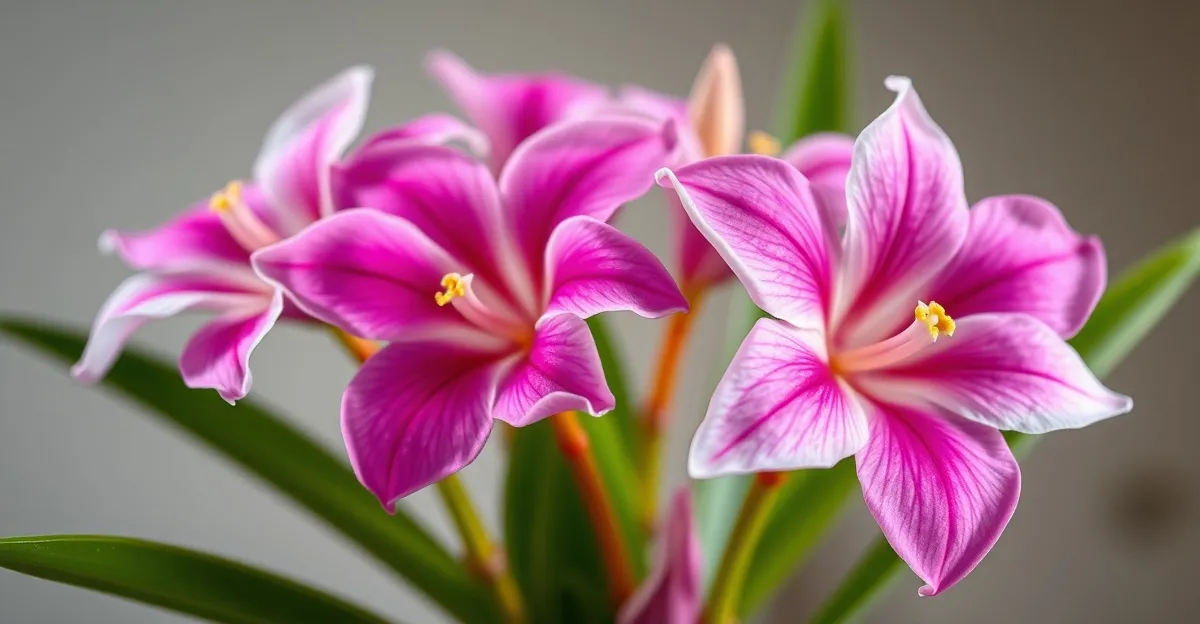
What color freesia is most appropriate for ceremonies? White is the most ceremony-appropriate color in the Balinese system, where white represents purity and is associated with the east and the deity Iswara. Yellow is also used in offerings. Avoid deep red freesias for religious ceremony contexts — red in Balinese ritual has specific associations not always appropriate for mixed-flower arrangements.
Does the freesia's fragrance have ritual meaning? Fragrance is genuinely meaningful in Balinese Hindu offering culture — the concept of sari (essence/fragrance) rising to the divine is real. Fragrant flowers carry more ritual value than scentless ones. The freesia's strong natural scent makes it genuinely well-suited to offerings, even if it arrived in Bali's ceremony culture through modern commerce rather than traditional practice.
Should I ask the pemangku before using freesias in a ceremony arrangement? For significant ceremonies (major temple festivals, cremations, large wedding rituals), yes — the pemangku or the ceremony coordinator will have specific guidance on appropriate flowers. For more contemporary ceremony contexts like reception decorations at a Bali wedding, florists who regularly work with Balinese families can advise on what is appropriate.
Ready to bring fresh flowers to your Bali home or event? Explore our weekly flower subscription and get handpicked blooms delivered to your door every week.
More on Freesia