Flower packaging 101: what good wrapping looks like
Good flower packaging keeps blooms fresh from florist to doorstep. Learn what professional wrapping includes and what red flags to watch for in Bali.
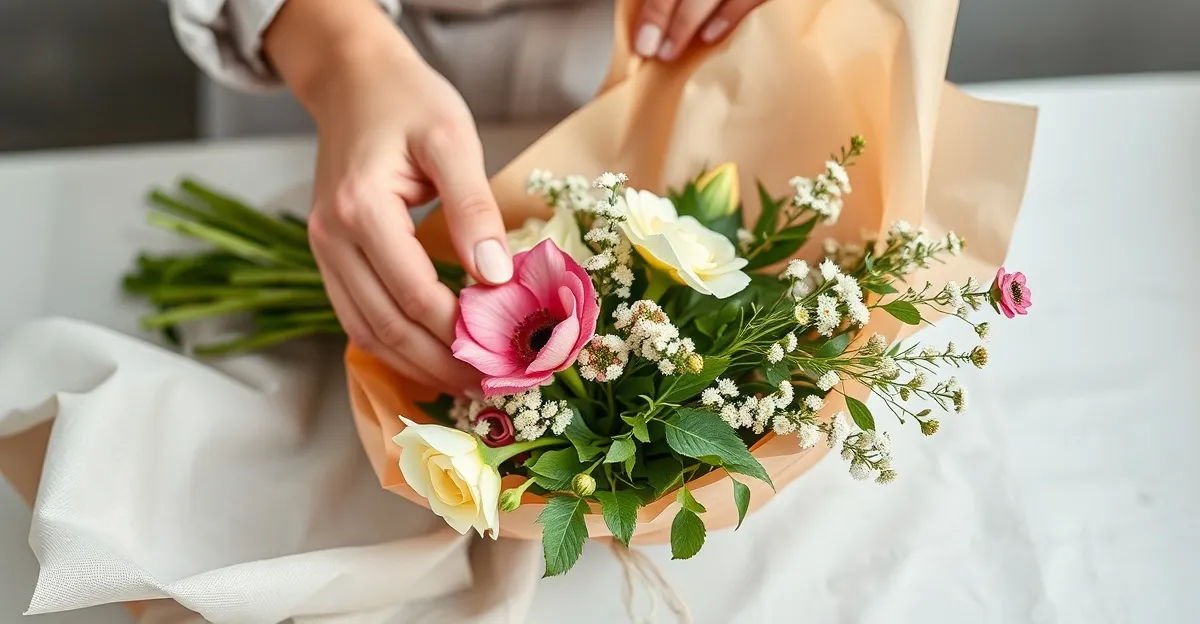
The moment a bouquet is cut and wrapped is the beginning of its clock. Good packaging extends that clock significantly; poor packaging cuts it short before the flowers even arrive at their destination. In Bali's tropical heat, the difference between thoughtful and lazy packaging can be two to three days of vase life.
Understanding what good wrapping looks like helps you choose better florists, spot quality issues when an order arrives, and even package your own flowers better when you're transporting them on the island.
The purpose of flower packaging
Packaging does several jobs simultaneously: it maintains stem hydration, protects delicate petals from physical damage, shields the arrangement from the heat of transit, and presents the flowers in a way that signals care and quality to the recipient.
These functions can sometimes be in tension — a very tight wrap protects petals from physical damage but may compress them. A fully open wrap shows off the flowers beautifully but leaves them exposed to wind and heat. Good packaging finds the balance appropriate for the transit time and conditions.
In Bali, where a delivery might sit on a scooter in 30°C heat for 20–40 minutes, the thermal and hydration challenges are more significant than in a temperate climate. Packaging standards need to account for this.
The non-negotiable: stem hydration
The single most important element of flower packaging is maintaining water at the stem end. Without hydration, stems begin to seal their capillaries and flowers start wilting within hours in Bali's heat.
There are a few ways florists handle this:
Water sachets (aqua picks): Small plastic tubes with sponge caps, filled with water and pushed onto the cut stem ends. These are the standard approach for individual stems or loose bouquets and work well for trips up to an hour.
Wet foam (floral foam or oasis): Specially designed foam soaked in water, used for arrangements rather than loose bouquets. Stems are inserted into the foam, which releases water slowly. Good for longer transport times.
Wet newspaper or paper wrap: A simpler method — the paper is soaked in water and wrapped tightly around the stem ends. Less effective than sachets but still much better than nothing.
No moisture: A significant red flag. A bouquet packaged with no water source on the stems will struggle in Bali transit times of more than 15 minutes. If you receive flowers with dry stems and no evidence of any moisture management, that's worth raising with the florist.
Outer wrapping: what the packaging says about the florist
The outer wrapping is what you see first. It affects the impression the bouquet makes, but also has practical functions.
Kraft paper: The gold standard for premium bouquets. Kraft paper (the brown, slightly textured paper used by artisan florists) is stiff enough to protect petals, breathes slightly to reduce condensation, and looks beautiful. Good florists in Seminyak and Canggu often use locally printed kraft paper with their branding.
Clear cellophane: The most common wrapping for market bouquets. It's practical and shows off the flowers, but in Bali's heat it can create a greenhouse effect that accelerates wilting. If cellophane is the only outer layer, the inner moisture management becomes even more important.
Combination wrapping: Many florists use a layer of tissue paper around the blooms, then cellophane, then kraft paper on the outside. This provides protection, moisture control, and a quality presentation simultaneously.
Thin plastic bag: A red flag. A single layer of thin plastic with no structural support means the flowers will be easily crushed, the stems may not be hydrated, and the presentation will look careless. This is below minimum standard for anything you're paying proper money for.
Structural support: keeping the shape
A bouquet's shape can be completely destroyed in transit if there's no structural consideration. Good packaging includes elements that prevent the arrangement from collapsing on itself.
For hand-tied bouquets, the binding at the stem junction should be firm and the wrap should extend a fair way up the stems to keep them aligned. Some florists add a collar of stiff card around the base of the blooms to prevent them from drooping forward when the bouquet is carried at an angle.
For boxed arrangements, floral foam or a grid of tape across the top of the box holds stems in position during transit. A well-packed box should be able to be laid on its side without the arrangement significantly shifting.
When you receive a boxed delivery, look at how the flowers are secured inside. If everything is loose and has moved around inside the box, the structural packaging wasn't adequate.
The lid question: open or closed?
For market delivery in Bali, open-top packaging (no lid or cover over the blooms) is common. This is fine for short trips but exposes flowers to direct sun and wind. Closed packaging — either a box with a lid or a full wrap over the blooms — is better for longer deliveries.
A thoughtful florist will sometimes ask about your delivery distance before deciding whether to close the top. For areas far from their base — say, delivering to Ubud from a Kuta florist — enclosed packaging matters more than for a five-minute local delivery.

The team
your florists
weekly subscription · Bali
We write about flowers because we love them. We deliver them because someone should — properly, weekly, across Bali.
— heyflowerPay once for 3, 6, or 12 months, no auto-renewal.
Ribbon and finishing touches
Ribbon and decorative paper aren't just aesthetic. A well-tied ribbon keeps the packaging closed and the bouquet in position. Florists who use binding ribbon at multiple points along the wrap are thinking about how the bouquet will hold its shape.
For gifting, the overall finish matters for presentation. A bouquet intended as a gift should look like it was prepared with the recipient in mind: clean edges, ribbon or twine at consistent points, a card sleeve or envelope attached, and ideally a handwritten card or printed message. See our guide on how to write a note that comes with each subscription delivery for message ideas.
FAQ
Should I unwrap flowers immediately when they arrive? Remove the outer packaging but keep any inner tissue or paper in place initially if the flowers look healthy. Give the stems a fresh cut and put them in water before fully unwrapping. If blooms are compressed, carefully open the inner wrapping once they're in water and let them open naturally.
Is a heavier bouquet always better packaged? Not necessarily. Weight often just means more filler foliage and packaging material. A light bouquet that's well-structured and properly hydrated is better than a heavy one where most of the weight is wet newspaper padding.
What should I do if flowers arrive damaged? Photograph everything before unwrapping further. Document the outer packaging and the arrangement inside. Contact the florist the same day with photos. Most reputable florists will address legitimate damage claims promptly.
Why do some bouquets arrive with the flowers not yet open? This is actually ideal for longer shelf life. Tight buds that haven't fully opened will last longer in the vase than blooms that are already fully open. They'll open within one to two days in a warm room. In Bali, a slightly cool room or overnight in a cooler spot slows this process if you want to preserve them for longer.
Is box packaging always better than wrapped bouquets? For deliveries, generally yes — boxes provide better structural protection and allow for moisture management around the entire arrangement. For presentation, it depends on preference. Some people love the visual impact of a beautifully wrapped hand bouquet.
Delivered properly, every time
Good packaging is a priority, not an afterthought. Explore our weekly flower subscription and get handpicked blooms delivered to your door every week — thoughtfully packaged for Bali's tropical conditions.



