Expat flower subscriptions: a weekly taste of home
For expats living in Bali, a weekly flower subscription can recreate the comforting home rituals that get lost in the move abroad — fresh blooms, familiarity, and a sense of place.
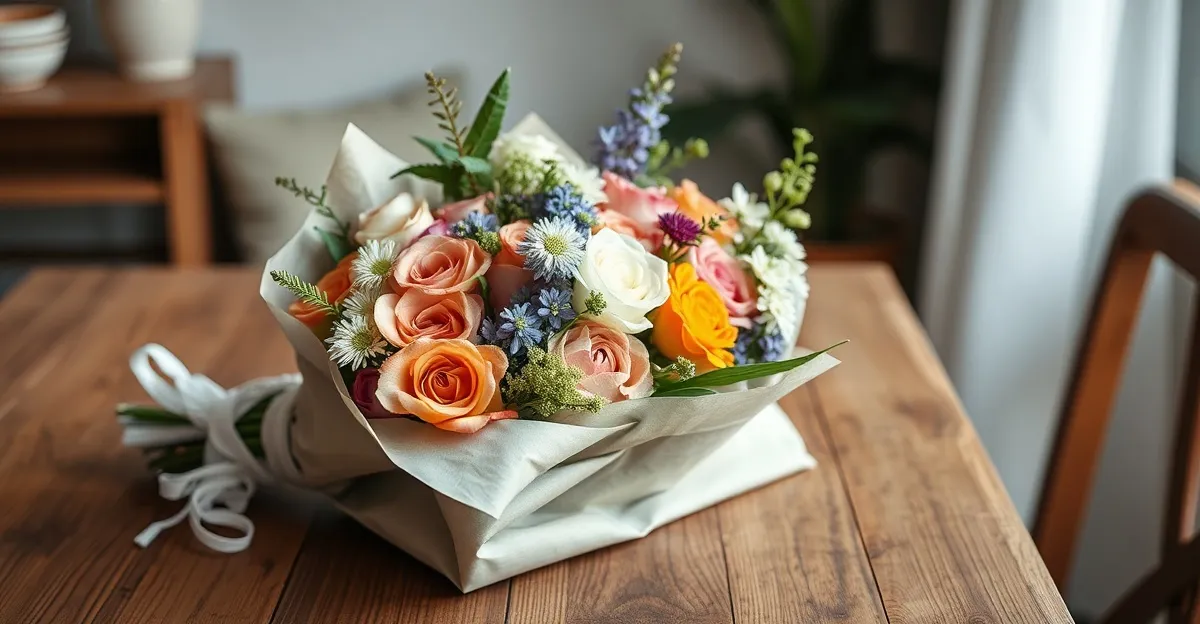
There's a particular kind of displacement that comes with moving to Bali. The island is breathtaking, the lifestyle is genuinely different, and most expats arrive with a clear sense of adventure. But somewhere around month three or four, the novelty settles and what remains is a life that needs to feel like a home rather than a holiday.
For many expats, fresh flowers are one of those small anchors. Back in the Netherlands, the UK, Australia, or wherever home was before Bali, a weekly bunch of flowers from the supermarket or market was a habit so embedded it barely registered. In Bali, sourcing quality cut flowers consistently is more effort. The climate means they don't last as long. The market flowers vary in quality. The nearest decent florist might be twenty minutes away.
A flower subscription solves this quietly but completely. Every Monday, something fresh arrives. The specific bloom changes week to week. But the ritual is the same — and that consistency matters more than the flowers themselves.
What expats lose when they move to Bali
The adjustment to Bali life is well-documented and, for most expats, ultimately positive. But the list of small domestic rituals that get disrupted is longer than people expect:
- A favourite bakery
- The specific brand of cheese you've eaten for twenty years
- Reliable furniture that fits the way you live
- The ambient temperature that lets flowers last two weeks on the kitchen windowsill
That last one sounds trivial until you've thrown out three successive wilted bouquets in a week and stopped trying. Bali's heat defeats cut flowers quickly in an uncontrolled environment. The optimism of buying flowers from Pasar Bunga in Denpasar fades when you come home to drooping petals four days later.
A subscription solves the quality problem (professionally handled arrangements arrive in better condition than market flowers transported in a hot car), the consistency problem (they arrive whether you remember to buy them or not), and partly solves the lifespan problem (flowers from a professional florist are cut and conditioned correctly before delivery).
How expats in different Bali areas use subscriptions
Seminyak and Canggu are where the highest concentration of Western expats lives. Most of these households are in well-appointed villas or apartments with air conditioning in key rooms. Weekly deliveries work perfectly here — the social lifestyle means entertaining is frequent, and fresh flowers fit naturally into the aesthetic many expats have transplanted from home.
Ubud attracts a different expat profile: often longer-term, wellness-oriented, more integrated into local life. Ubud expats are frequently the most enthusiastic about subscriptions precisely because they appreciate the ritual connection to nature. The cooler altitude in Ubud proper (around 480m above sea level) also helps flowers last slightly longer than at the coast.
Sanur has a stable expat community of long-term residents — many of them retired, others running small businesses. This group often has the most established home routines and responds well to the reliability of a subscription. A fortnightly delivery suits many Sanur households, where life moves at a slightly slower pace than Canggu.
Pererenan and Berawa are growing expat neighbourhoods with a younger demographic. Here a weekly subscription often functions as part of a broader effort to create a domestic environment that supports remote work and a stable daily routine.
The psychology of the weekly delivery
Ask a long-term Bali expat what they miss about home and the list includes a mix of practical things (a functioning postal system, consistent product availability) and emotional ones (family, seasons, familiar rhythms). The seasons are particularly telling. In temperate countries, flowers signal season changes. Tulips mean spring. Dahlias mean late summer. Bare trees mean winter. Bali doesn't have those markers, and the absence of seasonal rhythm can contribute to a subtle kind of temporal disorientation.
A weekly flower subscription introduces a small weekly beat into the calendar. Monday: flowers arrive. The florist's seasonal selections — which do shift, even in the tropics, as different things come into season — gradually tune the expat into Bali's own gentler seasonal rhythms. Frangipani in abundance means the end of dry season. Certain orchids come in waves. Marigolds peak around ceremony season.
This isn't the same as watching autumn leaves, but it's its own version of being in a place rather than just passing through it.
Practical considerations for expats
Mobility: Many expats move address more than once in their Bali years — from initial accommodation to a longer rental, sometimes to a second neighbourhood. A subscription with easy address change functionality handles this without any gap in service. Update the address before the next delivery cycle and it routes correctly.
Travel: Expats travel more than locals, whether for work, visa runs, or visiting family. A subscription that allows easy skip and pause functionality is essential. The ability to pause for a three-week trip to Europe and resume with a specific restart date is practical rather than incidental.
Duration: Expat life in Bali can be uncertain in its length. Month-to-month subscriptions without long-term commitment suit the lifestyle better than annual plans, unless you're confident about how long you'll be staying. Three-month terms are a good balance of commitment and flexibility.
Gifting abroad: Some expats use their Bali flower subscription as a reference point when gifting to family back home. They know what a weekly subscription means from personal experience, and they'll sometimes gift one to a parent or sibling through a service in their home country as a way of sharing something they love about their Bali routine.
For more on how gifting a subscription works, gift a flower subscription: a step-by-step guide covers the full process.

The team
your florists
weekly subscription · Bali
We write about flowers because we love them. We deliver them because someone should — properly, weekly, across Bali.
— heyflowerPay once for 3, 6, or 12 months, no auto-renewal.
Building a home away from home
Fresh flowers are part of a broader set of rituals that make an expat living arrangement feel like a genuine home rather than an extended hotel stay. They belong alongside a kitchen stocked with familiar ingredients, artwork on the walls, plants you've personally tended, and relationships with local people who know your name.
None of these individual elements is decisive on its own. Together they create the sense of rootedness that allows a person to function well, feel calm, and derive genuine pleasure from daily life in a new country.
The weekly flower delivery is a small thread in that fabric. But pull it out — go three months without flowers when you've had them your whole adult life — and you'd feel the absence more than you'd expect.
Bali offers extraordinary things that no amount of flowers can replicate: the morning light through rice fields, the smell of incense from a nearby temple, the warmth of a community that genuinely welcomes outsiders. But it also takes things away. A subscription gives one small, reliable domestic ritual back.
For practical guidance on how shoulder season in Bali affects flower availability and what blooms thrive, our florist's notes on seasonal availability are worth reading if you want to know what to expect at different times of year.
FAQ
Will I always get the same flowers each week? No — the arrangement changes based on what's freshest and most beautiful that week. This variety is part of what makes a subscription feel alive rather than static. If you have strong preferences or dislikes, you can note these when signing up.
What if I'm on a long-term visa that requires me to leave Bali every 60 days? The skip feature handles this exactly. Before your visa trip, skip the delivery for the week(s) you'll be abroad. When you return, your subscription resumes normally. Some expats set up a simple note in their phone to remind them to skip before each visa run.
Can I request flowers that are particularly nostalgic for me from home — like sunflowers or tulips? Some northern hemisphere flowers are available in Bali through specialist importers, though they're more expensive and less reliably available than locally grown blooms. You can note preferences when setting up your subscription, and the florists will include them when available.
How does a subscription compare to buying from Pasar Bunga (the flower market) in Denpasar? Pasar Bunga in Denpasar's wholesale flower market near Badung offers good prices but requires a trip, negotiation, and some flower knowledge to select well. Subscription flowers arrive conditioned and ready for a vase. The convenience difference is significant for most expats who don't live near the market and don't want flowers to become a weekly errand.
I'm renting a furnished villa — is a subscription still worth it for a shorter stay of three to six months? Three months is a meaningful enough period to make a subscription worthwhile. You'll likely find it changes how your rental feels within a few weeks. Month-to-month or three-month subscriptions are the right fit for this kind of stay.
Ready to bring fresh flowers to your Bali home or event? Explore our weekly flower subscription and get handpicked blooms delivered to your door every week.



