Champaca flower in Bali: fragrance and ritual use
Discover how the champaca flower's intoxicating fragrance shapes Balinese ritual life, from daily offerings to temple ceremonies and traditional medicine.
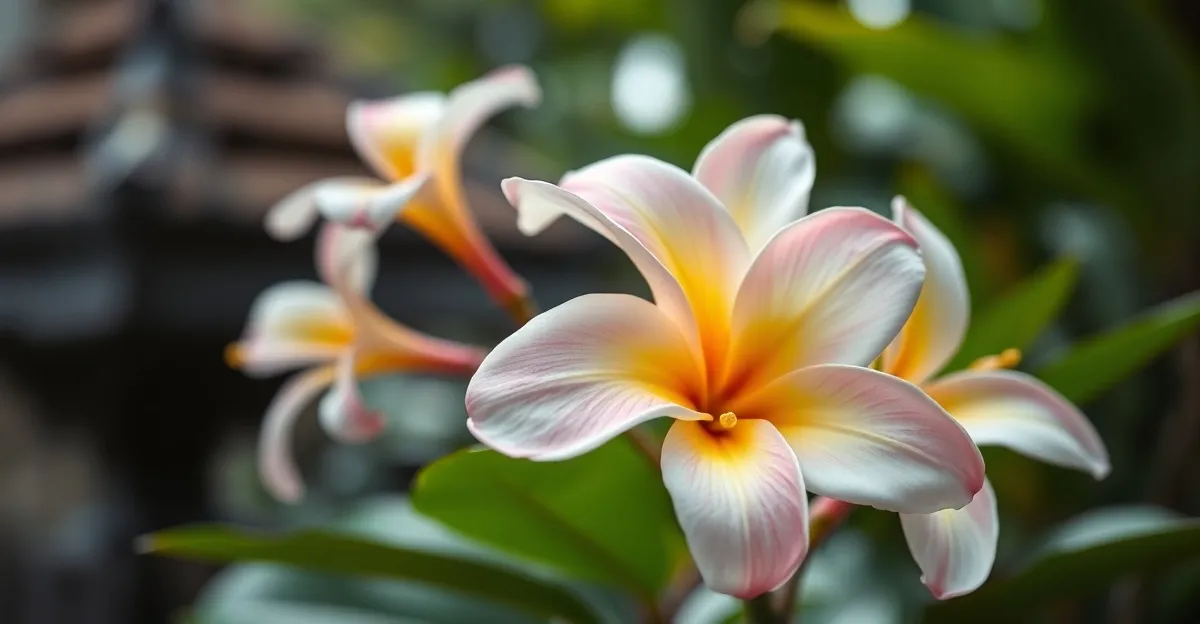
Walk through Ubud's lanes early in the morning, before the motorbikes start up and the cafes pull back their shutters, and you'll catch it — a warm, heavy sweetness drifting from the compound gates. That scent almost certainly belongs to champaca, known locally as cempaka. In Bali it is one of the most spiritually loaded flowers in the entire floral vocabulary, and yet visitors often overlook it in favour of the more photogenic frangipani. If you spend any real time on this island, getting to know champaca will change how you experience every ceremony you attend.
What is champaca and where does it grow in Bali?
Champaca (Magnolia champaca, formerly Michelia champaca) is a medium-to-large tree in the magnolia family. In Bali it grows readily across the island — you'll find it planted inside temple compounds, along the edges of rice paddies in Gianyar, in the gardens of family compounds in Klungkung, and in municipal plantings along roads in Denpasar. The tree does particularly well in Bali's climate: warm and humid year-round, with enough rainfall to keep it flowering almost continuously, though the most intense bloom periods tend to follow the first rains after a dry spell.
There are two main varieties you'll encounter. Yellow champaca (cempaka kuning) produces small, intensely fragrant golden-yellow blooms and is the one most closely associated with Hindu ritual. White champaca (cempaka putih) has slightly larger, milky-white flowers with a softer, creamier scent. Both are used in ceremony, though yellow holds higher ceremonial status.
The flowers are small — rarely more than three or four centimetres across — but they punch far above their size in terms of fragrance. A single bloom placed in a glass of water will perfume an entire room. The perfume industry has long prized champaca: Joy by Jean Patou famously used champaca absolute, and more recently several niche houses have built entire compositions around its warm, tea-like, slightly spiced character.
Champaca in Balinese Hindu ceremony
In Balinese Hinduism, champaca occupies a specific place in the ritual colour and flower system. Yellow flowers are associated with the deity Mahadeva, lord of the western direction, and with the colour scheme of certain offerings. Champaca's persistent golden-yellow flowers make it a natural fit for offerings placed on the western side of a ceremony space or directed toward western-oriented shrines.
You'll find champaca petals strewn across pelinggih (shrine platforms) throughout the island. In canang sari — the small square offering trays that Balinese women prepare every morning — champaca is one of the four flower types arranged by cardinal direction. The small blossoms are placed on the western side, alongside the other directional flowers (usually hibiscus for the east, frangipani variants for north and south, depending on local tradition).
For larger ceremonies like odalan (temple anniversaries) and piodalan (household purification rites), champaca appears in more elaborate forms — woven into jempana (offering towers carried on women's heads), threaded into garlands draped over shrines, and sometimes floated in holy water vessels. The flower's persistent fragrance is not incidental; in Balinese ritual logic, fragrance carries prayers upward toward the divine. A flower that continues releasing scent for hours after being picked is considered especially auspicious.
Priests — pemangku and pedanda alike — often tuck champaca flowers into their hair or place them at their ear before conducting ritual. The flower marks the person as consecrated to a specific purpose during the ceremony.
The scent and its spiritual significance
Balinese people speak about fragrance (arum) in spiritual terms that don't always translate neatly into English. A scent that is pleasing to humans is, by extension, pleasing to the divine. Champaca's fragrance is considered among the most suci (pure, sacred) of all floral scents on the island. This is partly why you find champaca planted inside temple walls rather than just outside: the fragrance is meant to continuously offer itself to the deities housed in the shrine.
There's a practical dimension too. In ceremonies that last through the night — and many do, particularly during significant temple anniversaries in villages across Karangasem and Bangli — champaca's fragrance acts as a kind of aromatic anchor. Participants associate the scent deeply with the ritual state of being sakral (sacred, ceremonially pure).
Traditional Balinese medicine (usadha) also uses champaca. The flowers, leaves, and bark all appear in traditional manuscripts (lontar usadha). The flowers are sometimes used to treat anxiety and promote sleep — observations that modern aromatherapy research has partially corroborated, as champaca absolute has been found to have mild anxiolytic properties in some studies.
Champaca in daily Balinese life
Beyond formal ceremony, champaca is woven into Balinese daily life in ways that are easy to miss. Women selling jajan (traditional snacks) at roadside markets in Sukawati sometimes tuck a champaca flower into their hair, not for decoration but as a quiet offering and a mark of personal spiritual attention. Older women especially continue this practice, which has become less common among younger generations in the more urbanised areas around Kerobokan and Seminyak.
Champaca flowers are sold at every pasar bunga (flower market) on the island, most famously at Pasar Badung in Denpasar and at the flower stalls that line the road near Pura Besakih. They're sold by the bundle — usually a hundred or so flowers loosely tied together — for prices that vary by season and availability. During high-ceremony periods like Galungan and Kuningan weeks, champaca prices spike significantly, sometimes tripling or quadrupling as demand outstrips what local trees can provide.
If you're setting up a home in Bali, even temporarily, planting a champaca tree in your garden is both a practical and symbolic decision. The tree will reward you with almost year-round fragrance, attract ceremonial supplies whenever your Balinese housemates or neighbours need them, and root your property into the island's ritual ecology.

The team
your florists
weekly subscription · Bali
We write about flowers because we love them. We deliver them because someone should — properly, weekly, across Bali.
— heyflowerPay once for 3, 6, or 12 months, no auto-renewal.
Champaca versus other fragrant Bali flowers
Visitors often lump champaca in with frangipani since both are fragrant and both appear in offerings. The differences matter. Frangipani (jepun, genus Plumeria) is originally from Central America and arrived in Bali centuries ago; champaca is native to Southeast Asia and the Indian subcontinent, which partly explains its deeper integration into indigenous ritual systems across the region. You can read more about pairing gardenia with other blooms for context on how different fragrant flowers are used together in Balinese arrangements.
Champaca's scent is also structurally different from frangipani. Where frangipani reads as bright, clean, and tropical, champaca is warmer, richer, almost tea-like with a faint hint of spice. In blended offerings, the two fragrances work surprisingly well together: frangipani provides the top note clarity and champaca supplies the warm base.
Gardenias are another fragrant flower sometimes used alongside champaca in larger ceremonies, though they're less consistent in their availability and more expensive to source.
Frequently asked questions
Can visitors use champaca flowers in personal offerings? Yes, with respect. If you're making a simple canang sari or a personal offering, using champaca is entirely appropriate. The key is intention and care in the preparation. Buying flowers from local markets rather than picking them from temple trees shows the right level of respect.
Does champaca flower year-round in Bali? It flowers almost continuously, but production peaks in the cooler, drier months (roughly June to September) and again after the first substantial rains of the wet season. Mid-dry season blooms tend to have the most concentrated fragrance.
How long do champaca flowers last after being picked? Fresh champaca blooms typically last 12 to 24 hours before browning at the edges. This is why offering makers in Bali prepare canang early each morning — the flowers are at their best for the morning and midday offerings.
Is champaca used in Balinese cooking? Occasionally, in traditional contexts. Champaca flowers can be infused into rice water for ceremonial uses, and some areas use the flower water for flavouring during certain ritual preparations. It's not a common everyday cooking ingredient.
Can I buy champaca flowers for delivery in Bali? Yes, through Balinese flower markets and services like heyflower.co. Champaca bundles are particularly popular during ceremony season, so it's worth ordering in advance if you know you'll need them for a specific date.
Ready to bring fresh flowers to your Bali home or event? Explore our weekly flower subscription and get handpicked blooms delivered to your door every week.



