Can sweet pea grow in Bali? A florist's perspective
Sweet peas are cool-season plants that rarely thrive in Bali's tropical climate. A local florist explains what's actually possible and where the blooms come from.
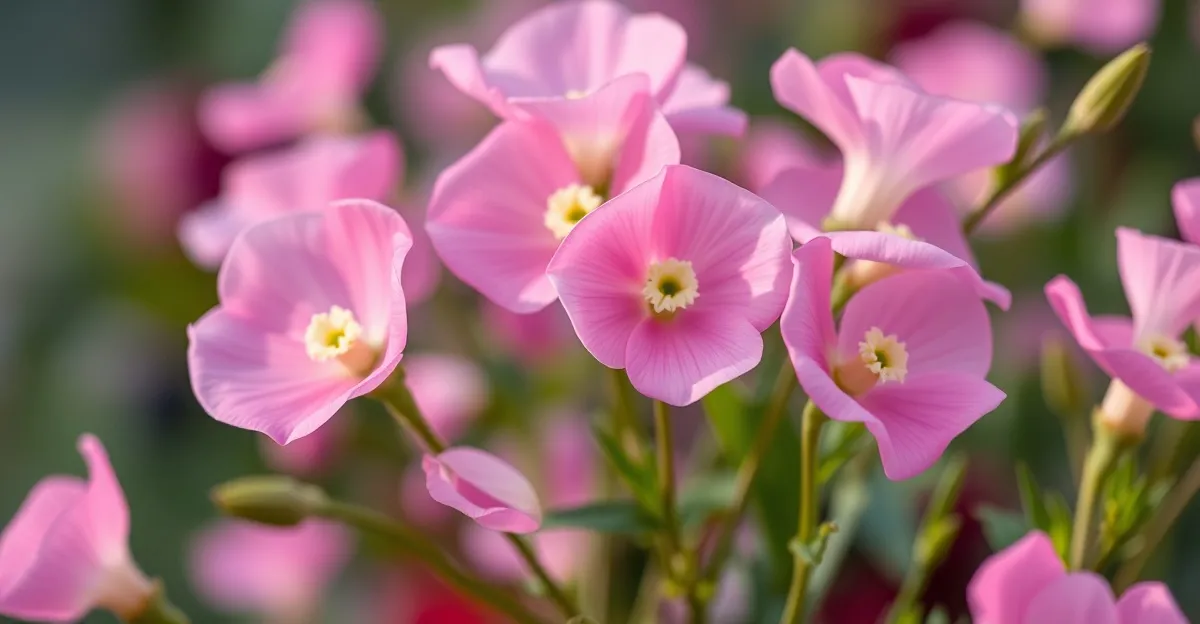
Every few months, someone asks me whether they can grow sweet peas in their Bali garden. It usually comes up after a wedding where sweet peas featured in the arrangements — those soft, ruffled blooms with the extraordinary scent tend to leave an impression. People want more of them, and the thought of growing their own is appealing.
The honest answer is: it's complicated, and for most of Bali, it's not going to work the way you're hoping. But let me explain the reasoning properly, because the nuances matter — especially if you live in Bali's cooler highland areas.
What sweet peas actually need to grow
Sweet peas (Lathyrus odoratus) are cool-season annuals native to the Mediterranean. They germinate best in soil temperatures of 10–18°C, and while they can tolerate a light frost, they struggle when daytime temperatures consistently push above 25°C. Above that threshold, the plants stop flowering, their foliage yellows, and they typically die off within a few weeks.
They also need:
- Long days (or at minimum, neutral day length) to flower well. In equatorial Bali, days are relatively consistent at around 12 hours year-round, which isn't ideal for peak flowering.
- Well-draining, fertile soil. They're actually not too picky here — a good quality compost mix works.
- Something to climb. Sweet peas are vining plants and need a trellis, fence, or bamboo frame. This part Bali can definitely supply.
- Consistent moisture without waterlogging. Bali's wet season delivers intense downpours rather than the gentle, sustained rainfall sweet peas prefer.
The central problem is temperature. Lowland Bali — Seminyak, Canggu, Kerobokan, Sanur, Ubud town, the Bukit peninsula — sits at near sea level and rarely drops below 22°C even at night. That's already at the outer edge of what sweet peas can tolerate, and daytime highs of 32–33°C are simply too hot for productive growth.
The exception: Bali's highland areas
Bali's interior highlands offer meaningfully different conditions. The areas around Bedugul, Munduk, and parts of Kintamani sit at 1,000–1,700 metres above sea level. Nights there can drop to 14–18°C, particularly in the dry season (April–October), and daytime highs rarely exceed 25–26°C.
In these zones, sweet peas are actually grown commercially, albeit on a small scale. Local farmers in the Bedugul area — the same region that supplies most of Bali's cut orchids, marigolds, and chrysanthemums — do occasionally produce sweet peas for the domestic flower market. The dry season months of June through August give the most reliable results.
If you live in Tabanan district or the Kintamani highlands and have a shaded, sheltered garden patch with cool nights, it's worth experimenting. Sow seeds in April or May for dry season flowering, choose a location with morning sun and afternoon shade, and don't expect the same vigorous results you'd see in a cool-climate garden.
Why most sweet peas in Bali are imported
The commercial reality is that the majority of sweet peas used by Bali florists come from Java — particularly from the Lembang area near Bandung, West Java, which sits at about 1,300 metres elevation and has a reliably cooler climate than most of Bali. Some premium florists also source from overseas, particularly for wedding season when demand spikes.
The supply chain matters for understanding freshness. Flowers cut in Lembang typically spend a day in transit to Bali — by truck to Surabaya or Jakarta, then by air or sea freight to Denpasar. Well-run florists with cold storage can keep these flowers in good condition, but flowers that have sat in the heat during any part of that journey will have a noticeably shorter vase life.
If you're ordering sweet peas for a specific event in Bali, ask your florist where and when the flowers were sourced. A good florist — whether in Seminyak, Ubud, or Canggu — will be able to tell you. Those who can't are usually working with whatever came off the truck that morning.
Growing sweet peas in containers in lowland Bali
Some gardeners in Bali have had limited success growing sweet peas in containers kept in air-conditioned rooms or covered areas with consistent cooling. This is a workaround more than a genuine growing environment, and the plants tend to be leggy and slow-flowering compared to highland specimens.
If you want to try it:
- Use a large container (at least 40cm deep) with excellent drainage
- Fill with a mix of quality compost and perlite
- Keep in a shaded area that gets filtered morning light
- Water consistently but not excessively
- Apply a diluted liquid fertiliser fortnightly
- Accept that results will be modest — you're fighting the climate
For most people, the effort-to-reward ratio makes this unviable for cut flowers. It might be worth it for the gardening experience, but if you want sweet peas for a bouquet or arrangement, buying from a florist remains far more reliable.
Alternative cool-season flowers that do better in Bali
If you love the soft, romantic look of sweet peas but want something more reliably grown, a few alternatives behave better in Bali's climate:
- Lisianthus has a similar ruffled petal structure and softer pastel palette, and handles tropical conditions far better. See the lisianthus meaning and symbolism guide for gifting context.
- Carnations may lack the romance factor but are extraordinarily durable in heat and humidity.
- Local orchids are Bali's answer to ornamental cut flowers — stunning, long-lasting, and genuinely grown on the island.
- Freesia has a comparable fragrance appeal and handles the climate somewhat better than sweet peas, though it still prefers cooler conditions.

The team
your florists
weekly subscription · Bali
We write about flowers because we love them. We deliver them because someone should — properly, weekly, across Bali.
— heyflowerPay once for 3, 6, or 12 months, no auto-renewal.
Seasonal timing for sweet peas in Bali
If you're planning an event and want sweet peas featured, timing matters:
- April through August (dry season) is the best window. Temperatures are slightly lower, humidity drops, and highland growers are producing. Supply is more reliable and flowers are fresher.
- November through February (peak wet season) is the hardest period. Heat and humidity are at their highest, the supply chain from highland growers is less consistent, and vase life is shortest. It's not impossible, but expect to pay more for less guarantee of quality.
- March, September, October are shoulder periods — workable with a good florist who manages cold storage well.
For more on how the seasons affect flower availability and delivery in Bali, the shoulder season flower guide is worth reading before you finalise event dates.
FAQ
Can I grow sweet peas in my Bali garden? In lowland Bali (below 500m elevation), successful sweet pea growing is very difficult due to heat. In highland areas like Bedugul or Munduk, it's possible during the dry season (April–August) with careful attention to timing and siting.
Where do sweet peas sold in Bali florists come from? Mostly from the Lembang/Bandung highland area of West Java, which has a cooler climate suited to sweet peas. Some are sourced from domestic growers in Bedugul during peak dry season. Premium florists may import from Australia or elsewhere for wedding season.
When is the best time to buy sweet peas in Bali? April through August offers the best availability and quality. Wet season (November–February) sweet peas are more expensive, less consistent, and have a shorter vase life.
What altitude do I need to grow sweet peas successfully in Bali? Aim for at least 800–900 metres above sea level, ideally higher. The Bedugul area (around 1,200–1,500m) is the most viable zone on the island.
Are there sweet pea varieties that tolerate tropical heat better? Heat-tolerant sweet pea varieties have been bred, but even these struggle above 28–30°C. They may perform marginally better in Bali's transitional season months, but no variety has been bred specifically for lowland tropical conditions.
Ready to bring fresh flowers to your Bali home or event? Explore our weekly flower subscription and get handpicked blooms delivered to your door every week.
More on Sweet pea