Can freesia grow in Bali? A florist's perspective
A Bali florist explains whether freesia can genuinely be grown on the island, what the challenges are, and where to source it for arrangements and events.
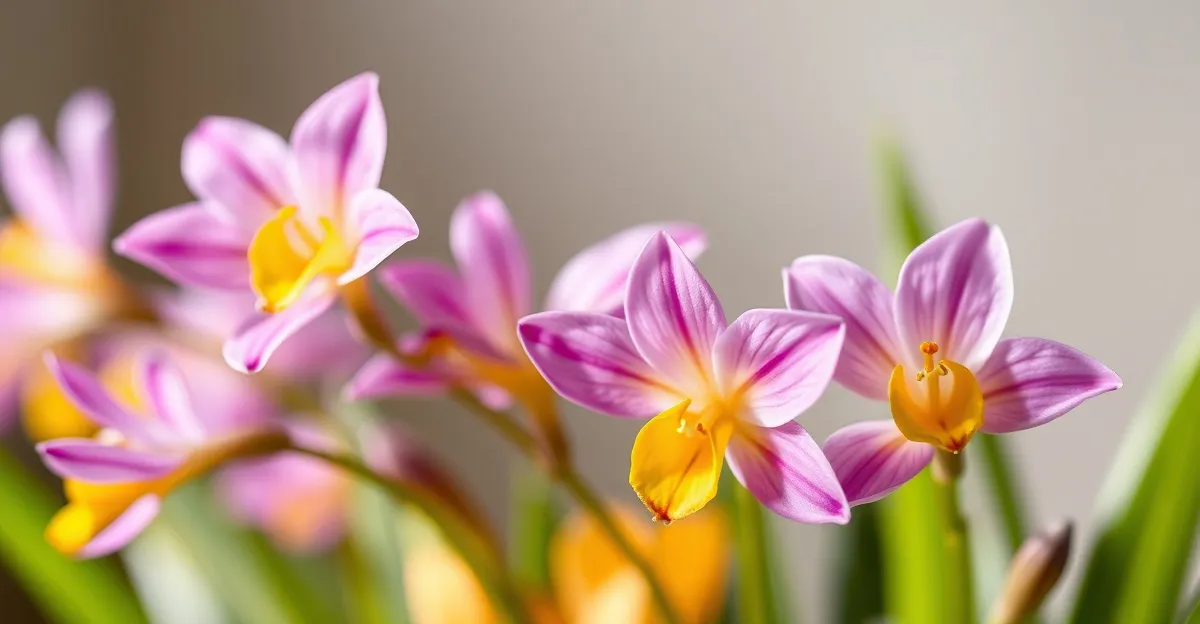
Freesia is one of the most-requested flowers by expats and visitors arriving in Bali — people who have grown up buying those small, fragrant stems from European markets, who remember the scent distinctly, and who hope to find the same flower here on the island. The question of whether freesia can actually be grown in Bali, or whether it must always be imported, comes up regularly.
The short answer is: growing freesia successfully in Bali is genuinely difficult but not impossible. The longer answer requires understanding why freesia behaves the way it does, what conditions it needs, and how Bali's climate either meets or falls short of those requirements.
What freesia actually needs to grow
Freesia (Freesia spp.) is native to the Cape region of South Africa — a region with a cool, dry climate with mild winters and warm, dry summers. It's a deciduous corm (a bulb-like structure) that follows a clear seasonal cycle:
- Corms planted in autumn as temperatures cool
- Foliage emerges through winter
- Flowers appear in late winter to early spring
- Foliage dies back as temperatures rise in summer
- Corms remain dormant through the hot, dry summer
The critical requirements are:
Cool temperatures for initiation: Freesia corms need to experience cool soil temperatures (10–15°C) to break dormancy and initiate growth. Without this cold trigger, they often fail to flower.
Dry dormancy: During summer dormancy, corms need to be kept dry. Wet conditions during dormancy cause them to rot.
Well-drained soil: Even during the growing season, freesia cannot tolerate waterlogged roots.
Now compare this to Bali's conditions.
Bali's climate versus freesia's requirements
Bali sits about 8 degrees south of the equator. Year-round temperatures range from roughly 23°C at night to 33°C during the day. Even in the cool season (June–August), nighttime temperatures in lowland Bali rarely drop below 22°C — significantly warmer than the 10–15°C freesia needs to initiate flower production.
This is the fundamental problem. In most of Bali — including the southern areas of Kuta, Seminyak, Canggu, Ubud, and the Bukit Peninsula — temperatures never get cold enough to trigger freesia flowering reliably.
The humidity problem: Bali's wet season (approximately October through March) brings intense rainfall and persistent humidity. This is precisely the opposite of the dry dormancy period freesia requires. Corms left in the ground during this period will almost certainly rot.
The honest assessment from a florist's perspective: growing freesia outdoors in Bali's lowlands is not viable for consistent flowering. You will likely get occasional growth but rarely flowering, and the corms will almost certainly fail to survive multiple seasons.
Where freesia can grow in Bali: the highlands
The island's geography offers a partial exception. Bali has a volcanic spine running through its centre, and at higher altitudes the climate changes significantly.
In the highlands around Kintamani, Bedugul, and the area around Lake Batur and Lake Bratan, nighttime temperatures can fall to 15–18°C in the dry season (June–September). This is closer to what freesia needs, though still marginally warmer than optimal.
Commercial cut flower growing does happen in these highland areas. Bedugul's flower market (Pasar Bunga Bedugul) is a significant source of cool-climate flowers for the Bali market, including some freesia.
However, even in the highlands, consistent freesia cultivation is challenging. Most highland growers report:
- Inconsistent flowering (some seasons good, others poor)
- Shorter growing seasons than in their native South African climate
- Significant challenges with the rainy season, which overlaps with the period when corms need to be dry
If you want to experiment with growing freesia at altitude in Bali, the Bedugul and Kintamani areas give you the best chance. Use raised beds with excellent drainage, plant in June at the start of the dry season, and be prepared for variable results.
How freesia actually reaches Bali
The freesia sold in Bali's flower markets and used by the island's florists is predominantly imported. The main sources are:
Java highlands: The Malang plateau and Dieng Plateau in Central Java have cooler climates more suited to temperate flower growing. Java supplies a significant portion of Bali's cool-climate flower imports, including freesia when in season.
Sulawesi: The highlands of Sulawesi produce some cut flowers, though less consistently than Java.
Direct import from the Netherlands: For weddings and large events, some Bali florists import directly from the Netherlands, the world's largest cut flower producer. This is more expensive but gives access to a wider range of freesia varieties and year-round availability.
Freesia availability in Bali therefore follows Java's growing season more closely than anything on the island itself. Peak quality is typically April through September.

The team
your florists
weekly subscription · Bali
We write about flowers because we love them. We deliver them because someone should — properly, weekly, across Bali.
— heyflowerPay once for 3, 6, or 12 months, no auto-renewal.
What to do if you want freesia in Bali
If you're a home gardener wanting to grow freesia for your own use:
-
Container growing with controlled conditions: Growing in pots gives you more control over soil temperature and drainage. In an air-conditioned environment (cooler than ambient Bali air), a pot of freesia near a cool wall might get close to adequate growing conditions. This is experimental rather than reliable.
-
Purchase pre-chilled corms: Some specialty garden suppliers sell pre-chilled freesia corms that have already received their cold treatment. These can be planted and may flower once without the cold-initiation step, though they won't reliably rebloom.
-
Accept highland-grown results: If you live in or near the Bedugul area, proper outdoor growing is the most realistic option.
If you're ordering freesia for events or arrangements:
- Order through florists who can source from Java or direct import
- Book well in advance for large orders, particularly during the wet season when supply is lower
- Consider alternatives with similar characteristics for events happening November–March, when freesia supply in Bali is at its most limited
Our guide to the best flowers for retreat welcome in Bali includes alternatives to freesia that are more reliably available year-round for events.
FAQ
Can I buy freesia plants or corms in Bali? Occasionally, yes — particularly at the Bedugul flower market and some ornamental plant nurseries in Denpasar and Gianyar. But availability is inconsistent, and the plants sold are often not varieties optimised for lowland tropical growing.
If freesia won't grow in most of Bali, can I at least keep a potted freesia alive? You can keep the foliage alive in a cool, indoor environment, but getting it to flower reliably in Bali's lowlands is unlikely without artificial cold treatment or growing at significant altitude.
Are there flowers that look and smell like freesia but grow better in Bali's climate? For fragrance, tuberose and jasmine are widely grown in Bali and produce intense, beautiful scents. For the delicate, multi-flowered stem aesthetic, alstroemeria and small orchid varieties available locally offer a similar silhouette without the cold requirement.
When is freesia most available in Bali's florists? The most reliable availability is April through August, when Java's highland growing season is at its peak and imports are plentiful. November through February sees the lowest availability and highest prices.
Why does freesia sometimes smell different in Bali compared to freesia from Europe? Fragrance intensity in cut flowers is partly a function of how recently the flowers were cut and how they were transported. Freesia flown to Bali from the Netherlands or Java and handled carefully can smell as intensely as European market freesia. Older stock, or flowers that have been in transit for too long, loses fragrance. Ask your florist for the freshest delivery.
Freesia's beautiful fragility is part of its charm — it doesn't grow everywhere, which is precisely why it's worth seeking out. For those who love it, the occasional extra effort to source it in Bali is absolutely worth it. Ready to bring fresh flowers to your Bali home or event? Explore our weekly flower subscription and get handpicked blooms delivered to your door every week.
More on Freesia