Bali wedding flower season month-by-month
Planning a Bali wedding? Flower availability changes significantly across the year. Here's a month-by-month guide to what blooms are at their best and when to book.
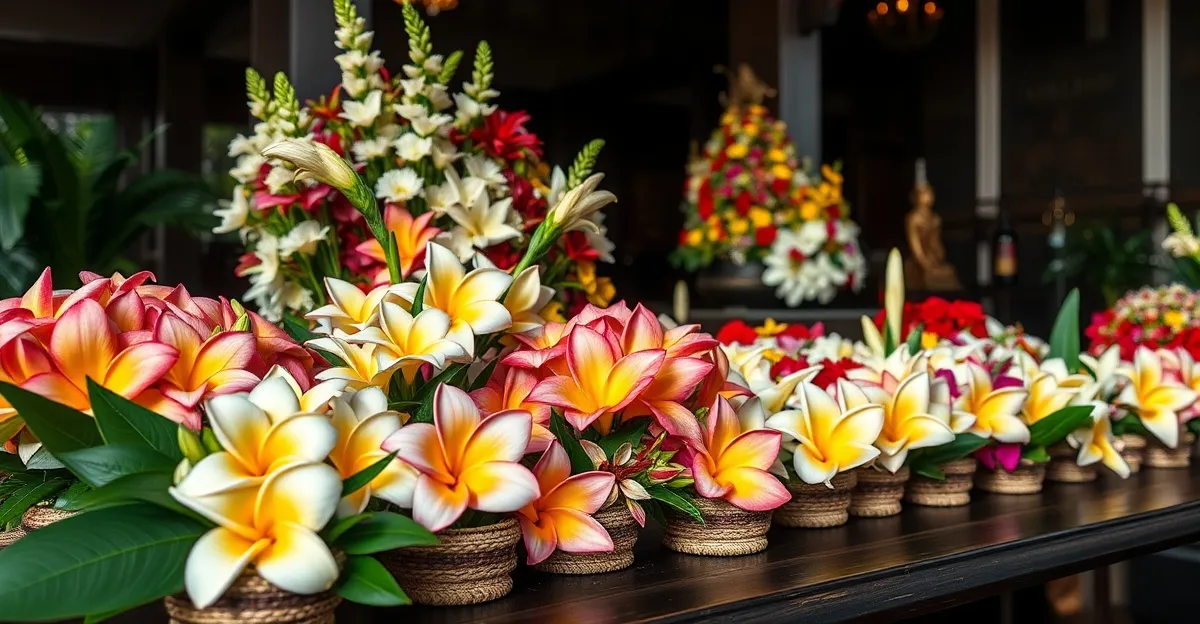
One of the less-discussed dimensions of planning a Bali wedding is that the island has a genuine seasonal flower calendar. What's available, fresh, and local changes significantly across the year. Get married in July and you'll have abundant dry-season availability. Marry in January and you're working in the heart of monsoon season. The flowers you can feature — and what they cost — depend on when you choose.
This guide goes month by month through the year so you can plan your florals with full knowledge of what Bali's seasons offer.
January: monsoon abundance, import challenges
January sits in the wettest part of Bali's monsoon season. Rain can be heavy and consistent, particularly in the south and highlands. Road delays are common, and outdoor wedding setups require more planning around wet-weather contingencies.
On the positive side, Bali's local flower gardens are lush and productive in January. Marigolds, tropical orchids, heliconias, torch ginger, anthuriums, and birds of paradise are all in excellent condition — grown locally in the highlands around Bedugul, Kintamani, and Bangli. Frangipani drops freely from trees in the wet season warmth.
The challenge in January is imported flowers. Freight conditions can make imported roses, peonies, and lisianthus harder to source reliably. If your wedding vision depends heavily on imported European varieties, January requires a florist with strong supply chain relationships and potentially higher costs.
Best local choices for January: Heliconias, torch ginger, tropical orchids, anthuriums, birds of paradise, marigolds, local garden roses (grown in Bedugul).
February: the height of the wet season
February shares most of January's characteristics — abundant tropicals, rain risk, import challenges. The wet season heat and humidity are intense, which means cut flowers need careful handling. For outdoor ceremonies, build in sun shades, floral misting, and setup timing that minimises exposure.
February has one advantage: it's low season, so wedding vendors including florists are more available, more flexible on pricing, and able to give more personalised attention. If you don't mind the rain risk, February can be one of Bali's more cost-effective months for a wedding.
March and April: transition into dry season
March through April is Bali's shoulder season — rain tapering off, humidity still high, days becoming more reliably sunny. This transition period is excellent for weddings because the island feels less crowded than peak season, venues are more available, and the range of flowers begins to expand.
By late March, some imported varieties become more reliably available as freight conditions ease. Local flowers remain abundant. The Bedugul highland growing area (around the Bali Botanical Garden and Lake Beratan) is producing excellent cut flowers including local garden roses, snapdragons, and carnations.
The shoulder season months offer some of the best value for Bali weddings in terms of flower availability, vendor availability, and overall cost. Shoulder season (Apr, Oct): flowers that thrive covers this period in more depth.
May: the sweet spot begins
May marks the beginning of Bali's dry season and the beginning of peak wedding season. Temperatures moderate slightly (by Bali standards — still 28–30°C in most areas), humidity drops, and skies become reliably clear. These are excellent conditions for outdoor ceremonies and photography.
Flower availability is broad in May. Local tropicals continue in force, while imported varieties are now reliably available and well-priced. This is one of the best months to plan a full-range floral palette: local orchids and heliconias alongside imported roses, ranunculus, and peonies.
Book your florist early for May — it's a popular month, and good florists fill up.
June and July: peak season, peak demand
June and July are arguably the most popular months for Bali weddings. Dry, sunny, reliably beautiful weather. All flower varieties are available. But demand is high — from weddings, corporate events, and the flood of tourists at mid-year.
What this means practically: florists are busy, imported flower supply can be strained (prices go up), and vendor availability requires early booking. For a June or July wedding, confirm florals six months or more in advance for anything complex.
The upside is that virtually any flower you want is achievable in this window. Roses, peonies, anemones, tulips (shipped cold), ranunculus, lisianthus — alongside the full range of local tropicals. Florists have their pick of what's available.
For dramatic ceremony aisle flowers that photograph well in bright July sunlight, 10 dramatic flower picks for a Bali wedding aisle has specific recommendations.
August: peak continues
August has the same dynamic as July. Dry, beautiful, high demand. August is particularly popular with Australian visitors (their winter school holidays) and European couples. Book everything early — often eight to twelve months in advance for premium dates.
One thing to note in August: the peak season pricing premium is real. Flower packages in August can cost 15–30% more than in the shoulder months, partly because imported flower freight costs peak, and partly because demand simply outstrips supply on busy weekends.
September: high season winds down
September starts to see the high season ease. Weekend bookings are still strong, but midweek availability opens up. Prices begin to normalise. Weather remains excellent — dry season conditions typically hold through to mid-October.
September is a good month to get high-season quality at slightly lower prices. Flowers are abundantly available, the weather is beautiful, and vendors have slightly more flexibility.

The team
your florists
weekly subscription · Bali
We write about flowers because we love them. We deliver them because someone should — properly, weekly, across Bali.
— heyflowerPay once for 3, 6, or 12 months, no auto-renewal.
October: second shoulder season
October is Bali's second shoulder month — transitioning from dry season back toward wet season. Most of October is still dry and pleasant. Flower availability mirrors April: very good across both local and imported varieties.
Some years, the first monsoon rains arrive in October; other years, October stays dry until its final weeks. Plan outdoor ceremonies with a wet-weather contingency but don't expect it to be necessary.
November through December: wet season returns
November brings the wet season back. Rain is heavier and more frequent by December. This affects outdoor ceremony planning significantly. Covered pavilion ceremonies or villa ceremonies with robust wet-weather setups are recommended.
December has a second peak for weddings: Christmas and New Year period. This creates high demand that mirrors July–August in some respects, with pricing to match. If you're planning a December wedding, book well ahead.
The flower dynamics echo January–February: local tropicals are excellent, imports are more complicated. A good Bali florist who knows the local growing areas can create beautiful monsoon-season arrangements that lean into what's naturally abundant.
How to work with your florist on seasonal planning
The most important thing is to be honest with your florist about which flowers are essential to your vision and which are flexible. If you dream of a peony-heavy garden-style arrangement and you're marrying in January, there's a conversation to be had about cost and alternatives.
A good Bali florist will always tell you what's genuinely available, what can be sourced with advance planning, and what the seasonal alternatives are that might surprise you. Sometimes the local flower that replaces the imported one turns out to be more beautiful in the Bali setting anyway.
FAQ
Which month offers the best overall value for Bali wedding flowers? May and September tend to offer the best combination of weather, flower availability, and reasonable pricing — good conditions without the peak-season premium.
Can I get roses in Bali in January? Yes, but they require import and are more expensive and less reliable than in the dry season. Locally grown roses from Bedugul are a better January option.
How far in advance should I book a florist for a peak season Bali wedding? Six months minimum for most couples; eight to twelve months if you want a top-tier florist for a July or August date.
Do flower prices in Bali really change that much between seasons? Yes. Imported flower costs can vary 20–40% between peak and low season. Local flowers are more stable but still have mild seasonal price movements around major ceremony days.
Is it harder to keep flowers fresh at outdoor Bali weddings in the wet season? The issue in wet season is less about rain and more about high humidity and heat. Hardy tropical flowers hold up well. Delicate imported varieties like garden roses and peonies need more careful staging — keep them out of direct sun until the last moment before the ceremony.
Ready to bring fresh flowers to your Bali home or event? Explore our weekly flower subscription and get handpicked blooms delivered to your door every week.



