Amaryllis in Balinese Ceremonies: Traditional Uses in Bali
Explore the role of amaryllis in Bali's rich ceremonial culture — from temple offerings to wedding traditions and the flowers' spiritual significance.
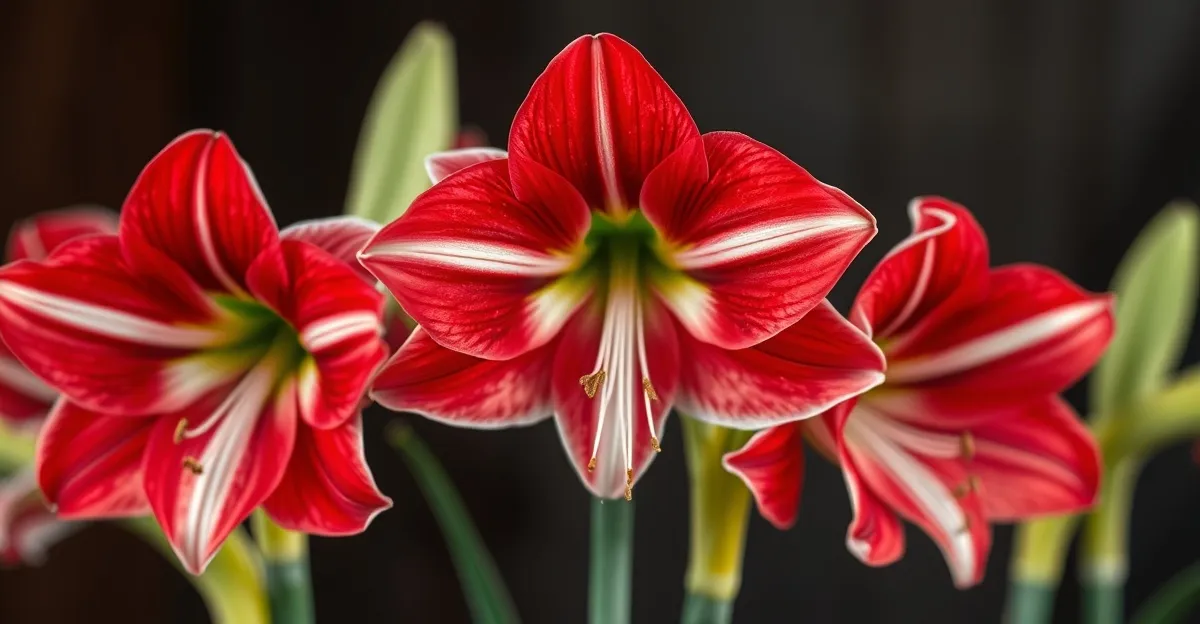
Bali is a place where the spiritual and the sensory are permanently intertwined. Every temple, every crossroads, every household entrance holds small offerings of flowers, incense, and rice. The island's ceremonies — births, deaths, marriages, harvests, the turning of the Balinese calendar — are marked with extraordinary floral artistry that reflects centuries of tradition. Understanding where amaryllis fits into this world requires both honesty and nuance.
The direct answer is that amaryllis is not a traditional Balinese ceremonial flower in the way that frangipani, marigold, or hibiscus are. It arrived in Bali through the same modern trade networks that bring it everywhere else. But the more interesting question is how amaryllis integrates into Bali's ceremonial and decorative life today, and what role it plays for both Balinese people and the international community living and visiting here.
Traditional Ceremonial Flowers in Bali
To understand amaryllis's place, it helps to first understand the flowers that are truly traditional to Balinese ceremony.
The Core Ceremonial Palette
The canang sari — the small, beautifully arranged palm-leaf offering found everywhere in Bali — traditionally uses flowers whose symbolism is deeply embedded in Balinese Hindu understanding:
Frangipani (jepun): The sacred flower of Bali par excellence. White frangipani is associated with Siwa, purity, and the transition between worlds. It is found in virtually every temple and ceremony.
Marigold (gumitir): Yellow marigold is a primary offering flower, associated with divine strength and purification. Its vivid colour and readily available local supply make it one of the most commonly seen ceremonial flowers.
Hibiscus (pucuk): Particularly red hibiscus, associated with Brahma and fire. Used in specific ritual contexts.
Lotus (padma): The lotus holds profound spiritual significance as the seat of divine consciousness. White and pink lotus varieties appear in the most elevated ceremonial contexts.
Sampaguita jasmine (melati): Small white jasmine flowers threaded into garlands are used in many ceremonial and social contexts.
These flowers are locally grown, immediately available, and carry symbolic associations that have been part of Balinese Hindu practice for many generations. Amaryllis is none of these things, and it would be inaccurate to suggest otherwise.
Amaryllis in Contemporary Balinese Ceremonial Life
However, "traditional" and "current" are different things, and Bali's ceremonial culture is not static. Over the past generation, Bali has become one of the world's most international places — a destination where hundreds of thousands of people from dozens of countries live, work, and celebrate. Ceremonial florals have adapted to reflect this.
Metatah (Tooth Filing) and Coming-of-Age Ceremonies
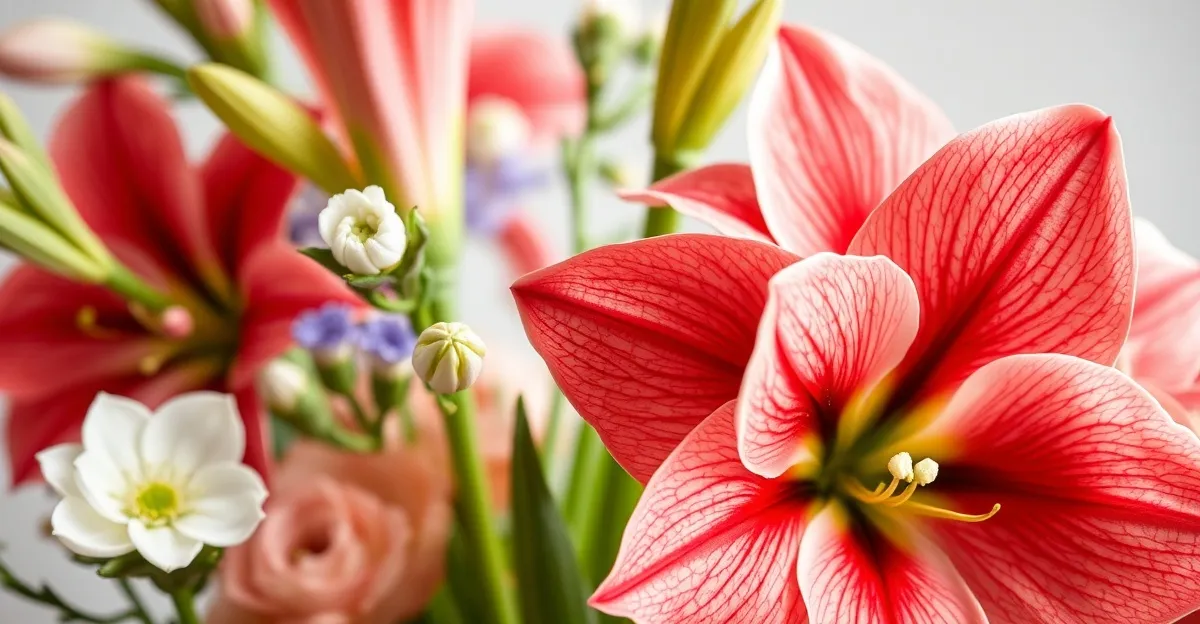
Metatah, the tooth-filing ceremony marking a young person's transition to adulthood, is one of the most important rites in a Balinese Hindu life. The ceremonial space is decorated extensively with flowers. In modern celebrations, particularly for well-traveled or internationally connected families, amaryllis arrangements are sometimes incorporated into the decorative florals — not as offering flowers, but as decorative elements in the reception and gathering spaces.
This is a meaningful distinction: the ceremonial offering objects themselves maintain traditional flower content, while the event decoration incorporates contemporary and imported flowers to create an aesthetic that reflects the family's cosmopolitan sensibility.
Ngaben (Cremation) Ceremonies
Ngaben — the Balinese cremation ceremony — is one of the most elaborate rituals in Balinese Hindu practice. The ceremony is a celebration of liberation: the soul freed from the body to continue its journey. Flowers play an enormous role in decoration, both in the cremation tower (bade) and in the ceremonial procession.
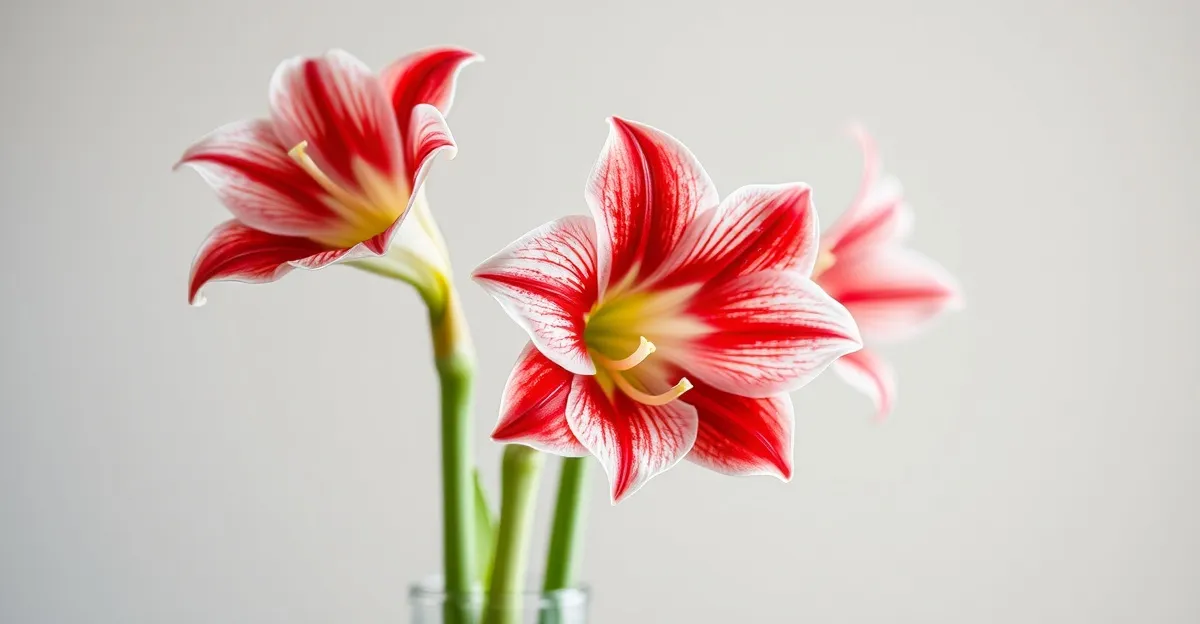
White flowers dominate the traditional palette for ngaben — white is the colour of purification and the divine. Modern ngaben ceremonies in urban Bali sometimes incorporate white amaryllis into the decorative elements, particularly when the family wishes to create a more contemporary aesthetic alongside traditional elements. The stately, white trumpet of an amaryllis is tonally consistent with this ceremonial register.
Odalan (Temple Festival) Decoration
Every Balinese temple has its own odalan — an anniversary ceremony that occurs every 210 days on the Balinese Pawukon calendar. Temple courtyards are elaborately decorated with handwoven bamboo structures, parasols, and vast quantities of flowers.
Amaryllis, with its large, impactful blooms, can occasionally be found in the decorative arrangements of temples that have connections to the tourism economy and where decorative practice has evolved to incorporate more diverse flowers. In purely traditional villages with less outside contact, the flower palette remains closer to the traditional core.
Amaryllis for Bali's Expatriate Ceremonial Community
A significant dimension of amaryllis in Balinese ceremonial contexts relates not to Balinese Hindu ceremony specifically, but to the ceremonies of the international community living in Bali.
Destination Weddings
Bali is one of the world's most popular destination wedding locations. Thousands of couples each year from Australia, Europe, Asia, and beyond choose Bali for their weddings, and these events often create a synthesis of Western wedding traditions and Balinese aesthetic influence. Amaryllis, a dramatic and luxurious flower with Western associations, appears frequently in these celebrations.
For destination weddings on Bali's southern coast — Uluwatu clifftops, Jimbaran beachfronts, Seminyak villas — amaryllis can feature in ceremony arches, altar arrangements, table centrepieces, and bridal party florals. It carries the visual weight needed for outdoor ceremonies in expansive natural settings, where smaller flowers can simply disappear into the scale of the surroundings. You can read more in our detailed guide to amaryllis in wedding bouquets.
Resort and Hospitality Florals
Bali's luxury resort industry creates a significant demand for dramatic, premium flowers in lobby arrangements, restaurant centrepieces, and villa welcome arrangements. Amaryllis is a favourite for these contexts — it has the scale and presence to work in large interior spaces, and it photographs exceptionally well, which matters in Bali's Instagram-saturated hospitality economy.
Yoga Retreats and Wellness Ceremonies
Bali hosts an extraordinary number of yoga retreats, healing ceremonies, and wellness gatherings. These often incorporate flower offerings and ceremonial elements — sometimes drawing on Balinese tradition, sometimes creating their own new ritual vocabulary. Amaryllis appears in these contexts as a decorative element whose drama feels appropriately ceremonial without being specifically tied to any one tradition.
The flower subscription service for villa rentals in Canggu that we offer at heyflower.co serves many retreat hosts who want fresh, impressive flowers on an ongoing basis.

The team
your florists
weekly subscription · Bali
We write about flowers because we love them. We deliver them because someone should — properly, weekly, across Bali.
— heyflowerPay once for 3, 6, or 12 months, no auto-renewal.
A Respectful Approach to Ceremonial Flowers in Bali
If you're considering incorporating flowers into a ceremony in Bali — whether a traditional Balinese ceremony you're participating in, a destination wedding, or a wellness event — a few principles help navigate the landscape respectfully:
Learn the distinction between offering and decoration: Traditional Balinese offerings maintain their own sacred logic and should use appropriate flowers. Decorative elements for the gathering space around a ceremony can incorporate a wider range.
Consult local knowledge: If you're collaborating with a Balinese coordinator, priest (pedanda), or ceremony host, let their guidance about appropriate flowers take precedence.
Honour the season and availability: Using locally available flowers where possible reduces your footprint and aligns your event more naturally with its setting.
Work with experienced florists: Florists like heyflower.co who operate in Bali every day understand these distinctions and can advise appropriately.
Frequently Asked Questions
Can I include amaryllis in a Balinese-style wedding ceremony?
Yes, as a decorative element in the event space. For the specifically religious and offering components of a Balinese ceremony, traditional flowers (frangipani, marigold, lotus) should be used. For the celebratory decoration around the ceremony, amaryllis is a beautiful and appropriate choice.
Is amaryllis grown locally in Bali for ceremonial use?
Not extensively. Most commercial amaryllis in Bali is sourced from Java or imported from the Netherlands. Bali's ceremonial flower supply comes primarily from dedicated growing areas in the Tabanan, Bedugul, and Kintamani regions, which specialise in the traditional ceremonial palette.
Do Balinese families appreciate receiving amaryllis as a ceremonial gift?
For modern, cosmopolitan Balinese families, a beautiful amaryllis arrangement for a celebration is genuinely appreciated. For more traditional families in the context of specifically religious ceremonies, traditional flowers or cash gifts are often more appropriate. When in doubt, ask or consult a local.
Are there specific colours of amaryllis associated with particular ceremonies?
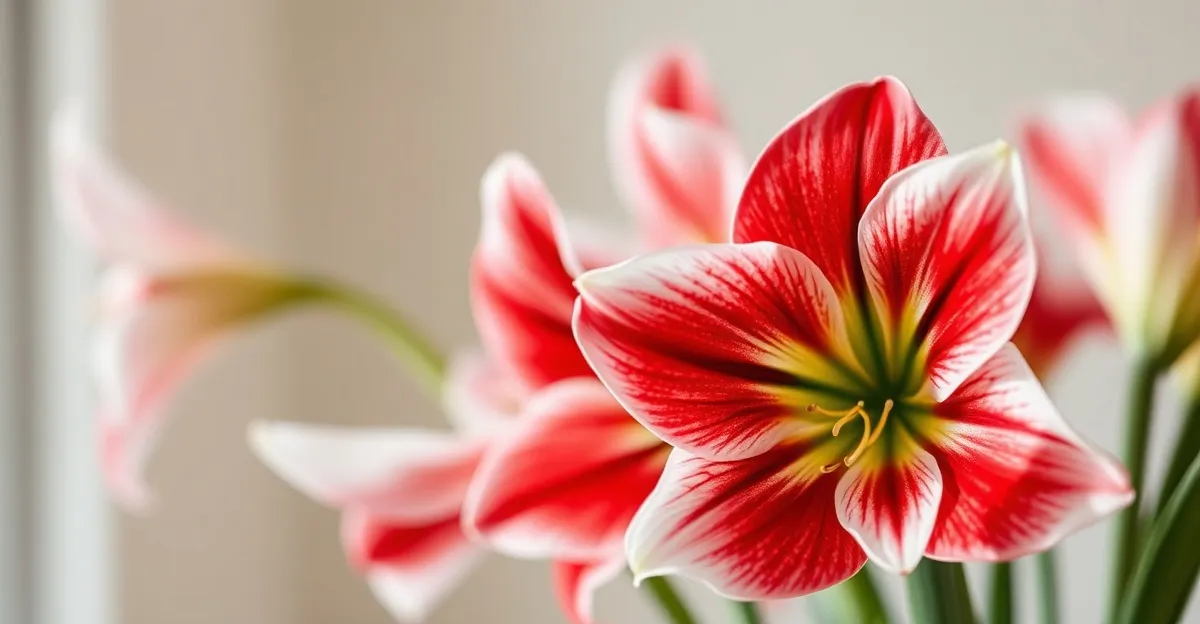
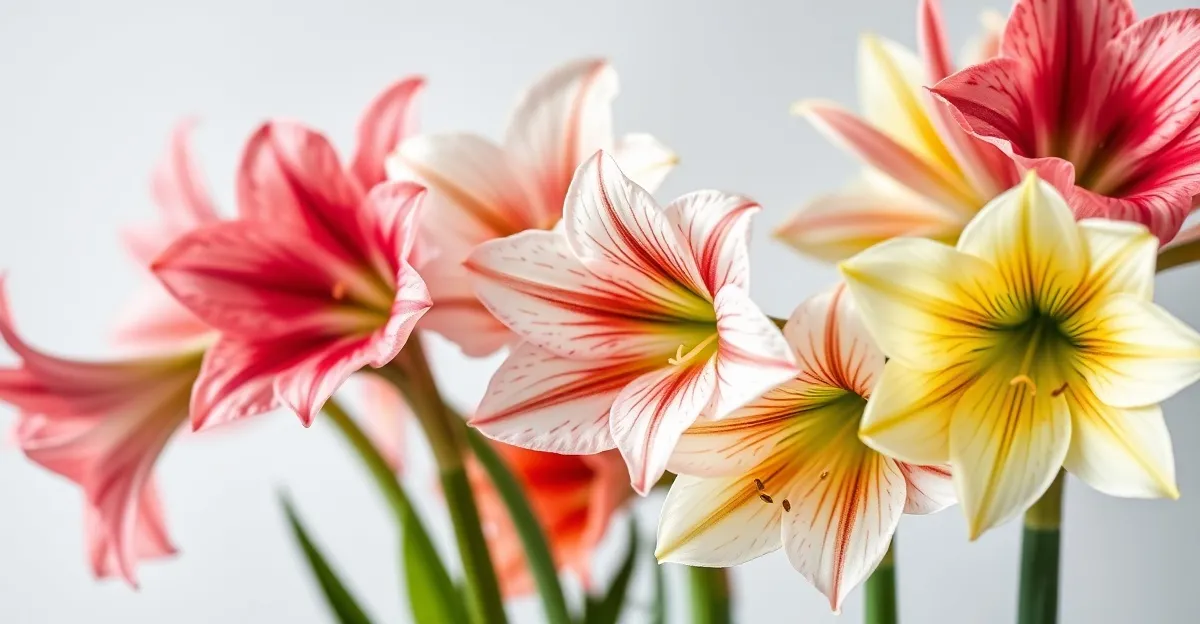
White amaryllis is the most universally appropriate colour for ceremonial contexts in Bali, given white's association with purity and the divine. Red amaryllis, while beautiful, carries celebratory rather than ceremonial energy. For weddings, the couple's colour palette determines the choice.
Where can I find information about Balinese ceremonial calendar dates?
The Balinese Pawukon calendar is a 210-day cycle with numerous significant ceremony days. Local Balinese communities maintain their own calendars, and there are online resources that track major ceremonial dates. If you're planning an event in Bali around significant ceremonial dates, consult in advance to understand how local observances might affect your plans.
Flowers That Honour Every Occasion
Whether you're celebrating a Balinese ceremony, a destination wedding, or simply the joy of living beautifully in Bali, heyflower.co has the flowers for the moment. Our subscription service brings fresh, beautifully arranged blooms to your Bali address week after week — because every day on this island is worth celebrating with flowers.
More on Amaryllis